

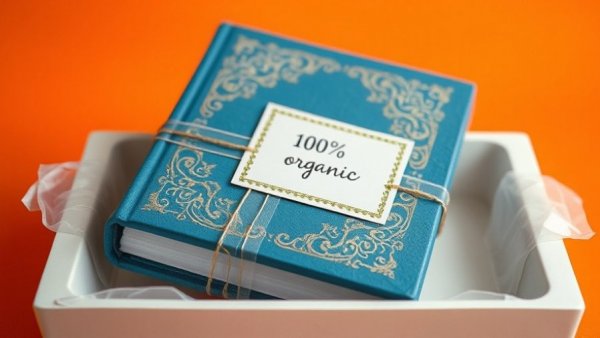
What Is Organic Literature?
In an era where artificial intelligence produces countless written works daily, the term "organic literature" is gaining traction. This new categorization serves a vital purpose: helping readers distinguish between human-authored books and those generated by AI. With a stamp of approval, readers can feel confident that the stories they explore come from real people, with emotions and unique perspectives, rather than algorithms.
The Rise of AI in Writing
AI writing tools like ChatGPT and others are becoming increasingly sophisticated, capable of creating essays, novels, and even poetry that some readers find compelling. However, while these tools can produce content quickly, they lack the essential human touch—insight, emotion, and the ability to spark true connection. This has led to questions about quality and authenticity in literature.
Why Does It Matter?
Understanding the distinction between organic literature and AI-generated content matters for several reasons. For many readers, books are more than mere words on a page; they are reflections of the human experience. This new labeling system aims to reassert the value of authentic storytelling and encourages individuals to seek out works with genuine heart and insight.
Ethical Implications of AI in Literature
As technology increasingly influences various sectors, the ethical implications of AI in literature pose significant challenges. Unlike human authors who draw from personal experiences, AI relies on pre-existing data. This can lead to issues of originality and creativity while risking a homogenization of literature. By prioritizing organic literature, we highlight the importance of authors who can impart individual experiences that AI simply cannot replicate.
Future Trends: Where Is Literature Headed?
As AI technology continues to evolve, it's imperative to consider the future landscape of literature. Will readers gravitate toward the human touch as experiences deepen their connections with stories? The introduction of certifications like the stamp for organic literature suggests a growing desire for authenticity in a digital world. Readers may become advocates for platforms that ensure literature remains rooted in human experiences, leading to a resurgence of niche and independent authors.
Which Steps Can Readers Take?
For readers looking to navigate this evolving landscape, awareness is the first step. Here are a few actions to consider:
- Seek Certified Reads: Look for the organic literature stamp when browsing for new books.
- Support Local Authors: Choosing to buy from local authors can foster creativity and provide unique perspectives.
- Engage with Community: Join book clubs or online discussions focusing on ethical literature to explore diverse voices.
Conclusion: The Human Connection Matters
As we stand at the intersection of technology and literature, the introduction of organic literature signals a desire for a more connected reading experience. The journey ahead emphasizes the value of storytelling that comes from real, lived experiences. Thus, readers are empowered to support authentic voices. In a world swirling with AI-generated content, celebrating organic literature could be the key to preserving the essence of what makes storytelling a cherished part of our lives.
Continue exploring the nuances of literature and technology. Understanding these changes is vital not just for readers, writers, but also for society as a whole. Seek out those voices that resonate and inspire change, and together, let us elevate the narrative of literature in this digital age.




Write A Comment