

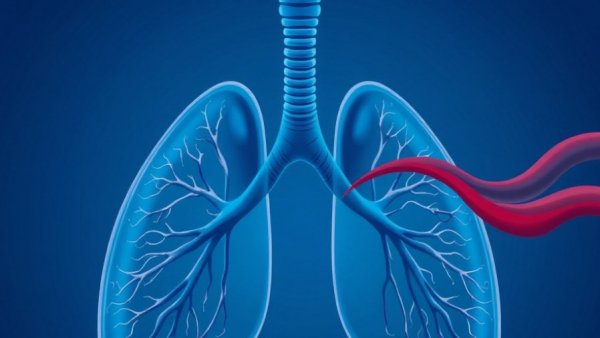
The Quantum Leap in Lung Cancer Prediction
As healthcare continuously seeks to integrate advanced technology, researchers at Florida Atlantic University (FAU) are pioneering new ways to tackle one of the deadliest diseases: lung cancer. Led by Dr. Arslan Munir, the FAU team is leveraging the untapped potential of quantum machine learning to enhance prediction accuracy, particularly when traditional data sets are limited.
Understanding Quantum Machine Learning
Quantum machine learning combines quantum computing principles with machine learning techniques, allowing for enhanced data analysis and pattern recognition. In their research, the FAU team explored the efficacy of quantum algorithms in predicting lung cancer using a dataset that initially contained only 309 records pertaining to symptoms and risk factors such as smoking history and chest pain. This exploration aims to overcome one of the most significant challenges in health datasets—insufficient training data.
From Small Data, Great Insights
The FAU study is particularly noteworthy as it augmented the original dataset with synthetic samples, effectively creating a robust pool of 540 samples for analysis. This synthesis not only balanced the classification of cancerous and non-cancerous cases but also enabled the application of statistical methods that facilitate meaningful insights even when working with limited data. This creative approach highlights the importance of innovative methodologies in the fight against cancer, where every piece of information is crucial.
Groundbreaking Results: Accuracy and Applications
The results from the FAU study were remarkable. The D-Wave quantum annealing-based support vector machine achieved an impressive accuracy of 94.31% when tested in simulation, and 91.90% on actual quantum hardware. Such high levels of precision indicate that quantum computing can significantly advance AI in healthcare, specifically in data-constrained environments. These findings suggest a future where quantum technologies can not only enhance predictive capabilities but also improve patient outcomes.
Balancing Caution with Innovation
However, the researchers emphasize that these findings are preliminary. As Dr. Munir points out, further testing on independent clinical datasets is necessary to evaluate the generalizability of these results. This calls for a cautious approach, recognizing that the medical integration of such technologies should be grounded in rigorous validation to ensure accuracy and reliability. As exciting as these advancements are, they must be approached with the responsibility that patient health requires.
Diverse Perspectives in Quantum Computing
The success of quantum methods in healthcare applications also encourages dialogue around technological accessibility and ethics. While this research offers promising predictions for lung cancer, the broader conversation must include discussions about how emerging technologies affect various demographics and the equitable dissemination of advancements in medical settings. These factors can potentially shape future regulatory frameworks as quantum computing evolves.
Future Directions: Expanding the Research Frontier
Envisioning the future, potential directions for further exploration could include the application of quantum machine learning to other areas of oncology and beyond. With its ability to analyze large datasets rapidly and accurately, quantum technology holds a promise not just for predictive analytics, but also for personalized medicine—a crucial direction as healthcare seeks tailored treatments for patients.
Actionable Insights for Further Exploration
This pioneering research from FAU is a striking example of how creativity and advanced technology can intersect to meet pressing healthcare challenges. For healthcare organizations, this research indicates the importance of investing in quantum computing infrastructure and training. By fostering collaboration between computer scientists and medical professionals, the path to successful real-world applications can be smoother and more effective, ultimately leading to improved patient care.







Write A Comment