
Motorcycle Lawyer Marketing

Full-Service Motorcycle Injury
Lawyer Marketing

  • Home
  • Categories
    • SEO
    • Website Design & Branding
    • Community Engagement Strategies
    • Rally & Event Marketing Support
    • Video Marketing
    • Social Media Marketing
  • Blog Posting & Design
  • Email Marketing
June 14.2025
1 Minute Read

Rider-Centric Product Development: The Secret to Loyalty

Are you looking to create products that your riders truly love and come back to, time and again? In today’s fast-paced world of urban transit, placing your rider at the center of development isn’t just a buzzword—it’s the foundation for building unforgettable loyalty. A rider-focused approach goes beyond traditional methods, delivering unique value, creating emotional connections, and driving innovation at every turn. Ready to unlock the secret to long-term brand allegiance? Dive in to see why rider-centric product development is revolutionizing both customer satisfaction and company success.

Unlocking Loyalty Through Rider-Centric Product Development

For brands in mobility and urban transit, the key to lasting customer loyalty lies in rider-centric product development . But what does this really mean for your organization? Simply put, it’s an approach that gives riders a voice from day one—empowering them to shape features, interfaces, and services based on real needs, not guesswork. Instead of launching features based on trends or internal assumptions, companies practicing rider-centricity constantly gather insights directly from their actual user base. Imagine commuters sharing feedback on e-scooter comfort or app navigation and seeing those suggestions reflected in product updates just weeks later.

Practical examples abound: successful transit apps release beta versions to select riders for honest feedback or host focus groups at local community centers. When urban bike programs allow users to report problems instantly via their phones and deploy swift responses, confidence and connection soar. Involving the rider at every step ensures your products not only solve real-world problems but keep evolving as those needs shift. This hands-on, iterative workflow transforms users from passive customers to passionate advocates, setting your brand apart in a crowded landscape.

engaged diverse group of riders, smiling, discussing new product features, Photorealistic High Fidelity Lifelike, modern urban transit setting with public bikes or e-scooters in the background, highly detailed, people using mobile devices and giving feedback, crisp colors, natural daytime lighting, shot with a 35mm lens.

Understanding Rider-Centric Product Development: Defining the Approach

Rider-centric product development is far more than a customer-first buzzword—it’s a genuine mindset shift that centers development, design, and iteration around the lived experiences of real users. Unlike traditional top-down approaches, rider-centric development invites feedback and co-creation throughout every cycle. Teams don’t just guess what works; they get into the field, observe rider habits, and listen to pain points. This approach creates products that are both useful and delightful, reflecting authentic needs over assumptions.

The process relies on constant communication: app push surveys after rides, rider panels, or structured interviews at transit hubs. Teams analyze this feedback, prioritize the most critical needs, and directly tie updates to rider suggestions. In public transit, this might mean iterating on bike docking station placement based on actual rider commute patterns. Ultimately, a rider-centric approach fills the gaps traditional development leaves behind—driving continuous improvement, instant relevance, and emotional brand connection.

Why Rider-Centric Product Development Drives Loyalty More Than Traditional Methods

So why does rider-centric product development consistently outperform traditional methods when it comes to loyalty? The answer is clear: riders feel heard, seen, and valued when their voices are embedded into the process. Unlike post-launch surveys or one-size-fits-all updates, a rider-centric approach creates a partnership between user and business. This earns trust —and trust breeds loyalty.

Traditional models often launch products with little actual user input, leading to mismatched features or overlooked pain points. Riders, frustrated by missed expectations, drift away to competitors who listen. By contrast, brands that incorporate rider input during ideation and testing stages see exponential increases in repeat engagement, referrals, and positive word-of-mouth. Turning users into co-creators forges bonds that withstand bumps in the road—because riders know their opinions matter and their favorite features are there by design.

“Placing riders at the core of product development isn’t just good practice—it’s the foundation for long-lasting loyalty.”

What Sets Rider-Centric Product Development Apart

thoughtful transportation product designer, focused, analyzing rider feedback on a digital tablet, Cinematic, creative studio with whiteboards covered in rider comments and prototypes, highly detailed, active post-it notes and rider sketches, neutral tones, soft natural lighting, shot with an 85mm lens.

Integrating Feedback Loops: Harnessing Real Rider Insights for Continuous Improvement

Feedback loops are the backbone of effective rider-centric product development . Instead of relying on occasional, post-launch surveys, this approach thrives on a continuous flow of authentic rider insights. Teams establish routines to collect feedback at every key moment—a new feature rollout, a sudden weather shift affecting ridership, or spikes in service issues. By embedding quick digital surveys, rider hotlines, or in-person interviews into the user journey, organizations don’t just gather data—they develop actionable intelligence to drive real change.

Leading transit companies utilize dashboards that show rider-reported issues in real time, allowing them to prioritize fixes based on popularity and urgency. Others use feedback to tweak ride durations, add safety features, or streamline payment systems. The vital element: closing the loop. By publishing updates and acknowledging rider input (“You asked, we delivered!”), brands build credibility, triggering a cycle of engagement and improvement. This responsiveness isn’t just appreciated—riders come to expect it, deepening their attachment and enthusiasm.

Comparison of Rider-Centric vs. Traditional Product Development Approaches
Focus Area Rider-Centric Approach Traditional Approach
Customer Feedback Integral to Process Often Post-Launch
Loyalty Outcomes Stronger Retention Mixed Results

Design Thinking in Rider-Centric Product Development: Real-World Examples

Design thinking is a cornerstone of rider-centric product development. This human-focused framework uses empathy, rapid prototyping, and iterative testing to solve real rider problems. Rather than guess what riders want, development teams observe riders in action—how they unlock scooters, navigate transit apps, or resolve payment hiccups on busy commutes. These insights become the foundation for ideating solutions that address frustrations directly.

Some urban mobility startups invite riders to participate in “test rides” or co-design brainstorming workshops, turning early concepts into practical solutions. After feedback, teams build rough prototypes and encourage honest input, allowing users to highlight both benefits and pain points. A simple seat height adjustment, suggested by beta riders, could evolve into the defining feature that sets a bike program apart. With each round, rider suggestions are incorporated, products become easier and more delightful to use, and riders increasingly identify themselves as partners in the brand’s journey.

innovative public transportation scene, collaborative, diverse riders and designers testing prototypes, High Fantasy, bustling city park with test bikes and scooters, highly detailed, people interacting and sharing observations, bright, vibrant colors, golden hour sunlight, shot with a wide-angle lens.

Benefits of Rider-Centric Product Development for Brands and Consumers

  • Enhanced User Experience: Solutions shaped by real rider feedback are intuitive and need-focused, minimizing frustration and making the experience enjoyable from the start.
  • Increased Customer Satisfaction: Active listening leads to faster problem-solving and more relevant features, boosting your brand’s reputation for care and competence.
  • Long-term Loyalty: Ongoing engagement and co-creation foster strong emotional ties—riders feel an integral part of your evolution, not just another face in the crowd.
  • Innovation Driven by Real Needs: Direct insights inspire truly useful innovations, keeping your offerings fresh and your brand one step ahead of trends.

How Rider-Centric Product Development Elevates Brand Reputation

A rider-centric approach signals to the public that your brand goes above and beyond. When consumers see their voices visibly driving product evolution, trust flourishes. This trust translates into positive reviews, glowing word-of-mouth, and viral social proof. Brands that share stories of co-created features or celebrate top rider-contributors foster a unique sense of pride and connection in their communities.

The result? Media coverage and grassroots advocacy that money can’t buy. Modern riders, empowered by technology and community, rapidly amplify brands that “walk the talk” when it comes to real engagement. Companies that weave rider stories into their marketing, show transparency about product roadmaps, and highlight their responsiveness quickly move from being just another option to becoming an integral part of riders’ daily lives.

The Competitive Edge: Outpacing Rivals with Rider-Centric Product Development

In fiercely competitive markets, being rider-centric can create an almost insurmountable advantage. Rapid responsiveness to rider pain points eliminates the lag between market need and product update—a delay that can cost dearly in customer defections. By continuously iterating and broadcasting new features initiated by riders, brands undercut slower rivals frozen with legacy processes.

Moreover, a strong feedback culture tends to attract better talent; designers and developers gravitate towards companies with passionate, engaged user bases. Investors and partners see loyalty metrics and fast product cycles as a guarantee of future growth. With each improvement rooted in actual need and each feature celebrated as “rider-powered,” your brand turns continuous evolution into a signature competitive superpower.
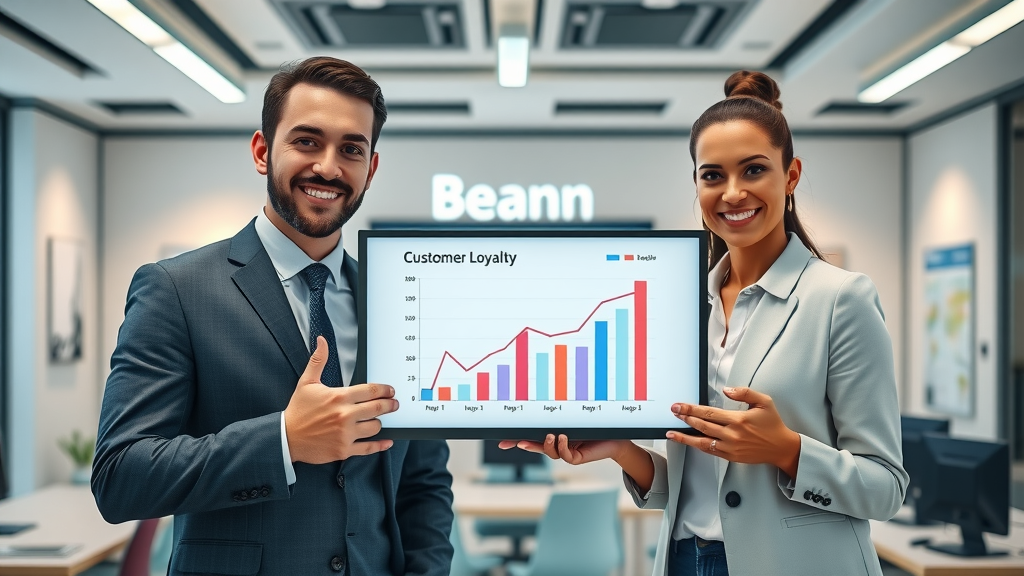
ambitious business team, confident, presenting rising customer loyalty statistics on a screen, Photorealistic High Fidelity Lifelike, sleek modern office with branding elements in the background, highly detailed, graphs showing upward trends, cool professional color palette, bright diffused lighting, shot with a 50mm lens.

Essential Steps to Implement Rider-Centric Product Development in Your Organization

  1. Collect Rider Data and Feedback: Launch surveys, host rider focus groups, and use app analytics to understand your users’ journeys and frustrations.
  2. Involve Riders in Ideation: Invite riders to design sprints, prototype sessions, or community talent competitions to generate creative, actionable ideas.
  3. Prototype and Test Solutions: Co-create low-fidelity prototypes and pilot them with actual users, actively soliciting constructive feedback.
  4. Iterate Based on Real Input: Refine features and workflows according to rider responses, releasing updates in visible, transparent cycles.
  5. Launch and Provide Ongoing Support: Once updates go live, continue to listen to, thank, and empower your rider base with open communication and robust support channels.
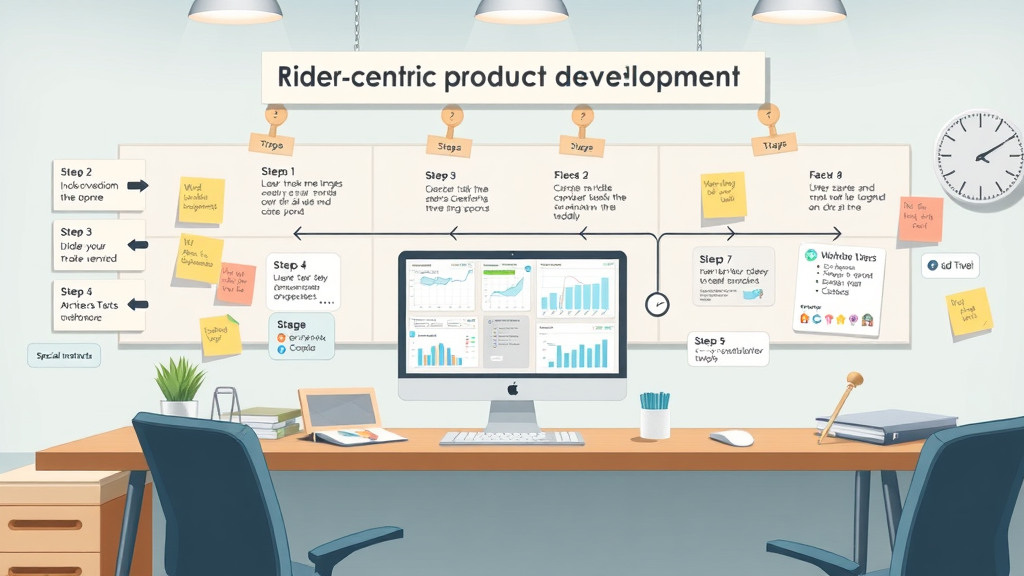
organized workflow diagram, informative, visualizing steps of rider-centric product development, 2D Cartoon, clean workspace desk with sticky notes, computer screen, and data charts, highly detailed, arrows guiding through each stage, pastel colors, even soft lighting, shot with a top-down lens.

Metrics to Measure Success in Rider-Centric Product Development

Key Metrics
Metric Description How to Track
Net Promoter Score (NPS) Measures Loyalty Post-Ride Surveys
Repeat Engagement Tracks Return Users App/Data Analytics

Frequently Asked Questions About Rider-Centric Product Development

What is rider-centric product development and why does it matter?

Rider-centric product development is an approach that prioritizes real rider experiences, input, and needs in every stage of product creation. By continuously listening to users, brands deliver better, more relevant solutions, boosting satisfaction, retention, and loyalty. This matters because engaged riders are significantly more likely to become advocates and long-term customers, driving both growth and positive brand reputation.

How can I collect meaningful rider feedback for development?

To gather valuable feedback, combine digital touchpoints—like post-ride surveys, in-app feedback buttons, and social listening—with human interactions such as focus groups and on-site interviews. Ask specific, open-ended questions and create easy ways for riders to share thoughts at every stage. It’s crucial to demonstrate that their input isn’t just heard, but acted on, which fuels ongoing engagement and trust.

Are there risks associated with rider-centric product development?

While the benefits are significant, rider-centric approaches do involve challenges such as balancing divergent opinions, managing feature creep, and ensuring privacy in data collection. However, clear communication, goal-setting, and responsible feedback management can mitigate these risks. Success comes by balancing user passion with a focused product vision and iterative planning.

Can small companies implement rider-centric methods effectively?

Absolutely. Small organizations can be even more agile and responsive to rider input than larger competitors. By starting with manageable pilot programs—like beta-testing with a core group of riders or hosting regular feedback sessions—smaller teams can incorporate feedback quickly, iterate designs, and foster rapid loyalty growth without massive budgets or infrastructure.

Summary and Actionable Insights on Rider-Centric Product Development

motivated leadership team, optimistic, discussing future plans with positive energy, Cinematic, office with window overlooking cityscape in early morning, highly detailed, team gathered around a table with documents and coffee, soft warm lighting, shot with a 24mm lens.
  • Rider-centric product development enhances loyalty by focusing on real rider needs
  • Continuous feedback and design thinking are critical for ongoing improvement
  • Both brands and riders benefit from higher satisfaction and stronger relationships

Take Action: Start integrating real rider insights into your product strategy today and transform your customer relationships into lasting loyalty.

To deepen your understanding of rider-centric product development and its impact on customer loyalty, consider exploring the following resources:

  • “Customer-Centric Product Development: Strategies and Importance” ( rondustech.com )

This article delves into the significance of placing customer needs at the forefront of product development, offering strategies to enhance satisfaction and foster long-term relationships.

  • “The Riese & Müller Rider-centric Experience (RX)” ( r-m.de )

This piece showcases how Riese & Müller integrates rider feedback into their e-bike designs, exemplifying the practical application of rider-centric development in the mobility sector.

By engaging with these resources, you’ll gain valuable insights into implementing rider-centric strategies that drive customer loyalty and business success.

Website Design & Branding

82 Views

0 Comments

Write A Comment

*
*
Please complete the captcha to submit your comment.
Related Posts All Posts
09.06.2026

Understand the Impact of UWM Holdings' Legal Troubles Before the Deadline

Update The Importance of Timely Action in Shareholder Litigation For investors of UWM Holdings Corporation, there’s a ticking clock in the realm of securities litigation. Kaplan Fox & Kilsheimer LLP has stepped up to encourage affected shareholders to reach out before the lead plaintiff deadline on October 13, 2026. This case illustrates a crucial lesson in the world of investments: knowledge is power, and timing is everything. Why You Should Care About This Class Action The class action lawsuit filed against UWM Holdings is significant because it not only encapsulates potential investor losses but also highlights the broader risks associated with corporate governance and strategic decisions. Between March 9 and August 5 of this year, UWM reported staggering financial losses following an ill-fated hedging strategy, which left investors caught off guard. Understanding how such events unfold can help investors make more informed decisions in the future. What Happened at UWM Holdings? During a recent earnings call on August 6, UWM's CEO Mathew Ishbia laid bare the company's vulnerabilities, disclosing a $603.2 million loss attributed to its derivatives strategy. Shareholders witnessed a rapid decline in stock value—34.78%, to be exact. These figures don't just reflect a company's financial state; they also echo the sentiments of uncertainty that can ripple through the stock market. It raises an important question: how well do you know the companies in which you invest? Understanding the Risks of Over-Hedging UWM's case uniquely demonstrates the dangers of over-hedging, especially in unpredictable financial climates. When Ishbia spoke of deviating from their traditional risk strategy, he highlighted a corporate misstep with far-reaching implications. It serves as a cautionary tale for investors who may overlook potential risk factors in pursuit of greater returns. Investors must understand not just the performance of their stocks but also the underlying strategies companies employ to remain competitive. Engaging with Legal Support: What You Might Not Know Many investors might not realize the importance of legal counsel in navigating these treacherous waters. Kaplan Fox is inviting investors to step forward without the pressure of becoming lead plaintiffs. This inclusion means that even those who opt not to take center stage can still benefit from any possible recovery from the lawsuit. In a landscape rife with complexities, having experienced legal professionals can turn a daunting process into a feasible path toward recovery. What This Means for Future Investors The future of UWM Holdings may appear uncertain, but for savvy investors, this situation provides a chance to reflect on critical investment strategies. When considering a company, it's essential to analyze not just numbers but the narrative behind those numbers. Ensuring that your investments align with companies that uphold transparency and stability can safeguard your portfolio against unexpected downturns. Final Thoughts: Take Action Now! Investors should heed this call to action before the lead plaintiff deadline. By reaching out to Kaplan Fox, investors can gain insights and consider their options within this legal framework. The stakes are high, and those who act swiftly may turn the tide of potential losses into recoveries. Every day counts—make your voice heard!

08.23.2026

Why Icon Offices' ACSP Registration is Transforming Identity Verification for UK Businesses

Update Icon Offices Takes a Step Towards Enhanced Corporate Services In a significant move for corporate transparency in the United Kingdom, Icon Offices has recently achieved recognition as an Authorised Corporate Service Provider (ACSP) registered with Companies House. This registration not only marks a pivotal moment for Icon Offices but also provides crucial identity verification services that align with the UK’s regulatory framework. Understanding the Role of ACSPs The approval of Icon Offices represents a crucial element in the broader context of UK corporate regulations aimed at strengthening the integrity of the company register. ACSPs are mandated to ensure compliance with Anti-Money Laundering (AML) regulations, promoting a secure environment for business operations. With the rise in corporate fraud and misuse, the introduction of ACSPs like Icon Offices has become essential in safeguarding the credibility of the UK's corporate landscape. Identity Verification: A Crucial Requirement Identity verification is a new requirement that applies to directors, People with Significant Control (PSCs), and other eligible individuals who are associated with UK companies. This is part of a push by the UK government to close loopholes that have previously allowed individuals to misuse corporate entities for illegal activities. Under this new directive, corporate service providers must ensure that proper verification is conducted, maintaining the legitimacy of the companies they support. Accessible Verification Services for Everyone Icon Offices has launched its Companies House Identity Verification Service, which is an exceptional option for both UK residents and international entrepreneurs. This service, starting at just £24.99 including VAT, aims to demystify the verification process. Given that many foreign nationals aspire to establish companies in the UK, the service adds significant value, creating a bridge for global entrepreneurs navigating the corporate landscape. Broader Implications for Businesses The introduction of ACSPs dovetails with the UK government's reform of company law, intended to enhance transparency across the board. By registering as an ACSP, Icon Offices can not only help individuals fulfill their identification requirements but also assist them in the company formation process itself. This multifaceted approach can simplify administrative bottlenecks that often hinder startups and new businesses. What This Means for Business Owners Choosing an ACSP like Icon Offices provides business owners with peace of mind, knowing their identity verification is in capable hands. The UK government underscores the importance of due diligence in selecting an ACSP, advising individuals to consider factors such as reputation, experience, and service offerings. By utilizing Icon Offices as an ACSP, business owners can focus on their core activities while ensuring compliance with regulatory standards. Looking Ahead: The Future of Corporate Services The regulatory landscape is evolving, and with it, the services offered by companies like Icon Offices. As the demands for compliance grow, there will be an increasing reliance on ACSPs to navigate these complexities. Businesses should prepare for a future where streamlined services and fully compliant operations become the standard, enabling them to thrive within the UK’s dynamic business environment. Call to Action: Engaging with Icon Offices As a business or entrepreneur seeking to establish a corporate presence in the UK, relying on an established ACSP like Icon Offices is pivotal. Their expertise provides a roadmap through identity verification and business formation processes, essential for navigating the modern corporate landscape effectively. Don’t let regulatory challenges hold you back — engage with Icon Offices today!

06.14.2025

Rider Feedback and Brand Improvement: Drive Growth Now

Did you know that brands implementing real-time customer feedback strategies grow revenue up to 25% faster than those that don’t? In the fiercely competitive world of taxi apps and urban transportation, rider feedback and brand improvement aren’t just buzzwords—they are what separates lasting success from missed opportunities. Harnessing genuine insights directly from your riders can turn good experiences into great ones, elevate customer satisfaction, and spark brand loyalty that propels lasting growth. Let’s dive into how you can transform feedback into your brand’s competitive advantage. After reading, you’ll understand: How real-time rider feedback fuels brand improvement and customer loyalty Innovative strategies for gathering actionable customer feedback The link between customer experience, satisfaction, and revenue growth Best practices borrowed from leading taxi apps The Crucial Role of Rider Feedback and Brand Improvement in the Mobility Industry In today’s rapidly evolving mobility landscape, where taxi apps compete to offer the best customer experience , the focus on rider feedback and brand improvement has never been more essential. Modern riders expect seamless, personalized, and responsive service—something only possible when companies actively listen to their users. Genuine feedback isn’t just an opportunity for incremental fixes; it unlocks transformative innovation that fuels both customer loyalty and business resilience. Brands that embrace a culture of listening drive industry leadership by turning insights into action. They don’t just wait for complaints—they proactively ask, analyze, and respond. Whether it’s implementing a better rating system for uber drivers and lyft drivers or rolling out new payment methods, real-time customer feedback enables quick adaptation. The result? Higher customer satisfaction , increased retention, and improved bottom lines. Breaking Down Customer Experience and Satisfaction The terms customer experience and customer satisfaction are often used interchangeably in blog posts, but there’s a crucial distinction. Customer experience encompasses every interaction—booking rides, payment, driver demeanor, and resolution of issues. A single negative touchpoint, such as delayed customer support or a technical bug, can significantly impact satisfaction and engagement. Positive user experience hinges on seamless functionality, clear communication, and reliable service from the first tap to the last mile. Capturing and acting upon rider feedback enables brands to identify where friction occurs and what delights or frustrates users. For instance, if riders consistently mention an app usability issue or unreliable payment methods, swift improvements can transform mediocre interactions into outstanding ones—turning pain points into opportunities for growth. In short, elevated customer satisfaction is born from a commitment to constant listening and swift action on what matters most to riders. From Rider Feedback to Action: The Path to Customer Satisfaction The journey from collecting rider feedback to realizing brand improvement begins with a culture of responsiveness. A taxi app that truly listens and adapts to user needs reaps the rewards of higher customer satisfaction . Take, for example, feedback from a rider encountering an unresponsive app interface: prioritizing a technical fix rapidly translates into better app usability, fostering trust and enhancing the overall user experience. Beyond quick fixes, thoughtful brands act on long-term suggestions, such as new service features or enhanced customer support. Integrating this insight ensures their product stays aligned with evolving expectations. This proactive approach is not just about problem-solving—it’s about building loyalty and delivering consistent excellence. In the end, the most successful mobility companies leverage rider feedback and brand improvement to advance their services and sustain growth even in a competitive market. Feedback Type Brand Improvement Action Resulting Customer Experience Fast driver response Driver training Increased satisfaction App bug report Technical fix Higher app usability Service suggestion Service addition Broadened loyalty Customer Loyalty: Why Rider Feedback and Brand Improvement Shape Retention Building a base of loyal customers in the urban transportation sector is more than clever marketing; it’s the result of rider feedback and brand improvement working hand-in-hand. Repeatedly, customers who feel heard and valued by their favorite taxi app demonstrate higher retention and are far less likely to switch providers. Loyalty is about more than ride discounts—it's about consistent customer experience that meets and exceeds expectations at every step. Leading taxi apps like Uber and Lyft give drivers and riders a voice, using advanced platforms to capture, analyze, and act on feedback in real-time. As these companies personalize experiences—remembering favorite routes, payment methods, or rider preferences—they humanize the journey. This personalization, born from actionable feedback, transforms generic service into long-lasting relationships that significantly increase customer trust and brand equity. Turning Insights Into Lasting Relationships The smartest brands don’t merely fix issues—they build deeper connections through insight-driven experiences. Implementing loyalty programs based on what riders care about, or tailoring communication to individual needs, makes customers feel understood and appreciated, which boosts both engagement and frequency of use. Brands that recognize and reward loyalty not only retain riders but transform them into enthusiastic advocates. For instance, offering personalized perks based on ride frequency or user preferences demonstrates a meaningful commitment to satisfaction and engagement . By continually investing in these feedback loops, taxi apps not only increase their retention rates but also foster trust—an irreplaceable asset in any industry striving for sustainable growth. Implementing loyalty programs based on rider feedback Personalizing experiences with riders’ preferences Best Practices: Leveraging Customer Feedback to Drive Brand Improvement in Taxi Apps To stay ahead in a competitive market, taxi apps must transform raw feedback into actionable strategies. The most successful brands employ best practices that bring customer insight to life, from the initial point of contact to ongoing enhancements. This doesn’t just enhance customer support —it drives continual brand improvement and places the rider at the heart of every business decision. Whether acting on comments from a social media post or analyzing trends through sentiment analysis, industry leaders treat feedback as the starting point for innovation. The real secret lies in their agility: they test, iterate, and implement improvements before the competition. This culture of responsiveness and adaptability not only fuels higher customer satisfaction but establishes undeniable authority in the urban mobility ecosystem. Effective Channels: How to Gather Customer Feedback Gathering high-value customer feedback is both an art and a science for modern taxi apps. The most effective brands leverage a variety of touchpoints to capture rider sentiment as accurately as possible. In-app surveys, for example, integrate seamlessly into the post-ride experience and yield honest opinions in real-time. Others utilize robust rating systems that blend quantitative metrics with open-ended comments, providing actionable data as well as emotional insight. Live chat and customer support help resolve issues and foster two-way dialogue, while AI-driven tools—like automated sentiment analysis—surface emerging trends by scanning thousands of rider comments across platforms. Social media channels act as an open forum for transparent conversations and rapid response. Each method has its strengths, but together, they create a holistic, always-on feedback engine that empowers brands to react and innovate faster than ever before. In-app surveys Post-ride rating systems Live chat and customer support Social media monitoring AI-driven sentiment analysis App Usability: Turning Feedback Into Seamless Experiences One of the most tangible impacts of rider feedback and brand improvement is superior app usability . Today’s riders demand interfaces that are fast, intuitive, and glitch-free. By listening closely to real users—especially those who highlight friction points—developers can prioritize updates that directly address usability pain points, ensuring a frictionless user journey from booking to payment and support. Empowering riders to quickly share app-specific suggestions, whether via quick polls or dedicated channels, ensures that no usability issue goes unnoticed. Brands who succeed in this arena build reputations for reliability and convenience, crucial pillars for earning repeat business. In the end, prioritizing user experience through continuous improvement sets industry benchmarks and elevates standards across the sector. Real-World Examples: Success Stories of Rider Feedback and Brand Improvement The most compelling argument for prioritizing rider feedback and brand improvement comes from real-world statistics and stories. For example, an executive from a leading taxi app said: "Our loyalty rates doubled after we introduced a feedback-driven loyalty program and improved our support speed." – Executive, Leading Taxi App This approach isn’t unique; global leaders consistently attribute increased retention and customer loyalty to a fast, focused response to feedback. Analyzing rider suggestions and pain points led some apps to revamp payment options, others to launch upgraded customer support channels, and some even to offer new tiers of service. These improvements result not just in short-term wins but in stronger word-of-mouth marketing, sustained usage, and industry leadership. Brand Key Feedback Focus Measured Result AppX Payment options +25% in new riders AppY Driver etiquette Higher retention by 18% AppZ Support responsiveness Higher NPS (Net Promoter Score) See How Customer Experience Innovation Drives Growth in Taxi Apps – (Video 1) Measuring Success: Tracking the Impact of Rider Feedback and Brand Improvement Quantifying the results of rider feedback and brand improvement strategies is key to justifying investment and sustaining momentum. Leading taxi app platforms rely on dashboards tracking KPIs like customer satisfaction scores, app usability metrics, support response times, and churn rates. These metrics provide a clear picture of where feedback loops are working—and where more effort is needed. Data-driven brands set themselves apart by correlating feedback trends with business outcomes. A sudden increase in low ratings signals the need for urgent investigation, while consistently high satisfaction metrics reassure stakeholders that support and improvement efforts are paying off. By tying feedback to measurable results, brands continuously fine-tune their approach, ensuring customer trust remains at the center of strategic decisions. How Data-Driven Decision-Making Elevates Customer Support Combining big data and authentic rider feedback allows brands to make well-informed customer support enhancements. Instead of guessing at the root cause of dissatisfaction, support teams can pinpoint pain points and allocate resources where they matter most. For instance, if riders repeatedly mention confusion with a feature, targeted tutorials or proactive communication can close the gap rapidly. Ultimately, leveraging analytics doesn’t just empower faster fixes—it encourages a proactive, rather than reactive, customer service culture. Delivering a seamless experience becomes a standard expectation, not an occasional surprise, as organizations use feedback as an engine for continuous operational improvement. Overcoming Challenges: Tackling Negative Rider Feedback for Brand Improvement Avoiding negative feedback is impossible in the taxi app world, but transformational brands see complaints as a gift—a direct line to improvement. When a customer flags an issue, it’s a golden opportunity to showcase exceptional service, win the rider’s trust, and uncover systemic flaws that could affect others. This approach transforms a potential blemish on your record into a springboard for positive change and deeper loyalty. There are inevitable moments when drivers struggle or technology stumbles, but how quickly and empathetically those moments are resolved defines the brand’s story. Developing a robust response plan and empowering the customer support team to act decisively ensures every concern is seen, heard, and addressed—ultimately elevating your reputation. “Every complaint is a gift—each one is a window to level up customer experience.” – CX Thought Leader Common Missteps: What to Avoid in Managing Rider Feedback and Brand Improvement Mismanaging feedback can quickly send brands off track, risking alienation of loyal users or missing out on high-impact changes. One frequent pitfall is ignoring silent complaints —those low ratings that don’t come with comments. They represent quiet dissatisfaction, hinting at deeper issues beneath the surface. Another is relying solely on quantitative rating metrics at the expense of in-depth, qualitative observations. Slow customer support or app teams with delayed responses can create frustration, causing users to defect to competitors. Overcorrection, such as rolling out drastic changes all at once, can also unsettle loyal riders used to a particular flow. The top brands balance steady, incremental improvements with clear communication to guide their communities through every adjustment. Ignoring silent complaints—low ratings with no comments Relying only on quantitative metrics while neglecting comments Delayed response from customer support or app teams Changing too much, too fast—alienating loyal users The Future of Rider Feedback and Brand Improvement for Taxi Apps The next decade in urban mobility will be defined by how brands embrace technology to supercharge their rider feedback and brand improvement strategies. AI-driven sentiment analysis, automated support bots, smart prediction tools, and customized in-app journeys will soon become industry standards. As feedback loops become faster and more intelligent, the ability to predict rider needs and delight users will skyrocket. Brands preparing for tomorrow are already testing these technologies, using feedback to personalize not just the user interface but also the entire mobility experience. The end goal remains unchanged: seamless experience , lasting customer loyalty , and unassailable industry leadership. Embracing Technology: AI, Automation, and the Rider Experience Artificial intelligence and automation are revolutionizing how brands manage, analyze, and act on rider feedback . From chatbots that deliver instant support to advanced dashboards that aggregate vast amounts of sentiment data, these innovations empower companies to stay one step ahead of competition and user expectations. The result: faster resolutions, more relevant improvements, and a deeply engaged rider base. As these tools mature, the potential for hyper-personalized experiences—tailored ride suggestions, adaptive loyalty perks, and predictive support—will only increase, cementing the role of dynamic feedback as the heartbeat of brand improvement in the future of urban transportation. People Also Ask: Insights on Rider Feedback and Brand Improvement How does rider feedback influence brand improvement in taxi apps? Rider feedback provides direct, actionable insights into what users appreciate and where pain points exist within taxi apps. By analyzing this feedback, brands identify necessary improvements in services, support, and technology. Proactively acting on feedback leads to continuous enhancements, which foster customer trust, satisfaction, and industry leadership. What are the best ways taxi apps can collect rider feedback efficiently? Taxi apps can collect feedback efficiently by integrating in-app surveys, utilizing post-ride rating systems, and offering live chat support. Monitoring social media channels and leveraging AI-driven sentiment analysis also ensures that brands capture a comprehensive view of user sentiment across touchpoints. These approaches create a complete feedback loop that is both timely and actionable. Why is customer loyalty important for brand growth in mobility? Customer loyalty is the foundation of sustainable growth in mobility. Loyal riders are less likely to switch providers, more engaged with new features, and active in spreading positive word-of-mouth about the brand. This not only boosts retention and repeat business but also protects the brand against market fluctuations and competitive pressure. Frequently Asked Questions on Rider Feedback and Brand Improvement What steps can taxi apps take to act quickly on negative feedback? Taxi apps should acknowledge all negative feedback promptly, empower support teams to resolve issues in real time, and communicate transparently about corrective actions. Establishing an efficient ticketing and escalation process ensures users feel heard and valued throughout. How can rider feedback be used to enhance app usability and functionality? Feedback pinpoints specific pain points, such as confusing navigation or persistent bugs. By tracking these concerns systematically, brands can prioritize bug fixes and usability improvements that yield the greatest impact on rider satisfaction and long-term engagement. Is customer support most effective when automated or personalized? The best customer support blends automation for speed and efficiency with personalized responses for complex or emotional issues. Automation handles common queries instantly, while human support is essential for empathy, creative problem-solving, and building lasting customer loyalty. Key Takeaways on Rider Feedback and Brand Improvement Rider feedback drives continual brand improvement, impacting customer satisfaction, loyalty, and revenue. Proactive customer support and app usability upgrades based on honest feedback set leading brands apart. Embracing new technologies enhances the feedback cycle for better customer experience and business resilience. Strengthen Your Brand—Start Listening to Your Riders Today Focus on genuine rider feedback and brand improvement today—invest in smarter tools, empower your teams, and build systems to act on every insight. It’s your route to building an unshakeable brand, market dominance, and unparalleled customer loyalty in the world of taxi apps. To further explore the significance of rider feedback and brand improvement in the mobility industry, consider the following resources: “What Riders Want: Insights from Customer Feedback on Taxi Apps” ( appicial.com ) This article delves into key aspects such as affordability, transparency, and safety, highlighting how rider feedback shapes service enhancements in taxi applications. “How Can Customer Feedback Drive Business Growth and Improvement?” ( b2bdaily.com ) This piece discusses strategies for collecting and acting on customer feedback to foster business growth, emphasizing the importance of engaging with customers on social media and expanding product offerings based on their input. By integrating these insights, you can develop a comprehensive approach to leveraging rider feedback for brand improvement and sustained growth.

We believe great marketing starts with trust — especially in the motorcycle world.

At SeamanDan LLC, we specialize in helping motorcycle personal injury law firms build brands that resonate with riders and drive high-value case leads.

We know that the motorcycle community is different. Riders don’t trust just any lawyer — and they certainly don’t trust spammy ads or stock-photo websites. They trust those who understand their world and respect their values: loyalty, authenticity, and community.

That’s where we come in. Our team brings together:

.  Deep expertise in digital marketing for personal injury law firms
.  A rider-first perspective on branding and community engagement
.  Proven experience helping motorcycle-focused law firms dominate local search and grow sustainably.

Whether you’re sponsoring rallies, building connections with local clubs, or simply want your digital presence to match your commitment to riders, we help you create a marketing engine that reflects who you are — and earns the trust of the community you serve.

We don’t do generic legal marketing. We help motorcycle lawyers ride ahead of the pack — with marketing that actually works.

Ready to take your practice to the next level?
Let’s talk.

© 2026 SeamanDan LLC All Rights Reserved. 810 N Main St #187, Spearfish, SD 57783 . Contact Us . Terms of Service . Privacy Policy

eyJjb21wYW55IjoiU2VhbWFuRGFuIExMQyIsImFkZHJlc3MiOiI4MTAgTiBNYWluIFN0ICMxODciLCJjaXR5IjoiIFNwZWFyZmlzaCIsInN0YXRlIjoiU0QiLCJ6aXAiOiI1Nzc4MyIsImVtYWlsIjoic2VhbWFuZGFuQHNlYW1hbmRhbi5jb20iLCJ0b3MiOiJQSEErUEhOMGNtOXVaejQ4WlcwK1YyaGxiaUI1YjNVZ2MybG5iaTFwYmlCM2FYUm9JSFZ6TENCNWIzVWdZWEpsSUdkcGRtbHVaeVp1WW5Od095QjViM1Z5SUhCbGNtMXBjM05wYjI0Z1lXNWtJR052Ym5ObGJuUWdkRzhnYzJWdVpDQjViM1VnWlcxaGFXd2dZVzVrTDI5eUlGTk5VeUIwWlhoMElHMWxjM05oWjJWekxpQkNlU0JqYUdWamEybHVaeUIwYUdVZ1ZHVnliWE1nWVc1a0lFTnZibVJwZEdsdmJuTWdZbTk0SUdGdVpDQmllU0J6YVdkdWFXNW5JR2x1SUhsdmRTQmhkWFJ2YldGMGFXTmhiR3g1SUdOdmJtWnBjbTBnZEdoaGRDQjViM1VnWVdOalpYQjBJR0ZzYkNCMFpYSnRjeUJwYmlCMGFHbHpJR0ZuY21WbGJXVnVkQzQ4TDJWdFBqd3ZjM1J5YjI1blBqd3ZjRDRLQ2p4d1BtaDBkSEJ6T2k4dlptTnRieTV6WldGdFlXNWtZVzR1WTI5dEwySnBhMlZ5YkdGM1BDOXdQZ29LUEhBK0ptNWljM0E3UEM5d1Bnb0tQSEErUEhOMGNtOXVaejVUUlZKV1NVTkZQQzl6ZEhKdmJtYytQQzl3UGdvS1BIQStWMlVnY0hKdmRtbGtaU0JoSUhObGNuWnBZMlVnZEdoaGRDQmpkWEp5Wlc1MGJIa2dZV3hzYjNkeklIbHZkU0IwYnlCeVpXTmxhWFpsSUhKbGNYVmxjM1J6SUdadmNpQm1aV1ZrWW1GamF5d2dZMjl0Y0dGdWVTQnBibVp2Y20xaGRHbHZiaXdnY0hKdmJXOTBhVzl1WVd3Z2FXNW1iM0p0WVhScGIyNHNJR052YlhCaGJua2dZV3hsY25SekxDQmpiM1Z3YjI1ekxDQmthWE5qYjNWdWRITWdZVzVrSUc5MGFHVnlJRzV2ZEdsbWFXTmhkR2x2Ym5NZ2RHOGdlVzkxY2lCbGJXRnBiQ0JoWkdSeVpYTnpJR0Z1WkM5dmNpQmpaV3hzZFd4aGNpQndhRzl1WlNCdmNpQmtaWFpwWTJVdUlGbHZkU0IxYm1SbGNuTjBZVzVrSUdGdVpDQmhaM0psWlNCMGFHRjBJSFJvWlNCVFpYSjJhV05sSUdseklIQnliM1pwWkdWa0lDWnhkVzkwTzBGVExVbFRKbkYxYjNRN0lHRnVaQ0IwYUdGMElIZGxJR0Z6YzNWdFpTQnVieUJ5WlhOd2IyNXphV0pwYkdsMGVTQm1iM0lnZEdobElIUnBiV1ZzYVc1bGMzTXNJR1JsYkdWMGFXOXVMQ0J0YVhNdFpHVnNhWFpsY25rZ2IzSWdabUZwYkhWeVpTQjBieUJ6ZEc5eVpTQmhibmtnZFhObGNpQmpiMjF0ZFc1cFkyRjBhVzl1Y3lCdmNpQndaWEp6YjI1aGJHbDZZWFJwYjI0Z2MyVjBkR2x1WjNNdVBDOXdQZ29LUEhBK1dXOTFJR0Z5WlNCeVpYTndiMjV6YVdKc1pTQm1iM0lnYjJKMFlXbHVhVzVuSUdGalkyVnpjeUIwYnlCMGFHVWdVMlZ5ZG1salpTQmhibVFnZEdoaGRDQmhZMk5sYzNNZ2JXRjVJR2x1ZG05c2RtVWdkR2hwY21RZ2NHRnlkSGtnWm1WbGN5QW9jM1ZqYUNCaGN5QlRUVk1nZEdWNGRDQnRaWE56WVdkbGN5d2dTVzUwWlhKdVpYUWdjMlZ5ZG1salpTQndjbTkyYVdSbGNpQnZjaUJqWld4c2RXeGhjaUJoYVhKMGFXMWxJR05vWVhKblpYTXBMaUJaYjNVZ1lYSmxJSEpsYzNCdmJuTnBZbXhsSUdadmNpQjBhRzl6WlNCbVpXVnpMQ0JwYm1Oc2RXUnBibWNnZEdodmMyVWdabVZsY3lCaGMzTnZZMmxoZEdWa0lIZHBkR2dnZEdobElHUnBjM0JzWVhrZ2IzSWdaR1ZzYVhabGNua2diMllnWldGamFDQlRUVk1nZEdWNGRDQnRaWE56WVdkbElITmxiblFnZEc4Z2VXOTFJR0o1SUhWekxpQkpiaUJoWkdScGRHbHZiaXdnZVc5MUlHMTFjM1FnY0hKdmRtbGtaU0JoYm1RZ1lYSmxJSEpsYzNCdmJuTnBZbXhsSUdadmNpQmhiR3dnWlhGMWFYQnRaVzUwSUc1bFkyVnpjMkZ5ZVNCMGJ5QmhZMk5sYzNNZ2RHaGxJRk5sY25acFkyVWdZVzVrSUhKbFkyVnBkbVVnZEdobElGTk5VeUIwWlhoMElHMWxjM05oWjJWekxpQlhaU0JrYnlCdWIzUWdZMmhoY21kbElHRnVlU0JtWldWeklHWnZjaUJrWld4cGRtVnllU0J2WmlCbGJXRnBiQ0J2Y2lCVFRWTXVJRlJvYVhNZ2FYTWdZU0JtY21WbElITmxjblpwWTJVZ2NISnZkbWxrWldRZ1lua2dkWE11SUVodmQyVjJaWElzSUhCc1pXRnpaU0JqYUdWamF5QjNhWFJvSUhsdmRYSWdhVzUwWlhKdVpYUWdjMlZ5ZG1salpTQndjbTkyYVdSbGNpQmhibVFnWTJWc2JIVnNZWElnWTJGeWNtbGxjaUJtYjNJZ1lXNTVJR05vWVhKblpYTWdkR2hoZENCdFlYa2dhVzVqZFhJZ1lYTWdZU0J5WlhOMWJIUWdabkp2YlNCeVpXTmxhWFpwYm1jZ1pXMWhhV3dnWVc1a0lGTk5VeUIwWlhoMElHMWxjM05oWjJWeklIUm9ZWFFnZDJVZ1pHVnNhWFpsY2lCMWNHOXVJSGx2ZFhJZ2IzQjBMV2x1SUdGdVpDQnlaV2RwYzNSeVlYUnBiMjRnZDJsMGFDQnZkWElnWlcxaGFXd2dZVzVrSUZOTlV5QnpaWEoyYVdObGN5NGdXVzkxSUdOaGJpQmpZVzVqWld3Z1lYUWdZVzU1SUhScGJXVXVJRXAxYzNRZ2RHVjRkQ0FtY1hWdmREdFRWRTlRSm5GMWIzUTdJSFJ2SUR4b2FXZG9iR2xuYUhRZ1kyeGhjM005SW1OdmJYQmhibmxRYUc5dVpWVndaR0YwWlNJK05qQTFMVE0wTUMweE9UYzJQQzlvYVdkb2JHbG5hSFErTGlCQlpuUmxjaUI1YjNVZ2MyVnVaQ0IwYUdVZ1UwMVRJRzFsYzNOaFoyVWdKbkYxYjNRN1UxUlBVQ1p4ZFc5ME95QjBieUIxY3l3Z2QyVWdkMmxzYkNCelpXNWtJSGx2ZFNCaGJpQlRUVk1nYldWemMyRm5aU0IwYnlCamIyNW1hWEp0SUhSb1lYUWdlVzkxSUdoaGRtVWdZbVZsYmlCMWJuTjFZbk5qY21saVpXUXVJRUZtZEdWeUlIUm9hWE1zSUhsdmRTQjNhV3hzSUc1dklHeHZibWRsY2lCeVpXTmxhWFpsSUZOTlV5QnRaWE56WVdkbGN5Qm1jbTl0SUhWekxqd3ZjRDRLQ2p4d1BqeHpkSEp2Ym1jK1dVOVZVaUJTUlVkSlUxUlNRVlJKVDA0Z1QwSk1TVWRCVkVsUFRsTThMM04wY205dVp6NDhMM0ErQ2dvOGNENUpiaUJqYjI1emFXUmxjbUYwYVc5dUlHOW1JSGx2ZFhJZ2RYTmxJRzltSUhSb1pTQlRaWEoyYVdObExDQjViM1VnWVdkeVpXVWdkRzg2UEM5d1Bnb0tQRzlzUGdvSlBHeHBQbkJ5YjNacFpHVWdkSEoxWlN3Z1lXTmpkWEpoZEdVc0lHTjFjbkpsYm5RZ1lXNWtJR052YlhCc1pYUmxJR2x1Wm05eWJXRjBhVzl1SUdGaWIzVjBJSGx2ZFhKelpXeG1JR0Z6SUhCeWIyMXdkR1ZrSUdKNUlIUm9aU0JUWlhKMmFXTmxKaU16T1R0eklISmxaMmx6ZEhKaGRHbHZiaUJtYjNKdElDaHpkV05vSUdsdVptOXliV0YwYVc5dUlHSmxhVzVuSUhSb1pTQW1jWFZ2ZER0U1pXZHBjM1J5WVhScGIyNGdSR0YwWVNaeGRXOTBPeWtnWVc1a1BDOXNhVDRLQ1R4c2FUNXRZV2x1ZEdGcGJpQmhibVFnY0hKdmJYQjBiSGtnZFhCa1lYUmxJSFJvWlNCU1pXZHBjM1J5WVhScGIyNGdSR0YwWVNCMGJ5QnJaV1Z3SUdsMElIUnlkV1VzSUdGalkzVnlZWFJsTENCamRYSnlaVzUwSUdGdVpDQmpiMjF3YkdWMFpTNGdTV1lnZVc5MUlIQnliM1pwWkdVZ1lXNTVJR2x1Wm05eWJXRjBhVzl1SUhSb1lYUWdhWE1nZFc1MGNuVmxMQ0JwYm1GalkzVnlZWFJsTENCdWIzUWdZM1Z5Y21WdWRDQnZjaUJwYm1OdmJYQnNaWFJsTENCdmNpQjNaU0JvWVhabElISmxZWE52Ym1GaWJHVWdaM0p2ZFc1a2N5QjBieUJ6ZFhOd1pXTjBJSFJvWVhRZ2MzVmphQ0JwYm1admNtMWhkR2x2YmlCcGN5QjFiblJ5ZFdVc0lHbHVZV05qZFhKaGRHVXNJRzV2ZENCamRYSnlaVzUwSUc5eUlHbHVZMjl0Y0d4bGRHVXNJSGRsSUdoaGRtVWdkR2hsSUhKcFoyaDBJSFJ2SUhOMWMzQmxibVFnYjNJZ1BITjBjbTl1Wno0OGMzQmhiaUJ6ZEhsc1pUMGlZMjlzYjNJNkkwWkdNREF3TURzaVBuUmxjbTFwYm1GMFpTQjViM1Z5SUdGalkyOTFiblF2Y0hKdlptbHNaU0JoYm1RZ2NtVm1kWE5sSUdGdWVTQmhibVFnWVd4c0lHTjFjbkpsYm5RZ2IzSWdablYwZFhKbElIVnpaU0J2WmlCMGFHVWdVMlZ5ZG1salpTQW9iM0lnWVc1NUlIQnZjblJwYjI0Z2RHaGxjbVZ2WmlrdVBDOXpjR0Z1UGp3dmMzUnliMjVuUGp3dmJHaytDand2YjJ3K0NnbzhjRDRtYm1KemNEczhMM0ErQ2p4b2FXZG9iR2xuYUhRZ1kyeGhjM005SW1OdmJYQmhibmxPWVcxbFZYQmtZWFJsSWo1VFpXRnRZVzVFWVc0Z1RFeERQQzlvYVdkb2JHbG5hSFErUEdKeUlDOCtDanhvYVdkb2JHbG5hSFFnWTJ4aGMzTTlJbU52YlhCaGJubEJaR1J5WlhOelZYQmtZWFJsSWo0NE1UQWdUaUJOWVdsdUlGTjBJQ014T0Rjc0lGTndaV0Z5Wm1semFDd2dVMFFnTlRjM09ETThMMmhwWjJoc2FXZG9kRDQ4WW5JZ0x6NEtQR2hwWjJoc2FXZG9kQ0JqYkdGemN6MGlZMjl0Y0dGdWVWQm9iMjVsVlhCa1lYUmxJajQyTURVdE16UXdMVEU1TnpZOEwyaHBaMmhzYVdkb2RENDhZbklnTHo0S1BHaHBaMmhzYVdkb2RDQmpiR0Z6Y3owaVkyOXRjR0Z1ZVVWdFlXbHNWWEJrWVhSbElqNXpaV0Z0WVc1a1lXNUFjMlZoYldGdVpHRnVMbU52YlR3dmFHbG5hR3hwWjJoMFBnPT0iLCJwcml2YWN5IjoiUEhBK1BITjBjbTl1Wno1UVVrbFdRVU5aUEM5emRISnZibWMrUEM5d1Bnb0tQSEErUEhOMGNtOXVaejVVYUdVZ2FXNW1iM0p0WVhScGIyNGdjSEp2ZG1sa1pXUWdaSFZ5YVc1bklIUm9hWE1nY21WbmFYTjBjbUYwYVc5dUlHbHpJR3RsY0hRZ2NISnBkbUYwWlNCaGJtUWdZMjl1Wm1sa1pXNTBhV0ZzTENCaGJtUWdkMmxzYkNCdVpYWmxjaUJpWlNCa2FYTjBjbWxpZFhSbFpDd2dZMjl3YVdWa0xDQnpiMnhrTENCMGNtRmtaV1FnYjNJZ2NHOXpkR1ZrSUdsdUlHRnVlU0IzWVhrc0lITm9ZWEJsSUc5eUlHWnZjbTB1SUZSb2FYTWdhWE1nYjNWeUlHZDFZWEpoYm5SbFpTNDhMM04wY205dVp6NDhMM0ErQ2dvOGNENDhjM1J5YjI1blBrbE9SRVZOVGtsVVdUd3ZjM1J5YjI1blBqd3ZjRDRLQ2p4d1BqeGxiVDVaYjNVZ1lXZHlaV1VnZEc4Z2FXNWtaVzF1YVdaNUlHRnVaQ0JvYjJ4a0lIVnpMQzRnWVc1a0lHbDBjeUJ6ZFdKemFXUnBZWEpwWlhNc0lHRm1abWxzYVdGMFpYTXNJRzltWm1salpYSnpMQ0JoWjJWdWRITXNJR052TFdKeVlXNWtaWEp6SUc5eUlHOTBhR1Z5SUhCaGNuUnVaWEp6TENCaGJtUWdaVzF3Ykc5NVpXVnpMQ0JvWVhKdGJHVnpjeUJtY205dElHRnVlU0JqYkdGcGJTQnZjaUJrWlcxaGJtUXNJR2x1WTJ4MVpHbHVaeUJ5WldGemIyNWhZbXhsSUdGMGRHOXlibVY1Y3lZak16azdJR1psWlhNc0lHMWhaR1VnWW5rZ1lXNTVJSFJvYVhKa0lIQmhjblI1SUdSMVpTQjBieUJ2Y2lCaGNtbHphVzVuSUc5MWRDQnZaaUJEYjI1MFpXNTBJSGx2ZFNCeVpXTmxhWFpsTENCemRXSnRhWFFzSUhKbGNHeDVMQ0J3YjNOMExDQjBjbUZ1YzIxcGRDQnZjaUJ0WVd0bElHRjJZV2xzWVdKc1pTQjBhSEp2ZFdkb0lIUm9aU0JUWlhKMmFXTmxMQ0I1YjNWeUlIVnpaU0J2WmlCMGFHVWdVMlZ5ZG1salpTd2dlVzkxY2lCamIyNXVaV04wYVc5dUlIUnZJSFJvWlNCVFpYSjJhV05sTENCNWIzVnlJSFpwYjJ4aGRHbHZiaUJ2WmlCMGFHVWdWRTlUTENCdmNpQjViM1Z5SUhacGIyeGhkR2x2YmlCdlppQmhibmtnY21sbmFIUnpJRzltSUdGdWIzUm9aWEl1UEM5bGJUNDhMM0ErQ2dvOGNENDhjM1J5YjI1blBrUkpVME5NUVVsTlJWSWdUMFlnVjBGU1VrRk9WRWxGVXp3dmMzUnliMjVuUGp3dmNENEtDanh3UGp4emRISnZibWMrV1U5VklFVllVRkpGVTFOTVdTQlZUa1JGVWxOVVFVNUVJRUZPUkNCQlIxSkZSU0JVU0VGVU9qd3ZjM1J5YjI1blBqd3ZjRDRLQ2p4dmJENEtDVHhzYVQ1WlQxVlNJRlZUUlNCUFJpQlVTRVVnVTBWU1ZrbERSU0JKVXlCQlZDQlpUMVZTSUZOUFRFVWdVa2xUU3k0Z1ZFaEZJRk5GVWxaSlEwVWdTVk1nVUZKUFZrbEVSVVFnVDA0Z1FVNGdKbkYxYjNRN1FWTWdTVk1tY1hWdmREc2dRVTVFSUNaeGRXOTBPMEZUSUVGV1FVbE1RVUpNUlNaeGRXOTBPeUJDUVZOSlV5NGdMQzRnUVU1RUlGVlRMQ0JKVkNZak16azdVeUJEVlZOVVQwMUZVbE1zSUVWWVVGSkZVMU5NV1NCRVNWTkRURUZKVFZNZ1FVeE1JRmRCVWxKQlRsUkpSVk1nVDBZZ1FVNVpJRXRKVGtRc0lGZElSVlJJUlZJZ1JWaFFVa1ZUVXlCUFVpQkpUVkJNU1VWRUxDQkpUa05NVlVSSlRrY3NJRUpWVkNCT1QxUWdURWxOU1ZSRlJDQlVUeUJVU0VVZ1NVMVFURWxGUkNCWFFWSlNRVTVVU1VWVElFOUdJRTFGVWtOSVFVNVVRVUpKVEVsVVdTd2dSa2xVVGtWVFV5QkdUMUlnUVNCUVFWSlVTVU5WVEVGU0lGQlZVbEJQVTBVZ1FVNUVJRTVQVGkxSlRrWlNTVTVIUlUxRlRsUXVQQzlzYVQ0S0NUeHNhVDVOUVV0RlV5Qk9UeUJYUVZKU1FVNVVXU0JVU0VGVUlDaHBLU0JVU0VVZ1UwVlNWa2xEUlNCWFNVeE1JRTFGUlZRZ1dVOVZVaUJTUlZGVlNWSkZUVVZPVkZNc0lDaHBhU2tnVkVoRklGTkZVbFpKUTBVZ1YwbE1UQ0JDUlNCVlRrbE9WRVZTVWxWUVZFVkVMQ0JVU1UxRlRGa3NJRk5GUTFWU1JTd2dUMUlnUlZKU1QxSXRSbEpGUlN3Z0tHbHBhU2tnVkVoRklGSkZVMVZNVkZNZ1ZFaEJWQ0JOUVZrZ1FrVWdUMEpVUVVsT1JVUWdSbEpQVFNCVVNFVWdWVk5GSUU5R0lGUklSU0JUUlZKV1NVTkZJRmRKVEV3Z1FrVWdRVU5EVlZKQlZFVWdUMUlnVWtWTVNVRkNURVVzSUVGT1JDQW9hWFlwSUVGT1dTQkZVbEpQVWxNZ1NVNGdWRWhGSUZOUFJsUlhRVkpGSUZkSlRFd2dRa1VnUTA5U1VrVkRWRVZFTGp3dmJHaytDZ2s4YkdrK1FVNVpJRTFCVkVWU1NVRk1JRVJQVjA1TVQwRkVSVVFnVDFJZ1QxUklSVkpYU1ZORklFOUNWRUZKVGtWRUlGUklVazlWUjBnZ1ZFaEZJRlZUUlNCUFJpQlVTRVVnVTBWU1ZrbERSU0JKVXlCRVQwNUZJRUZVSUZsUFZWSWdUMWRPSUVSSlUwTlNSVlJKVDA0Z1FVNUVJRkpKVTBzZ1FVNUVJRlJJUVZRZ1dVOVZJRmRKVEV3Z1FrVWdVMDlNUlV4WklGSkZVMUJQVGxOSlFreEZJRVpQVWlCQlRsa2dSRUZOUVVkRklGUlBJRmxQVlZJZ1EwOU5VRlZVUlZJZ1UxbFRWRVZOSUU5U0lFeFBVMU1nVDBZZ1JFRlVRU0JVU0VGVUlGSkZVMVZNVkZNZ1JsSlBUU0JVU0VVZ1JFOVhUa3hQUVVRZ1QwWWdRVTVaSUZOVlEwZ2dUVUZVUlZKSlFVd3VQQzlzYVQ0S0NUeHNhVDVPVHlCQlJGWkpRMFVnVDFJZ1NVNUdUMUpOUVZSSlQwNHNJRmRJUlZSSVJWSWdUMUpCVENCUFVpQlhVa2xVVkVWT0xDQlBRbFJCU1U1RlJDQkNXU0JaVDFVZ1JsSlBUU0JQVWlCVVNGSlBWVWRJSUU5U0lFWlNUMDBnVkVoRklGTkZVbFpKUTBVZ1UwaEJURXdnUTFKRlFWUkZJRUZPV1NCWFFWSlNRVTVVV1NCT1QxUWdSVmhRVWtWVFUweFpJRk5VUVZSRlJDQkpUaUJVU0VVZ1ZFOVRMand2YkdrK0Nqd3ZiMncrQ2dvOGNENDhjM1J5YjI1blBreEpUVWxVUVZSSlQwNGdUMFlnVEVsQlFrbE1TVlJaUEM5emRISnZibWMrUEM5d1Bnb0tQSEErV1U5VklFVllVRkpGVTFOTVdTQlZUa1JGVWxOVVFVNUVJRUZPUkNCQlIxSkZSU0JVU0VGVUlFRk9SQ0JUU0VGTVRDQk9UMVFnUWtVZ1RFbEJRa3hGSUVaUFVpQkJUbGtnUkVsU1JVTlVMQ0JKVGtSSlVrVkRWQ3dnU1U1RFNVUkZUbFJCVEN3Z1UxQkZRMGxCVEN3Z1EwOU9VMFZSVlVWT1ZFbEJUQ0JQVWlCRldFVk5VRXhCVWxrZ1JFRk5RVWRGVXl3Z1NVNURURlZFU1U1SElFSlZWQ0JPVDFRZ1RFbE5TVlJGUkNCVVR5d2dSRUZOUVVkRlV5QkdUMUlnVEU5VFV5QlBSaUJRVWs5R1NWUlRMQ0JIVDA5RVYwbE1UQ3dnVlZORkxDQkVRVlJCSUU5U0lFOVVTRVZTSUVsT1ZFRk9SMGxDVEVVZ1RFOVRVMFZUSUNoRlZrVk9JRWxHSUVoQlV5QkNSVVZPSUVGRVZrbFRSVVFnVDBZZ1ZFaEZJRkJQVTFOSlFrbE1TVlJaSUU5R0lGTlZRMGdnUkVGTlFVZEZVeWtzSUZKRlUxVk1WRWxPUnlCR1VrOU5Pand2Y0Q0S0NqeHZiRDRLQ1R4c2FUNVVTRVVnVlZORklFOVNJRlJJUlNCSlRrRkNTVXhKVkZrZ1ZFOGdWVk5GSUZSSVJTQlRSVkpXU1VORk96d3ZiR2srQ2drOGJHaytWRWhGSUVOUFUxUWdUMFlnVUZKUFExVlNSVTFGVGxRZ1QwWWdVMVZDVTFSSlZGVlVSU0JIVDA5RVV5QkJUa1FnVTBWU1ZrbERSVk1nVWtWVFZVeFVTVTVISUVaU1QwMGdRVTVaSUVkUFQwUlRMQ0JFUVZSQkxDQkpUa1pQVWsxQlZFbFBUaUJQVWlCVFJWSldTVU5GVXlCUVZWSkRTRUZUUlVRZ1QxSWdUMEpVUVVsT1JVUWdUMUlnVFVWVFUwRkhSVk1nVWtWRFJVbFdSVVFnVDFJZ1ZGSkJUbE5CUTFSSlQwNVRJRVZPVkVWU1JVUWdTVTVVVHlCVVNGSlBWVWRJSUU5U0lFWlNUMDBnVkVoRklGTkZVbFpKUTBVN1BDOXNhVDRLQ1R4c2FUNVZUa0ZWVkVoUFVrbGFSVVFnUVVORFJWTlRJRlJQSUU5U0lFRk1WRVZTUVZSSlQwNGdUMFlnV1U5VlVpQlVVa0ZPVTAxSlUxTkpUMDVUSUU5U0lFUkJWRUU3UEM5c2FUNEtDVHhzYVQ1VFZFRlVSVTFGVGxSVElFOVNJRU5QVGtSVlExUWdUMFlnUVU1WklGUklTVkpFSUZCQlVsUlpJRTlPSUZSSVJTQlRSVkpXU1VORk95QlBVand2YkdrK0NnazhiR2srUVU1WklFOVVTRVZTSUUxQlZGUkZVaUJTUlV4QlZFbE9SeUJVVHlCVVNFVWdVMFZTVmtsRFJTNDhMMnhwUGdvOEwyOXNQZ29LUEhBK1BIVStRbmtnY21WbmFYTjBaWEpwYm1jZ1lXNWtJSE4xWW5OamNtbGlhVzVuSUhSdklHOTFjaUJsYldGcGJDQmhibVFnVTAxVElITmxjblpwWTJVc0lHSjVJRzl3ZEMxcGJpd2diMjVzYVc1bElISmxaMmx6ZEhKaGRHbHZiaUJ2Y2lCaWVTQm1hV3hzYVc1bklHOTFkQ0JoSUdOaGNtUXNJQ1p4ZFc5ME8zbHZkU0JoWjNKbFpTQjBieUIwYUdWelpTQlVSVkpOVXlCUFJpQlRSVkpXU1VORkpuRjFiM1E3SUdGdVpDQjViM1VnWVdOcmJtOTNiR1ZrWjJVZ1lXNWtJSFZ1WkdWeWMzUmhibVFnZEdobElHRmliM1psSUhSbGNtMXpJRzltSUhObGNuWnBZMlVnYjNWMGJHbHVaV1FnWVc1a0lHUmxkR0ZwYkdWa0lHWnZjaUI1YjNVZ2RHOWtZWGt1UEM5MVBqd3ZjRDRLQ2p4d1BpWnVZbk53T3p3dmNENEtQR2hwWjJoc2FXZG9kQ0JqYkdGemN6MGlZMjl0Y0dGdWVVNWhiV1ZWY0dSaGRHVWlQbE5sWVcxaGJrUmhiaUJNVEVNOEwyaHBaMmhzYVdkb2RENDhZbklnTHo0S1BHaHBaMmhzYVdkb2RDQmpiR0Z6Y3owaVkyOXRjR0Z1ZVVGa1pISmxjM05WY0dSaGRHVWlQamd4TUNCT0lFMWhhVzRnVTNRZ0l6RTROeXdnVTNCbFlYSm1hWE5vTENCVFJDQTFOemM0TXp3dmFHbG5hR3hwWjJoMFBqeGljaUF2UGdvOGFHbG5hR3hwWjJoMElHTnNZWE56UFNKamIyMXdZVzU1VUdodmJtVlZjR1JoZEdVaVBqWXdOUzB6TkRBdE1UazNOand2YUdsbmFHeHBaMmgwUGp4aWNpQXZQZ284YUdsbmFHeHBaMmgwSUdOc1lYTnpQU0pqYjIxd1lXNTVSVzFoYVd4VmNHUmhkR1VpUG5ObFlXMWhibVJoYmtCelpXRnRZVzVrWVc0dVkyOXRQQzlvYVdkb2JHbG5hSFErIn0=

Terms of Service

Privacy Policy

Core Modal Title

Sorry, no results found

You Might Find These Articles Interesting

T
Please Check Your Email
We Will Be Following Up Shortly
*
*
*