Motorcycle Lawyer Marketing

Full-Service Motorcycle Injury
Lawyer Marketing

  • Home
  • Categories
    • SEO
    • Website Design & Branding
    • Community Engagement Strategies
    • Rally & Event Marketing Support
    • Video Marketing
    • Social Media Marketing
  • Blog Posting & Design
  • Email Marketing
June 14.2025
1 Minute Read

Motorcycle Safety Courses: Boost Skills to Avoid Crashes

Would you trust your life to luck or would you rather stack the odds in your favor? Motorcycle safety courses give you the training and confidence needed to navigate real-world roads, avoid common hazards, and ride smart. If you want to feel the thrill of riding without unnecessary risk, this guide will show you how enrolling in a high-quality motorcycle safety course can make all the difference.

motorcycle safety courses group riding practice in urban training lot, riders performing maneuvers with safety gear in daylight

Why Motorcycle Safety Courses are Crucial for Every Rider

No matter your experience, motorcycle safety courses are a foundation for anyone who wants to ride confidently and responsibly. The thrill of the open road comes with serious risks—motorcyclists are far more vulnerable in crashes than car drivers. Formal training is proven to reduce these risks by teaching both new and seasoned riders advanced skills, hazard recognition, and disciplined riding habits. Courses are designed to make safety second nature, ensuring you’re prepared for split-second decisions that can mean the difference between a close call and a devastating accident.

Beyond crash prevention, safety courses instill a state of alert awareness. You’ll learn how to spot emerging dangers, manage unpredictable drivers, and react quickly in any situation. This mindset doesn't just help you avoid accidents—it boosts your overall enjoyment and peace of mind each time you ride. Both beginner and advanced courses can reshape your approach to riding, making roads safer for you and everyone around you.

Understanding the Impact of Motorcycle Safety Courses on Accident Prevention

The value of motorcycle safety courses is most clearly seen in their measurable impact on accident rates. Studies consistently show that riders who complete certified safety programs are less likely to be involved in serious collisions. Key contributors include skilled maneuvering, heightened road awareness, and a reinforced respect for traffic laws. By engaging in hands-on instruction and real-world scenario practice, riders transform potential threats into manageable challenges, drastically lowering their risk profile.

  • Reduction of motorcycle accidents through formal training
  • Improved rider confidence and handling skills
  • Enhanced awareness of road hazards

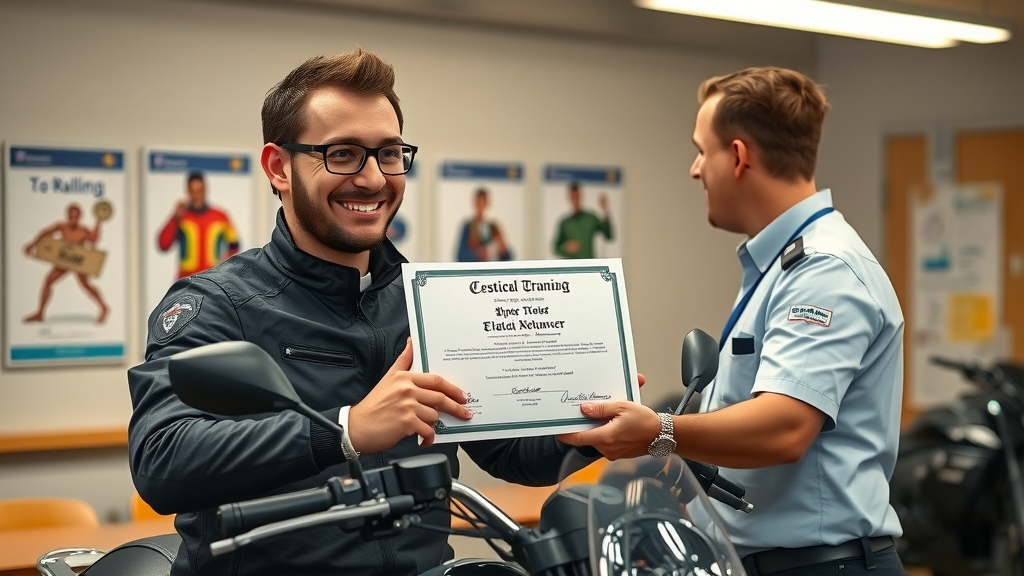
new motorcycle rider receiving safety course certificate in classroom setting, motorcycle safety courses graduate moment, high-fidelity image

What You'll Gain from Enrolling in a Motorcycle Safety Course

Enrolling in a motorcycle safety course isn’t just about earning your license. These structured classes teach you skills that last a lifetime: you’ll experience practical riding, defensive strategies, and legal knowledge all in one place. After completion, many riders say they feel empowered to handle not just everyday riding, but even unexpected situations with calm and confidence. Whether you’re a new rider or want to sharpen your technique, the benefits are instantly noticeable on the street.

Your instructors will guide you through hands-on exercises, analyze your technique, and offer personalized feedback. This attention to detail ensures that your learning sticks, building reflexes and judgment that protect you in real-world scenarios. You’ll emerge not just with more skill, but with the self-assurance to apply them—all while learning among other safety-minded riders who can become lifelong riding buddies.

  • Practical riding techniques for real-world scenarios
  • Strategies for defensive riding
  • Insight into the latest traffic laws relevant to motorcyclists

Motorcycle Safety Course Components: What to Expect

All excellent motorcycle safety courses follow a proven structure that blends theory with practice. The learning experience usually unfolds in both the classroom and on the bike, covering essential topics and building your skills step by step. Expect to transition seamlessly from understanding rules and strategies on paper to applying them dynamically in a controlled environment—not just memorizing information, but mastering actions that will keep you safe every ride.

You’ll learn how to handle your machine in various situations, from emergency stops to evasive maneuvers, with instructors demonstrating each technique before you attempt it yourself. Assessments and skill checks help you track your progress, ensuring you’re ready for the challenges of real-world roads when you graduate. Below is an overview of what these courses typically include:

Course Component Description
Classroom Instruction Covers rules, regulations, and safe riding strategies
On-Bike Training Hands-on practice in controlled environments
Defensive Riding Drills Exercises to anticipate and avoid hazards
Skill Evaluation Assessment to ensure mastery of techniques

motorcycle instructor demonstrating emergency braking to student, motorcycle safety courses hands-on instruction in city training lot

How to Choose the Right Motorcycle Safety Course for You

The abundance of motorcycle safety courses can feel overwhelming, but the right program makes all the difference. It’s vital to select a course that is certified, reputable, and matches your current skill level. State- or nationally-approved programs such as those from the Motorcycle Safety Foundation (MSF) ensure that instructors meet stringent standards and content is up-to-date. Local riding schools may offer unique or regionally-relevant experiences, but always check that their curriculum is robust and instructors are properly qualified.

Reading course reviews, asking about instructor backgrounds, and comparing curriculum outlines will guide you to a safe and effective learning experience. Don’t hesitate to contact providers directly with questions about class size, instructor-to-student ratio, or any accommodations you may need. Remember, investing in quality instruction now can pay off for every mile down the road.

Evaluating Certified Programs vs. Local Riding Schools

Certified programs, typically recognized by state transportation agencies or the MSF, are widely regarded for their standardized, research-backed content. They often integrate the latest findings on accident trends, driver errors, and common rider pitfalls, helping trainees acquire relevant habits that directly correlate to safety on the road. Conversely, some local riding schools provide a more personalized touch, with smaller class sizes and regionally focused lessons—but verification of instructor credentials and course structure is essential to ensure you’re getting reliable education.

  • Look for MSF or state-approved motorcycle safety courses
  • Check instructor credentials and course reviews
  • Consider course curriculum and level (beginner, intermediate, advanced)

Real Stories: The Life-Saving Difference of Motorcycle Safety Courses

No statistic can match the power of a real rider’s testimony. Countless motorcyclists credit their avoidance of near-misses—and even major accidents—to skills acquired during a trusted safety course. These stories reinforce the value of hands-on practice, repetition, and a shared safety culture. Hearing firsthand how specific drills, such as emergency braking or rapid swerves, have prevented disaster helps motivate every rider to seek out the same training for themselves.

"After completing a certified motorcycle safety course, I felt significantly more confident on the roads and avoided what could have been a serious collision thanks to the braking exercises I learned."
"Taking the safety course not only improved my skills but also helped me connect with a community of safe, responsible riders."

group of motorcycle safety courses graduates, happy expressions, camaraderie with motorcycles, outdoor park scene

Top Tips for Maximizing the Benefits of Motorcycle Safety Courses

Your motorcycle safety course isn’t a one-time event—it’s the start of a lifelong journey of learning and refinement. To get the most out of your experience, practice your new skills regularly in varied conditions, ensuring that good habits become second nature. Embrace a “safety-first, always-learning” mindset: reviewing your notes, staying up to date on changes in local or national traffic laws, and seeking advanced courses as your skills progress should all be part of your routine. The road is dynamic—and your training should be too.

  1. Practice consistently after the course to reinforce new skills
  2. Always use appropriate safety gear in all practice sessions
  3. Regularly review course materials to stay current

experienced motorcycle safety courses rider practicing swerve maneuver in full gear, urban backdrop

People Also Ask About Motorcycle Safety Courses

Are motorcycle safety courses required to get a motorcycle license?

Many states require completion of a certified motorcycle safety course to obtain a full motorcycle license, especially for new riders. Even in states where courses aren’t mandatory, passing a recognized training class can often allow you to skip the riding skills portion of the DMV test. Always check your local DMV or DOT website for specific licensing requirements in your area.

What skills do motorcycle safety courses teach?

Motorcycle safety courses teach a wide range of practical and theoretical skills. This includes proper mounting and dismounting, balance and control at slow speeds, cornering, emergency stops, obstacle avoidance, defensive riding strategies, and knowledge of relevant traffic laws. Advanced courses also address complex maneuvers and accident avoidance techniques.

Do motorcycle safety courses lower insurance rates?

Yes, most insurance companies offer discounts to motorcyclists who have completed a certified safety course. The skills and safe riding habits cultivated in these programs significantly lower the risk of claims, making you a more attractive (and less expensive) policyholder. Check with your insurance provider for applicable discounts and required documentation.

Can experienced riders benefit from advanced motorcycle safety courses?

Absolutely. Even seasoned riders develop habits that may put them at risk. Advanced motorcycle safety courses update your knowledge, refine your technique, and introduce you to modern defensive riding concepts and new road scenarios that may not have existed when you first learned to ride. Continued education keeps everyone safer, regardless of skill level.

Frequently Asked Questions about Motorcycle Safety Courses

  • What is the average duration of a motorcycle safety course? Most basic courses span two or three days, typically including a mix of classroom work and on-the-bike training.
  • How do I find a reputable motorcycle safety course near me? Begin your search through the Motorcycle Safety Foundation (MSF) website or your state DMV. Recommendations from local motorcycle clubs can also help you discover reliable providers.
  • Is online training as effective as in-person motorcycle safety courses? Online modules can help you learn road rules and theory, but hands-on practice with qualified instructors is vital for most skills. The best programs incorporate both elements.

motorcycle safety courses student preparing registration, at-home office setting reviewing gear checklist

Key Takeaways to Improve Your Riding Safety

  • Enrolling in motorcycle safety courses significantly reduces crash risk
  • Ongoing practice and refresher courses are crucial
  • Knowledge of current regulations protects you and other road users

Next Steps: Enrolling in a Motorcycle Safety Course Today

If you’re ready to take your riding to the next level, start the process today. Registering for a motorcycle safety course is an investment in your safety, confidence, and enjoyment on the road. Every class brings you closer to being a smarter, safer rider—and encourages lifelong learning.

How to Register and What to Prepare Before Your First Class

Locate a certified course through organizations like the Motorcycle Safety Foundation (MSF) or your state’s DMV online portal. Review requirements carefully—most beginner courses provide training bikes and helmets, but you’ll need to wear boots, long pants, gloves, and a durable jacket. Read the pre-class materials, ensure your motorcycle endorsement or permit (if required), and arrive early. The right preparation ensures you make the most of your safety course from day one.

Take action today: Find and enroll in a motorcycle safety course near you to sharpen your skills, lower your risks, and join a thriving community dedicated to safe, enjoyable riding.

Enrolling in a motorcycle safety course is a pivotal step toward becoming a more skilled and confident rider. The Motorcycle Safety Foundation (MSF) offers comprehensive training programs nationwide, catering to riders of all experience levels. Their courses blend theoretical knowledge with practical riding skills, emphasizing hazard recognition and accident avoidance techniques. By participating in these programs, riders not only enhance their abilities but also contribute to safer roadways for everyone.

For those in California, the California Motorcyclist Safety Program (CMSP) provides state-approved training that can waive the DMV riding skills test upon successful completion. This program focuses on instilling safe riding habits and offers potential insurance discounts, making it a valuable resource for both new and experienced motorcyclists.

If you’re serious about improving your riding skills and safety, these resources will provide the training and knowledge necessary to navigate the roads confidently and responsibly.

Social Media Marketing

69 Views

0 Comments

Write A Comment

*
*
Please complete the captcha to submit your comment.
Related Posts All Posts
09.12.2026

GoDaddy Faces Securities Class Action: What Investors Need to Know

Update Understanding GoDaddy's Stock Decline: What Investors Should KnowThe recent class action lawsuit against GoDaddy Inc. has left many investors scratching their heads. With a deadline approaching for claims related to a security class action, understanding the context behind the stock's drop is crucial. Specifically, between September 3, 2025, and February 24, 2026, the tech-savvy company faced challenges that have raised questions among its shareholder base.During this class period, GoDaddy's leadership projected an image of sustainable growth, claiming their strategy was not simply about acquiring more customers arbitrarily. However, the discrepancy between their public statement and internal promotional strategies has led to significant concerns. This violation of trust has prompted the Kaplan Fox law firm to step in, highlighting potential losses for investors and urging them to consider joining the lawsuit.The Allegations: Misinformation and Its ConsequenceAccording to the Complaint filed, GoDaddy allegedly misled investors about its growth strategy. While the management touted an increase in average order size, they concurrently rolled out promotions that emphasized shorter contracts with lower overall values—actions that did not align with their stated intentions. This led to a glaring decline in total bookings, creating a dissonance that investors were unaware of until the press release on February 24, 2026.Such revelations are alarmingly common in corporate environments; when expectations are set high and reality falls short, the repercussions can be drastic. GoDaddy’s stock price reflected this turmoil, with a drop of over 14% shortly after the announcement—a clear indicator that investors are feeling the impact of these actions.How Investors Can Navigate Class ActionsIf you find yourself in the situation of having invested in GoDaddy during this tumultuous period, it's essential to understand your rights and options. The class action lawsuit serves as a mechanism for collective justice among investors who may have suffered financial losses due to misleading statements. Investors have until October 20, 2026, to assert their claim and seek recovery.Whether you choose to become a lead plaintiff or simply participate in the case, the path requires awareness and proactive measures. Kaplan Fox has encouraged impacted investors to reach out—contacting them can not only illuminate your path forward but also strengthen the case for accountability against mismanagement.The Broader Impact on Trust in Corporate AmericaThis situation also raises a fundamental question about trust in corporate entities and the implications of misleading communication. In an era where transparency is expected, companies like GoDaddy must prioritize genuine interaction with their investors. A loss of trust can lead to far-reaching consequences, such as not just financial decline but also reputational damage that may take years to recover from.Moreover, the implications of such lawsuits extend beyond the companies involved. As more investors are impacted by sudden stock price fluctuations and corporate misrepresentation, there is a growing movement encouraging advocates to call for stricter regulations and enhanced scrutiny over corporate communications.Final ThoughtsAs GoDaddy navigates this challenging landscape, one thing remains clear: investor vigilance is more critical than ever. Staying informed about your investments, understanding potential legal avenues, and advocating for transparency can help mitigate risks in today's complicated financial environment. The path to recovery may be fraught with challenges, but united efforts through class action lawsuits can pave the way toward justice and accountability. If you have been affected, don't hesitate to contact Kaplan Fox for guidance on the next steps.

09.06.2026

Taboola.com Investors: Take Action to Lead Class Action Before October 20, 2026

Update Understanding the Stakes: Why Taboola.com Investors Must Act Now The landscape of investing can often feel like navigating a stormy sea. For investors of Taboola.com Ltd. (NASDAQ: TBLA), this metaphor resonates on a profound level following their recent class action lawsuit announcement on August 31, 2026. Kaplan Fox & Kilsheimer LLP is urging those who have suffered significant losses during the class period—from May 6, 2026, to August 4, 2026—to consider stepping into a leadership role before the crucial deadline of October 20, 2026. If you’re among the countless investors affected, now is the time to assess your position. What Led to the Lawsuit? Investor confidence in Taboola.com has faced significant blows. The allegations in the lawsuit underscore a troubling narrative: misleading investors regarding the company's publisher relationships. After dismal second-quarter earnings were released—showing revenue at $476.8 million against an expected $492 million—the company's stock plummeted. This drastic fall of 27.5% in share price post-announcement reflects deeper issues within the company's operational strategies and communications. The Broader Implications of Investing in Taboola.com For investors, understanding the ramifications of this lawsuit extends beyond individual loss. It highlights the critical nature of transparency and accountability in corporate governance. In a marketplace where digital advertising thrives on publisher relationships, any deficiencies can lead to dire financial consequences for investors. Monetary losses often prompt a reassessment not just of personal investment strategies but of the industry’s larger ethical landscape. Joining the Class Action: A Critical Step For those affected, joining the class can offer a pathway to recovery. As Kaplan Fox has highlighted, reaching out for advocacy could lead to remedies that empower shareholders. By participating as lead plaintiffs, investors garner a voice in steering the case—an opportunity that comes wielded with influence but also responsibility. If you're contemplating participation, it's essential to weigh the benefits against the potential time and energy involved. Remember, you are not required to lead to participate in any recovery settlements. Realizing the Risks: Market Trends to Consider This situation pressing on Taboola.com is emblematic of larger market trends where technological disruptions and shifts in digital advertising have prompted reevaluation among stakeholders. Investors should keep a pulse on how companies adapt to changing market conditions, including evolving publisher standards that align with advertiser satisfaction. Awareness of these trends can guide investors beyond merely responding to crises but positioning themselves strategically for future growth. Balancing Optimism with Caution While it’s essential to consider the financial losses, it’s equally important to cultivate a balanced perspective. The history of investor relations often reveals that periods of downturn can precede significant recovery and innovation, particularly among tech-driven companies. Investors’ decisions made during turbulent times could either solidify or dismantle their portfolio's future. It’s a pivotal moment requiring a mix of cautious optimism, foresight, and readiness to take informed action. Empowerment Through Collective Action Therefore, if you've suffered losses in your investments in Taboola.com, now is the moment to unite with fellow investors. The mere act of reaching out can yield valuable information, insights, and create a network of shared experiences. As the October 20 deadline looms, aligning with others in your circumstance may lead to a pivotal outcome for all involved. Just like any sports team adapting to the pressures of the game, navigating the complexities of these financial waters requires strategy, collaboration, and timing. Don’t hesitate to explore your options. The time to demand accountability is now, ensuring your investment choices resonate beyond mere figures but forge a path towards equitable recovery.

07.26.2025

 Motorcycle Injury Lawyers: How to Stand Out in Your Community


We believe great marketing starts with trust — especially in the motorcycle world.

At SeamanDan LLC, we specialize in helping motorcycle personal injury law firms build brands that resonate with riders and drive high-value case leads.

We know that the motorcycle community is different. Riders don’t trust just any lawyer — and they certainly don’t trust spammy ads or stock-photo websites. They trust those who understand their world and respect their values: loyalty, authenticity, and community.

That’s where we come in. Our team brings together:

.  Deep expertise in digital marketing for personal injury law firms
.  A rider-first perspective on branding and community engagement
.  Proven experience helping motorcycle-focused law firms dominate local search and grow sustainably.

Whether you’re sponsoring rallies, building connections with local clubs, or simply want your digital presence to match your commitment to riders, we help you create a marketing engine that reflects who you are — and earns the trust of the community you serve.

We don’t do generic legal marketing. We help motorcycle lawyers ride ahead of the pack — with marketing that actually works.

Ready to take your practice to the next level?
Let’s talk.

© 2026 SeamanDan LLC All Rights Reserved. 810 N Main St #187, Spearfish, SD 57783 . Contact Us . Terms of Service . Privacy Policy

eyJjb21wYW55IjoiU2VhbWFuRGFuIExMQyIsImFkZHJlc3MiOiI4MTAgTiBNYWluIFN0ICMxODciLCJjaXR5IjoiIFNwZWFyZmlzaCIsInN0YXRlIjoiU0QiLCJ6aXAiOiI1Nzc4MyIsImVtYWlsIjoic2VhbWFuZGFuQHNlYW1hbmRhbi5jb20iLCJ0b3MiOiJQSEErUEhOMGNtOXVaejQ4WlcwK1YyaGxiaUI1YjNVZ2MybG5iaTFwYmlCM2FYUm9JSFZ6TENCNWIzVWdZWEpsSUdkcGRtbHVaeVp1WW5Od095QjViM1Z5SUhCbGNtMXBjM05wYjI0Z1lXNWtJR052Ym5ObGJuUWdkRzhnYzJWdVpDQjViM1VnWlcxaGFXd2dZVzVrTDI5eUlGTk5VeUIwWlhoMElHMWxjM05oWjJWekxpQkNlU0JqYUdWamEybHVaeUIwYUdVZ1ZHVnliWE1nWVc1a0lFTnZibVJwZEdsdmJuTWdZbTk0SUdGdVpDQmllU0J6YVdkdWFXNW5JR2x1SUhsdmRTQmhkWFJ2YldGMGFXTmhiR3g1SUdOdmJtWnBjbTBnZEdoaGRDQjViM1VnWVdOalpYQjBJR0ZzYkNCMFpYSnRjeUJwYmlCMGFHbHpJR0ZuY21WbGJXVnVkQzQ4TDJWdFBqd3ZjM1J5YjI1blBqd3ZjRDRLQ2p4d1BtaDBkSEJ6T2k4dlptTnRieTV6WldGdFlXNWtZVzR1WTI5dEwySnBhMlZ5YkdGM1BDOXdQZ29LUEhBK0ptNWljM0E3UEM5d1Bnb0tQSEErUEhOMGNtOXVaejVUUlZKV1NVTkZQQzl6ZEhKdmJtYytQQzl3UGdvS1BIQStWMlVnY0hKdmRtbGtaU0JoSUhObGNuWnBZMlVnZEdoaGRDQmpkWEp5Wlc1MGJIa2dZV3hzYjNkeklIbHZkU0IwYnlCeVpXTmxhWFpsSUhKbGNYVmxjM1J6SUdadmNpQm1aV1ZrWW1GamF5d2dZMjl0Y0dGdWVTQnBibVp2Y20xaGRHbHZiaXdnY0hKdmJXOTBhVzl1WVd3Z2FXNW1iM0p0WVhScGIyNHNJR052YlhCaGJua2dZV3hsY25SekxDQmpiM1Z3YjI1ekxDQmthWE5qYjNWdWRITWdZVzVrSUc5MGFHVnlJRzV2ZEdsbWFXTmhkR2x2Ym5NZ2RHOGdlVzkxY2lCbGJXRnBiQ0JoWkdSeVpYTnpJR0Z1WkM5dmNpQmpaV3hzZFd4aGNpQndhRzl1WlNCdmNpQmtaWFpwWTJVdUlGbHZkU0IxYm1SbGNuTjBZVzVrSUdGdVpDQmhaM0psWlNCMGFHRjBJSFJvWlNCVFpYSjJhV05sSUdseklIQnliM1pwWkdWa0lDWnhkVzkwTzBGVExVbFRKbkYxYjNRN0lHRnVaQ0IwYUdGMElIZGxJR0Z6YzNWdFpTQnVieUJ5WlhOd2IyNXphV0pwYkdsMGVTQm1iM0lnZEdobElIUnBiV1ZzYVc1bGMzTXNJR1JsYkdWMGFXOXVMQ0J0YVhNdFpHVnNhWFpsY25rZ2IzSWdabUZwYkhWeVpTQjBieUJ6ZEc5eVpTQmhibmtnZFhObGNpQmpiMjF0ZFc1cFkyRjBhVzl1Y3lCdmNpQndaWEp6YjI1aGJHbDZZWFJwYjI0Z2MyVjBkR2x1WjNNdVBDOXdQZ29LUEhBK1dXOTFJR0Z5WlNCeVpYTndiMjV6YVdKc1pTQm1iM0lnYjJKMFlXbHVhVzVuSUdGalkyVnpjeUIwYnlCMGFHVWdVMlZ5ZG1salpTQmhibVFnZEdoaGRDQmhZMk5sYzNNZ2JXRjVJR2x1ZG05c2RtVWdkR2hwY21RZ2NHRnlkSGtnWm1WbGN5QW9jM1ZqYUNCaGN5QlRUVk1nZEdWNGRDQnRaWE56WVdkbGN5d2dTVzUwWlhKdVpYUWdjMlZ5ZG1salpTQndjbTkyYVdSbGNpQnZjaUJqWld4c2RXeGhjaUJoYVhKMGFXMWxJR05vWVhKblpYTXBMaUJaYjNVZ1lYSmxJSEpsYzNCdmJuTnBZbXhsSUdadmNpQjBhRzl6WlNCbVpXVnpMQ0JwYm1Oc2RXUnBibWNnZEdodmMyVWdabVZsY3lCaGMzTnZZMmxoZEdWa0lIZHBkR2dnZEdobElHUnBjM0JzWVhrZ2IzSWdaR1ZzYVhabGNua2diMllnWldGamFDQlRUVk1nZEdWNGRDQnRaWE56WVdkbElITmxiblFnZEc4Z2VXOTFJR0o1SUhWekxpQkpiaUJoWkdScGRHbHZiaXdnZVc5MUlHMTFjM1FnY0hKdmRtbGtaU0JoYm1RZ1lYSmxJSEpsYzNCdmJuTnBZbXhsSUdadmNpQmhiR3dnWlhGMWFYQnRaVzUwSUc1bFkyVnpjMkZ5ZVNCMGJ5QmhZMk5sYzNNZ2RHaGxJRk5sY25acFkyVWdZVzVrSUhKbFkyVnBkbVVnZEdobElGTk5VeUIwWlhoMElHMWxjM05oWjJWekxpQlhaU0JrYnlCdWIzUWdZMmhoY21kbElHRnVlU0JtWldWeklHWnZjaUJrWld4cGRtVnllU0J2WmlCbGJXRnBiQ0J2Y2lCVFRWTXVJRlJvYVhNZ2FYTWdZU0JtY21WbElITmxjblpwWTJVZ2NISnZkbWxrWldRZ1lua2dkWE11SUVodmQyVjJaWElzSUhCc1pXRnpaU0JqYUdWamF5QjNhWFJvSUhsdmRYSWdhVzUwWlhKdVpYUWdjMlZ5ZG1salpTQndjbTkyYVdSbGNpQmhibVFnWTJWc2JIVnNZWElnWTJGeWNtbGxjaUJtYjNJZ1lXNTVJR05vWVhKblpYTWdkR2hoZENCdFlYa2dhVzVqZFhJZ1lYTWdZU0J5WlhOMWJIUWdabkp2YlNCeVpXTmxhWFpwYm1jZ1pXMWhhV3dnWVc1a0lGTk5VeUIwWlhoMElHMWxjM05oWjJWeklIUm9ZWFFnZDJVZ1pHVnNhWFpsY2lCMWNHOXVJSGx2ZFhJZ2IzQjBMV2x1SUdGdVpDQnlaV2RwYzNSeVlYUnBiMjRnZDJsMGFDQnZkWElnWlcxaGFXd2dZVzVrSUZOTlV5QnpaWEoyYVdObGN5NGdXVzkxSUdOaGJpQmpZVzVqWld3Z1lYUWdZVzU1SUhScGJXVXVJRXAxYzNRZ2RHVjRkQ0FtY1hWdmREdFRWRTlRSm5GMWIzUTdJSFJ2SUR4b2FXZG9iR2xuYUhRZ1kyeGhjM005SW1OdmJYQmhibmxRYUc5dVpWVndaR0YwWlNJK05qQTFMVE0wTUMweE9UYzJQQzlvYVdkb2JHbG5hSFErTGlCQlpuUmxjaUI1YjNVZ2MyVnVaQ0IwYUdVZ1UwMVRJRzFsYzNOaFoyVWdKbkYxYjNRN1UxUlBVQ1p4ZFc5ME95QjBieUIxY3l3Z2QyVWdkMmxzYkNCelpXNWtJSGx2ZFNCaGJpQlRUVk1nYldWemMyRm5aU0IwYnlCamIyNW1hWEp0SUhSb1lYUWdlVzkxSUdoaGRtVWdZbVZsYmlCMWJuTjFZbk5qY21saVpXUXVJRUZtZEdWeUlIUm9hWE1zSUhsdmRTQjNhV3hzSUc1dklHeHZibWRsY2lCeVpXTmxhWFpsSUZOTlV5QnRaWE56WVdkbGN5Qm1jbTl0SUhWekxqd3ZjRDRLQ2p4d1BqeHpkSEp2Ym1jK1dVOVZVaUJTUlVkSlUxUlNRVlJKVDA0Z1QwSk1TVWRCVkVsUFRsTThMM04wY205dVp6NDhMM0ErQ2dvOGNENUpiaUJqYjI1emFXUmxjbUYwYVc5dUlHOW1JSGx2ZFhJZ2RYTmxJRzltSUhSb1pTQlRaWEoyYVdObExDQjViM1VnWVdkeVpXVWdkRzg2UEM5d1Bnb0tQRzlzUGdvSlBHeHBQbkJ5YjNacFpHVWdkSEoxWlN3Z1lXTmpkWEpoZEdVc0lHTjFjbkpsYm5RZ1lXNWtJR052YlhCc1pYUmxJR2x1Wm05eWJXRjBhVzl1SUdGaWIzVjBJSGx2ZFhKelpXeG1JR0Z6SUhCeWIyMXdkR1ZrSUdKNUlIUm9aU0JUWlhKMmFXTmxKaU16T1R0eklISmxaMmx6ZEhKaGRHbHZiaUJtYjNKdElDaHpkV05vSUdsdVptOXliV0YwYVc5dUlHSmxhVzVuSUhSb1pTQW1jWFZ2ZER0U1pXZHBjM1J5WVhScGIyNGdSR0YwWVNaeGRXOTBPeWtnWVc1a1BDOXNhVDRLQ1R4c2FUNXRZV2x1ZEdGcGJpQmhibVFnY0hKdmJYQjBiSGtnZFhCa1lYUmxJSFJvWlNCU1pXZHBjM1J5WVhScGIyNGdSR0YwWVNCMGJ5QnJaV1Z3SUdsMElIUnlkV1VzSUdGalkzVnlZWFJsTENCamRYSnlaVzUwSUdGdVpDQmpiMjF3YkdWMFpTNGdTV1lnZVc5MUlIQnliM1pwWkdVZ1lXNTVJR2x1Wm05eWJXRjBhVzl1SUhSb1lYUWdhWE1nZFc1MGNuVmxMQ0JwYm1GalkzVnlZWFJsTENCdWIzUWdZM1Z5Y21WdWRDQnZjaUJwYm1OdmJYQnNaWFJsTENCdmNpQjNaU0JvWVhabElISmxZWE52Ym1GaWJHVWdaM0p2ZFc1a2N5QjBieUJ6ZFhOd1pXTjBJSFJvWVhRZ2MzVmphQ0JwYm1admNtMWhkR2x2YmlCcGN5QjFiblJ5ZFdVc0lHbHVZV05qZFhKaGRHVXNJRzV2ZENCamRYSnlaVzUwSUc5eUlHbHVZMjl0Y0d4bGRHVXNJSGRsSUdoaGRtVWdkR2hsSUhKcFoyaDBJSFJ2SUhOMWMzQmxibVFnYjNJZ1BITjBjbTl1Wno0OGMzQmhiaUJ6ZEhsc1pUMGlZMjlzYjNJNkkwWkdNREF3TURzaVBuUmxjbTFwYm1GMFpTQjViM1Z5SUdGalkyOTFiblF2Y0hKdlptbHNaU0JoYm1RZ2NtVm1kWE5sSUdGdWVTQmhibVFnWVd4c0lHTjFjbkpsYm5RZ2IzSWdablYwZFhKbElIVnpaU0J2WmlCMGFHVWdVMlZ5ZG1salpTQW9iM0lnWVc1NUlIQnZjblJwYjI0Z2RHaGxjbVZ2WmlrdVBDOXpjR0Z1UGp3dmMzUnliMjVuUGp3dmJHaytDand2YjJ3K0NnbzhjRDRtYm1KemNEczhMM0ErQ2p4b2FXZG9iR2xuYUhRZ1kyeGhjM005SW1OdmJYQmhibmxPWVcxbFZYQmtZWFJsSWo1VFpXRnRZVzVFWVc0Z1RFeERQQzlvYVdkb2JHbG5hSFErUEdKeUlDOCtDanhvYVdkb2JHbG5hSFFnWTJ4aGMzTTlJbU52YlhCaGJubEJaR1J5WlhOelZYQmtZWFJsSWo0NE1UQWdUaUJOWVdsdUlGTjBJQ014T0Rjc0lGTndaV0Z5Wm1semFDd2dVMFFnTlRjM09ETThMMmhwWjJoc2FXZG9kRDQ4WW5JZ0x6NEtQR2hwWjJoc2FXZG9kQ0JqYkdGemN6MGlZMjl0Y0dGdWVWQm9iMjVsVlhCa1lYUmxJajQyTURVdE16UXdMVEU1TnpZOEwyaHBaMmhzYVdkb2RENDhZbklnTHo0S1BHaHBaMmhzYVdkb2RDQmpiR0Z6Y3owaVkyOXRjR0Z1ZVVWdFlXbHNWWEJrWVhSbElqNXpaV0Z0WVc1a1lXNUFjMlZoYldGdVpHRnVMbU52YlR3dmFHbG5hR3hwWjJoMFBnPT0iLCJwcml2YWN5IjoiUEhBK1BITjBjbTl1Wno1UVVrbFdRVU5aUEM5emRISnZibWMrUEM5d1Bnb0tQSEErUEhOMGNtOXVaejVVYUdVZ2FXNW1iM0p0WVhScGIyNGdjSEp2ZG1sa1pXUWdaSFZ5YVc1bklIUm9hWE1nY21WbmFYTjBjbUYwYVc5dUlHbHpJR3RsY0hRZ2NISnBkbUYwWlNCaGJtUWdZMjl1Wm1sa1pXNTBhV0ZzTENCaGJtUWdkMmxzYkNCdVpYWmxjaUJpWlNCa2FYTjBjbWxpZFhSbFpDd2dZMjl3YVdWa0xDQnpiMnhrTENCMGNtRmtaV1FnYjNJZ2NHOXpkR1ZrSUdsdUlHRnVlU0IzWVhrc0lITm9ZWEJsSUc5eUlHWnZjbTB1SUZSb2FYTWdhWE1nYjNWeUlHZDFZWEpoYm5SbFpTNDhMM04wY205dVp6NDhMM0ErQ2dvOGNENDhjM1J5YjI1blBrbE9SRVZOVGtsVVdUd3ZjM1J5YjI1blBqd3ZjRDRLQ2p4d1BqeGxiVDVaYjNVZ1lXZHlaV1VnZEc4Z2FXNWtaVzF1YVdaNUlHRnVaQ0JvYjJ4a0lIVnpMQzRnWVc1a0lHbDBjeUJ6ZFdKemFXUnBZWEpwWlhNc0lHRm1abWxzYVdGMFpYTXNJRzltWm1salpYSnpMQ0JoWjJWdWRITXNJR052TFdKeVlXNWtaWEp6SUc5eUlHOTBhR1Z5SUhCaGNuUnVaWEp6TENCaGJtUWdaVzF3Ykc5NVpXVnpMQ0JvWVhKdGJHVnpjeUJtY205dElHRnVlU0JqYkdGcGJTQnZjaUJrWlcxaGJtUXNJR2x1WTJ4MVpHbHVaeUJ5WldGemIyNWhZbXhsSUdGMGRHOXlibVY1Y3lZak16azdJR1psWlhNc0lHMWhaR1VnWW5rZ1lXNTVJSFJvYVhKa0lIQmhjblI1SUdSMVpTQjBieUJ2Y2lCaGNtbHphVzVuSUc5MWRDQnZaaUJEYjI1MFpXNTBJSGx2ZFNCeVpXTmxhWFpsTENCemRXSnRhWFFzSUhKbGNHeDVMQ0J3YjNOMExDQjBjbUZ1YzIxcGRDQnZjaUJ0WVd0bElHRjJZV2xzWVdKc1pTQjBhSEp2ZFdkb0lIUm9aU0JUWlhKMmFXTmxMQ0I1YjNWeUlIVnpaU0J2WmlCMGFHVWdVMlZ5ZG1salpTd2dlVzkxY2lCamIyNXVaV04wYVc5dUlIUnZJSFJvWlNCVFpYSjJhV05sTENCNWIzVnlJSFpwYjJ4aGRHbHZiaUJ2WmlCMGFHVWdWRTlUTENCdmNpQjViM1Z5SUhacGIyeGhkR2x2YmlCdlppQmhibmtnY21sbmFIUnpJRzltSUdGdWIzUm9aWEl1UEM5bGJUNDhMM0ErQ2dvOGNENDhjM1J5YjI1blBrUkpVME5NUVVsTlJWSWdUMFlnVjBGU1VrRk9WRWxGVXp3dmMzUnliMjVuUGp3dmNENEtDanh3UGp4emRISnZibWMrV1U5VklFVllVRkpGVTFOTVdTQlZUa1JGVWxOVVFVNUVJRUZPUkNCQlIxSkZSU0JVU0VGVU9qd3ZjM1J5YjI1blBqd3ZjRDRLQ2p4dmJENEtDVHhzYVQ1WlQxVlNJRlZUUlNCUFJpQlVTRVVnVTBWU1ZrbERSU0JKVXlCQlZDQlpUMVZTSUZOUFRFVWdVa2xUU3k0Z1ZFaEZJRk5GVWxaSlEwVWdTVk1nVUZKUFZrbEVSVVFnVDA0Z1FVNGdKbkYxYjNRN1FWTWdTVk1tY1hWdmREc2dRVTVFSUNaeGRXOTBPMEZUSUVGV1FVbE1RVUpNUlNaeGRXOTBPeUJDUVZOSlV5NGdMQzRnUVU1RUlGVlRMQ0JKVkNZak16azdVeUJEVlZOVVQwMUZVbE1zSUVWWVVGSkZVMU5NV1NCRVNWTkRURUZKVFZNZ1FVeE1JRmRCVWxKQlRsUkpSVk1nVDBZZ1FVNVpJRXRKVGtRc0lGZElSVlJJUlZJZ1JWaFFVa1ZUVXlCUFVpQkpUVkJNU1VWRUxDQkpUa05NVlVSSlRrY3NJRUpWVkNCT1QxUWdURWxOU1ZSRlJDQlVUeUJVU0VVZ1NVMVFURWxGUkNCWFFWSlNRVTVVU1VWVElFOUdJRTFGVWtOSVFVNVVRVUpKVEVsVVdTd2dSa2xVVGtWVFV5QkdUMUlnUVNCUVFWSlVTVU5WVEVGU0lGQlZVbEJQVTBVZ1FVNUVJRTVQVGkxSlRrWlNTVTVIUlUxRlRsUXVQQzlzYVQ0S0NUeHNhVDVOUVV0RlV5Qk9UeUJYUVZKU1FVNVVXU0JVU0VGVUlDaHBLU0JVU0VVZ1UwVlNWa2xEUlNCWFNVeE1JRTFGUlZRZ1dVOVZVaUJTUlZGVlNWSkZUVVZPVkZNc0lDaHBhU2tnVkVoRklGTkZVbFpKUTBVZ1YwbE1UQ0JDUlNCVlRrbE9WRVZTVWxWUVZFVkVMQ0JVU1UxRlRGa3NJRk5GUTFWU1JTd2dUMUlnUlZKU1QxSXRSbEpGUlN3Z0tHbHBhU2tnVkVoRklGSkZVMVZNVkZNZ1ZFaEJWQ0JOUVZrZ1FrVWdUMEpVUVVsT1JVUWdSbEpQVFNCVVNFVWdWVk5GSUU5R0lGUklSU0JUUlZKV1NVTkZJRmRKVEV3Z1FrVWdRVU5EVlZKQlZFVWdUMUlnVWtWTVNVRkNURVVzSUVGT1JDQW9hWFlwSUVGT1dTQkZVbEpQVWxNZ1NVNGdWRWhGSUZOUFJsUlhRVkpGSUZkSlRFd2dRa1VnUTA5U1VrVkRWRVZFTGp3dmJHaytDZ2s4YkdrK1FVNVpJRTFCVkVWU1NVRk1JRVJQVjA1TVQwRkVSVVFnVDFJZ1QxUklSVkpYU1ZORklFOUNWRUZKVGtWRUlGUklVazlWUjBnZ1ZFaEZJRlZUUlNCUFJpQlVTRVVnVTBWU1ZrbERSU0JKVXlCRVQwNUZJRUZVSUZsUFZWSWdUMWRPSUVSSlUwTlNSVlJKVDA0Z1FVNUVJRkpKVTBzZ1FVNUVJRlJJUVZRZ1dVOVZJRmRKVEV3Z1FrVWdVMDlNUlV4WklGSkZVMUJQVGxOSlFreEZJRVpQVWlCQlRsa2dSRUZOUVVkRklGUlBJRmxQVlZJZ1EwOU5VRlZVUlZJZ1UxbFRWRVZOSUU5U0lFeFBVMU1nVDBZZ1JFRlVRU0JVU0VGVUlGSkZVMVZNVkZNZ1JsSlBUU0JVU0VVZ1JFOVhUa3hQUVVRZ1QwWWdRVTVaSUZOVlEwZ2dUVUZVUlZKSlFVd3VQQzlzYVQ0S0NUeHNhVDVPVHlCQlJGWkpRMFVnVDFJZ1NVNUdUMUpOUVZSSlQwNHNJRmRJUlZSSVJWSWdUMUpCVENCUFVpQlhVa2xVVkVWT0xDQlBRbFJCU1U1RlJDQkNXU0JaVDFVZ1JsSlBUU0JQVWlCVVNGSlBWVWRJSUU5U0lFWlNUMDBnVkVoRklGTkZVbFpKUTBVZ1UwaEJURXdnUTFKRlFWUkZJRUZPV1NCWFFWSlNRVTVVV1NCT1QxUWdSVmhRVWtWVFUweFpJRk5VUVZSRlJDQkpUaUJVU0VVZ1ZFOVRMand2YkdrK0Nqd3ZiMncrQ2dvOGNENDhjM1J5YjI1blBreEpUVWxVUVZSSlQwNGdUMFlnVEVsQlFrbE1TVlJaUEM5emRISnZibWMrUEM5d1Bnb0tQSEErV1U5VklFVllVRkpGVTFOTVdTQlZUa1JGVWxOVVFVNUVJRUZPUkNCQlIxSkZSU0JVU0VGVUlFRk9SQ0JUU0VGTVRDQk9UMVFnUWtVZ1RFbEJRa3hGSUVaUFVpQkJUbGtnUkVsU1JVTlVMQ0JKVGtSSlVrVkRWQ3dnU1U1RFNVUkZUbFJCVEN3Z1UxQkZRMGxCVEN3Z1EwOU9VMFZSVlVWT1ZFbEJUQ0JQVWlCRldFVk5VRXhCVWxrZ1JFRk5RVWRGVXl3Z1NVNURURlZFU1U1SElFSlZWQ0JPVDFRZ1RFbE5TVlJGUkNCVVR5d2dSRUZOUVVkRlV5QkdUMUlnVEU5VFV5QlBSaUJRVWs5R1NWUlRMQ0JIVDA5RVYwbE1UQ3dnVlZORkxDQkVRVlJCSUU5U0lFOVVTRVZTSUVsT1ZFRk9SMGxDVEVVZ1RFOVRVMFZUSUNoRlZrVk9JRWxHSUVoQlV5QkNSVVZPSUVGRVZrbFRSVVFnVDBZZ1ZFaEZJRkJQVTFOSlFrbE1TVlJaSUU5R0lGTlZRMGdnUkVGTlFVZEZVeWtzSUZKRlUxVk1WRWxPUnlCR1VrOU5Pand2Y0Q0S0NqeHZiRDRLQ1R4c2FUNVVTRVVnVlZORklFOVNJRlJJUlNCSlRrRkNTVXhKVkZrZ1ZFOGdWVk5GSUZSSVJTQlRSVkpXU1VORk96d3ZiR2srQ2drOGJHaytWRWhGSUVOUFUxUWdUMFlnVUZKUFExVlNSVTFGVGxRZ1QwWWdVMVZDVTFSSlZGVlVSU0JIVDA5RVV5QkJUa1FnVTBWU1ZrbERSVk1nVWtWVFZVeFVTVTVISUVaU1QwMGdRVTVaSUVkUFQwUlRMQ0JFUVZSQkxDQkpUa1pQVWsxQlZFbFBUaUJQVWlCVFJWSldTVU5GVXlCUVZWSkRTRUZUUlVRZ1QxSWdUMEpVUVVsT1JVUWdUMUlnVFVWVFUwRkhSVk1nVWtWRFJVbFdSVVFnVDFJZ1ZGSkJUbE5CUTFSSlQwNVRJRVZPVkVWU1JVUWdTVTVVVHlCVVNGSlBWVWRJSUU5U0lFWlNUMDBnVkVoRklGTkZVbFpKUTBVN1BDOXNhVDRLQ1R4c2FUNVZUa0ZWVkVoUFVrbGFSVVFnUVVORFJWTlRJRlJQSUU5U0lFRk1WRVZTUVZSSlQwNGdUMFlnV1U5VlVpQlVVa0ZPVTAxSlUxTkpUMDVUSUU5U0lFUkJWRUU3UEM5c2FUNEtDVHhzYVQ1VFZFRlVSVTFGVGxSVElFOVNJRU5QVGtSVlExUWdUMFlnUVU1WklGUklTVkpFSUZCQlVsUlpJRTlPSUZSSVJTQlRSVkpXU1VORk95QlBVand2YkdrK0NnazhiR2srUVU1WklFOVVTRVZTSUUxQlZGUkZVaUJTUlV4QlZFbE9SeUJVVHlCVVNFVWdVMFZTVmtsRFJTNDhMMnhwUGdvOEwyOXNQZ29LUEhBK1BIVStRbmtnY21WbmFYTjBaWEpwYm1jZ1lXNWtJSE4xWW5OamNtbGlhVzVuSUhSdklHOTFjaUJsYldGcGJDQmhibVFnVTAxVElITmxjblpwWTJVc0lHSjVJRzl3ZEMxcGJpd2diMjVzYVc1bElISmxaMmx6ZEhKaGRHbHZiaUJ2Y2lCaWVTQm1hV3hzYVc1bklHOTFkQ0JoSUdOaGNtUXNJQ1p4ZFc5ME8zbHZkU0JoWjNKbFpTQjBieUIwYUdWelpTQlVSVkpOVXlCUFJpQlRSVkpXU1VORkpuRjFiM1E3SUdGdVpDQjViM1VnWVdOcmJtOTNiR1ZrWjJVZ1lXNWtJSFZ1WkdWeWMzUmhibVFnZEdobElHRmliM1psSUhSbGNtMXpJRzltSUhObGNuWnBZMlVnYjNWMGJHbHVaV1FnWVc1a0lHUmxkR0ZwYkdWa0lHWnZjaUI1YjNVZ2RHOWtZWGt1UEM5MVBqd3ZjRDRLQ2p4d1BpWnVZbk53T3p3dmNENEtQR2hwWjJoc2FXZG9kQ0JqYkdGemN6MGlZMjl0Y0dGdWVVNWhiV1ZWY0dSaGRHVWlQbE5sWVcxaGJrUmhiaUJNVEVNOEwyaHBaMmhzYVdkb2RENDhZbklnTHo0S1BHaHBaMmhzYVdkb2RDQmpiR0Z6Y3owaVkyOXRjR0Z1ZVVGa1pISmxjM05WY0dSaGRHVWlQamd4TUNCT0lFMWhhVzRnVTNRZ0l6RTROeXdnVTNCbFlYSm1hWE5vTENCVFJDQTFOemM0TXp3dmFHbG5hR3hwWjJoMFBqeGljaUF2UGdvOGFHbG5hR3hwWjJoMElHTnNZWE56UFNKamIyMXdZVzU1VUdodmJtVlZjR1JoZEdVaVBqWXdOUzB6TkRBdE1UazNOand2YUdsbmFHeHBaMmgwUGp4aWNpQXZQZ284YUdsbmFHeHBaMmgwSUdOc1lYTnpQU0pqYjIxd1lXNTVSVzFoYVd4VmNHUmhkR1VpUG5ObFlXMWhibVJoYmtCelpXRnRZVzVrWVc0dVkyOXRQQzlvYVdkb2JHbG5hSFErIn0=

Terms of Service

Privacy Policy

Core Modal Title

Sorry, no results found

You Might Find These Articles Interesting

T
Please Check Your Email
We Will Be Following Up Shortly
*
*
*