
Motorcycle Lawyer Marketing

Full-Service Motorcycle Injury
Lawyer Marketing

  • Home
  • Categories
    • SEO
    • Website Design & Branding
    • Community Engagement Strategies
    • Rally & Event Marketing Support
    • Video Marketing
    • Social Media Marketing
  • Blog Posting & Design
  • Email Marketing
June 14.2025
1 Minute Read

Motorcycle Safety Campaigns Changing Rider Lives

Did you know that motorcycle riders are 29 times more likely than car occupants to die in a crash per mile traveled? As the number of bikes on the road grows, so do the risks—but also the opportunities for change. Motorcycle safety campaigns are rewriting the story by empowering riders, raising public awareness, and inspiring action at every turn. This guide uncovers their real-world impact, practical strategies, and how you can become part of a movement saving thousands of lives each year.

dynamic group of diverse motorcyclists riding safely in formation along a scenic road for motorcycle safety campaigns

The Impact Of Motorcycle Safety Campaigns: Transforming Rider Behavior And Reducing Risks

  • Discover how motorcycle safety campaigns save lives, shift rider behavior, and foster community-wide awareness.

Motorcycle safety campaigns have a far-reaching impact, not only by teaching safe riding practices but by changing cultural attitudes that often put riders at risk. These campaigns present data-driven interventions—from helmet laws to skill-based rider education—and use them to create lasting improvements in how our communities view and interact with motorcycles in traffic. The ultimate measure? Fewer crashes, fewer injuries, and more riders returning home safely.

Take, for instance, a short-term campaign that encourages the use of visible protective gear or enforces local helmet laws. Such efforts routinely show quick, measurable results. In some cities, helmet compliance increased by over 20% after targeted public awareness campaigns , correlating with a marked drop in head injuries. On a broader scale, season-long initiatives like Motorcycle Safety Awareness Month create long-term cultural shifts, prompting both motorists and motorcycle riders to rethink their habits each time they hit the road.

Community involvement is another cornerstone of effective awareness campaigns . When local clubs, authorities, and even national park services band together, the message is amplified—bringing safety directly to the places riders gather, from open highways to scenic outlooks in your favorite national park . These campaigns don’t just talk; they teach, foster collaboration, and demonstrate that every action—no matter how small—can save a life.

Motorcycle Safety Awareness: Key Messages And National Initiatives

At the heart of every successful motorcycle safety awareness campaign are robust key messages and persistent national initiatives that resonate with the public. By honing in on the shared responsibilities of both riders and motorists, these campaigns emphasize themes such as share the road , respect, and vigilance. The success of a campaign often hinges on how effectively it communicates the importance of safe riding , visibility, and mutual respect on the road.

National organizations like the Motorcycle Safety Foundation and federal agencies spearhead these campaigns, leveraging mass media, social events, and partnerships with local authorities. Events like Motorcycle Safety Awareness Month bring communities together, promoting safety messages and distributing educational materials. Many campaigns feature relatable testimonials from survivors and families affected by motorcycle crashes, tapping into emotional narratives to drive behavioral change.

By continuously updating their strategies to reflect current challenges—such as distracted driving or increases in new, inexperienced riders—these national initiatives ensure that safety messages remain relevant. Through coordinated outreach and multimedia storytelling, they make public awareness a constant, not a seasonal, priority.

Motorcycle Safety Awareness Month: How Awareness Campaigns Gain Momentum
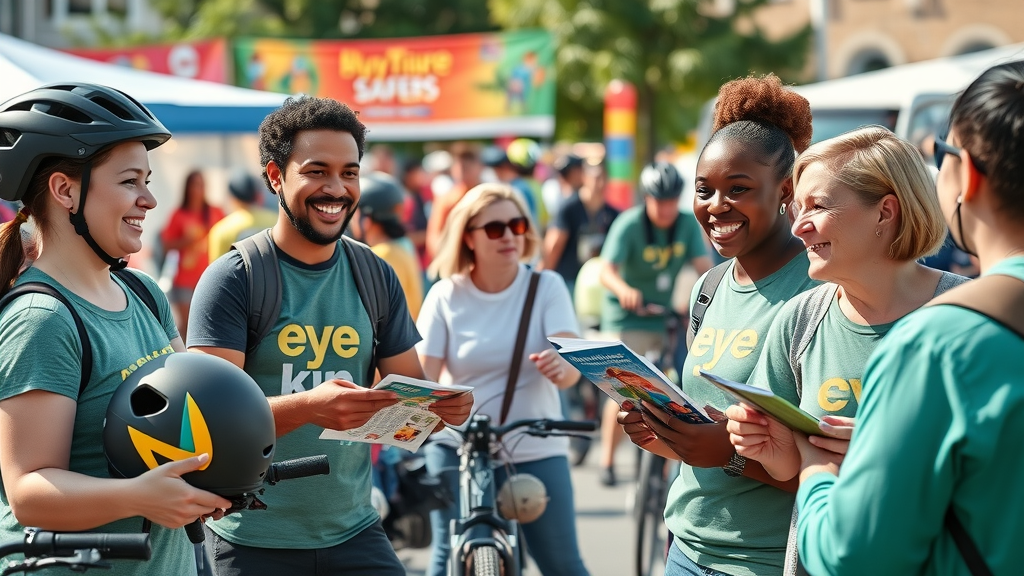
inspiring community event with riders and volunteers distributing safety brochures and helmets for motorcycle safety awareness

Motorcycle Safety Awareness Month acts as a catalyst for year-round change, mobilizing communities and organizations across the country. During this peak period, safety awareness campaigns go into overdrive: local motorcycle clubs host skills workshops, park service units hold specialized training near scenic parks, and law enforcement increases its presence to educate both motorists and motorcycle riders.

The timing is deliberate—warmer months see a dramatic rise in motorcycle activity and, unfortunately, motorcycle crashes. To counter this, authorities amplify safety messaging through radio, social media, and high-visibility campaigns. They distribute reflective gear, hand out informational brochures, and set up check-points focused on helmet use and rider sobriety. By saturating the environment with reminders and resources, lives are quite literally saved before the season ends.

Beyond these campaigns, the national spotlight brings heightened accountability. Policymakers, local leaders, and the park service respond with stronger legislation and more robust support systems, contributing to a wave of positive change that extends well beyond the month itself.

Share the Road: Collaborative Strategies In Motorcycle Safety Campaigns

Effective motorcycle safety campaigns rely on the shared commitment of every road user—riders, car drivers, and even pedestrians. The core message, share the road , is more than a slogan; it’s a call for behavioral change and mutual respect. Campaigns feature television ads showing the difficulty drivers simply have in seeing motorcycles in traffic, paired with stories where safe, attentive driving saved lives.

Community-driven campaigns engage local stakeholders—from school teachers to auto repair shops—who serve as trusted messengers. They distribute safety tips, host mock crash demonstrations, and create vivid public awareness about the unique vulnerabilities facing motorcycle riders. The result is a tighter-knit network of individuals and organizations, each playing a role in safer streets and highways.

The success of these outreach programs is clear in accident statistics: cities that have run collaborative public awareness campaigns documenting the importance of share the road frequently experience a noticeable decline in multi-vehicle motorcycle crashes. The impact ripples outward, affecting policy and road design to incorporate motorcyclists’ needs.

Before and After Major Motorcycle Safety Campaigns
Metric Before Campaign After Campaign
Accident Rate (per 10,000 riders) 82 58
Helmet Use (%) 62% 81%
Fatalities (annual, per 10,000 riders) 13 7

The Role Of Park Services And National Parks In Motorcycle Safety Campaigns

National park roads offer some of the most breathtaking riding experiences but come with their own unique set of challenges. The park service plays a crucial role in safeguarding riders and promoting motorcycle safety awareness within these natural landscapes. Seasonal traffic surges, unpredictable weather, and diverse wildlife introduce hazards not typically encountered on city streets, requiring targeted safety initiatives.

National parks often serve as testing grounds for innovative safety programs. Collaboration between park rangers, local law enforcement, and motorcycle clubs enables the design of campaigns tailored to the park’s topography, traffic patterns, and visitor demographics. These can include providing updated safety tips at park entrances, increasing signage about curve risks, hosting rider education events, and monitoring high-risk zones.

The result is a riding environment where safety awareness permeates every mile—a model later adapted by surrounding communities. The park service also collects and analyzes incident data, helping shape future awareness campaigns and guide preventive measures that have saved countless lives.

National Park Motorcycle Safety: Unique Risks And Best Practices

motorcyclist at scenic overlook in a national park practicing motorcycle safety awareness

Riding through a national park is a dream for many, but the environment demands heightened vigilance. From rapidly changing weather to unexpected wildlife crossings, the risks are significant. Recognizing these challenges, the motorcycle safety foundation and park services have developed a set of best practices and targeted campaigns. These include reminders about frequent gear checks, speed limitations, and the importance of sharing scenic routes with other travelers.

Park rangers conduct periodic briefings at visitor centers, ensuring that both resident and visiting riders understand the park’s unique hazards. They stress visibility—encouraging reflective gear—, the importance of safe distances, and constant updates on road conditions. Some parks now feature kiosks providing up-to-the-minute alerts, integrating educational content into the very landscape.

The partnership between the park service and motorcycle organizations has led to a measurable drop in vehicle crash incidents and motorcycle fatalities within park boundaries. It’s a testament to the idea that effective motorcycle safety awareness is a living, evolving commitment, not just a one-off campaign.

"Effective motorcycle safety campaigns don't just educate riders; they foster a culture of mutual respect and vigilance on every road."

Effective Awareness Campaigns: From Grassroots Safety Awareness To Nationwide Change

  1. Research local risks
  2. Partner with authorities
  3. Use engaging content
  4. Measure results

The most powerful motorcycle safety campaigns often begin at the grassroots level. By researching local trends—such as high-risk intersections or rising motorcycle crash rates—community leaders can tailor their efforts for maximum relevance. Next, forming partnerships with city traffic safety offices, the park service , and health organizations multiplies resources and expands the campaign’s reach.

Engaging content plays a key role in capturing the public’s attention. Dynamic videos, interactive social media challenges, and real-life testimonials bring safety awareness month to life. A successful initiative doesn’t stop at educational pamphlets; it brings in the power of community, inviting every resident to take ownership of safer streets.

Finally, strong campaigns track their impact and adjust strategies based on data. Whether it’s a boost in helmet use or a measured decline in local motorcycle crashes, these metrics turn awareness campaigns from hopeful intentions into real, lifesaving results.

Engaging Community And Utilizing Safety Awareness Month For Maximum Impact

motivated safety awareness community group planning a motorcycle safety campaign during awareness month

Involving the community is essential for impactful motorcycle safety campaigns , and Motorcycle Safety Awareness Month is the perfect moment to rally support. Local motorcycle clubs, business owners, and national park representatives gather to set goals, distribute resources, and brainstorm creative ways to spread safety messages. It’s a group effort that reaches not only riders, but families, students, and even tourists.

Tools like digital newsletters, campaign toolkits, and outreach booths at fairs or parks allow organizers to reach beyond the riding community and educate the broader public. This strategy has proven effective in areas known for high tourist traffic—like popular national parks—where even a modest outreach session can have ripple effects on thousands of visitors.

Leveraging the momentum of awareness month, campaign leaders often coordinate with influencers or celebrities. Their reach brings extra attention to safety tips, especially for new or young riders. By sustaining this energy year-round, awareness campaigns create cultural change long after the banners come down.

People Also Ask

How do motorcycle safety campaigns make a difference?

Motorcycle safety campaigns make a difference by raising awareness, influencing local and federal policy, and fostering safer riding environments. Effective campaigns often correspond with measurable reductions in accidents and fatalities, especially when linked to safety awareness initiatives and seasonal safety awareness months.
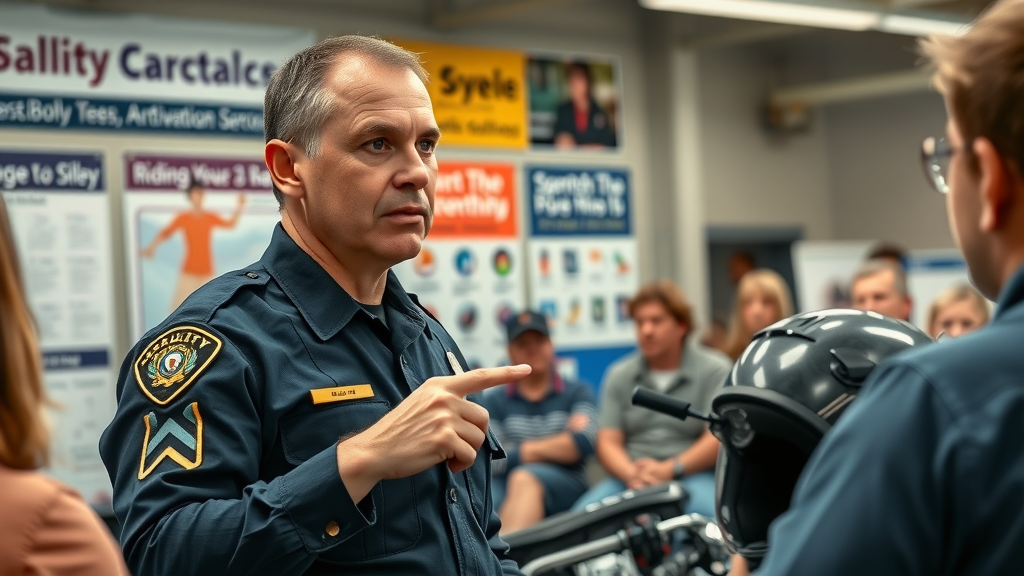
public safety officer presenting riding safety awareness campaign to a diverse audience

What is the focus of Motorcycle Safety Awareness Month?

Motorcycle Safety Awareness Month emphasizes rider education, safe driving behaviors among all motorists, and increased vigilance during peak riding seasons. It features intensified awareness campaigns and outreach from park services, national parks, and traffic safety authorities.

How can riders participate in motorcycle safety campaigns?

Riders can participate in motorcycle safety campaigns by joining local awareness events, sharing campaign messages on social platforms, practicing lessons learned, and advocating for safety in clubs or at national park destinations.

Essential FAQs on Motorcycle Safety Campaigns

Which governing bodies oversee major motorcycle safety campaigns?

The Motorcycle Safety Foundation is a leading voice, alongside federal agencies like the National Highway Traffic Safety Administration. State and local traffic safety offices, the park service , and national park management also play important roles, ensuring that both nationwide and location-specific safety awareness campaigns are implemented effectively.

What measurable results come from effective motorcycle safety awareness?

Measurable results from safety campaigns include higher helmet usage rates, lower incident counts for both single and multi-vehicle motorcycle crashes, and a significant decrease in motorcycle-related fatalities. Increased public awareness is often reflected in positive changes to motor vehicle operator habits and support for more protective legislation.

How does park service involvement strengthen safety efforts?

The park service brings extensive local knowledge and a direct line to riders passing through vulnerable or unfamiliar terrains. They help tailor safety tips and public awareness campaigns based on the unique features of each national park , enhancing both immediate rider safety and long-term public safety outcomes.

Key Steps For Supporting And Spreading Motorcycle Safety Campaigns

  • Promote share the road etiquette
  • Engage your local park service with campaigns
  • Advocate for motorcycle safety awareness at community and national events

Supporting motorcycle safety campaigns means more than attending a single event—it’s about making a continuous commitment to safer communities. You can start by reminding friends and family to respect motorcycles in traffic and participating in safety workshops at your nearest national park .

Joining forces with the park service multiplies your impact, as does becoming an advocate at school, work, or within a rider’s club. Each of these steps strengthens the network of safety champions essential for ongoing progress.

Lastly, keep spreading the message: post safety tips on social media, invite speakers from the safety foundation to local meetings, and champion new policy proposals that promote comprehensive rider education . Together, these efforts create roadways where all travelers—especially motorcycle riders—can thrive.

determined motorcycle club members organizing safety rally to support motorcycle safety campaigns with park service involvement

Take Action: Join The Movement For Safer Riding With Motorcycle Safety Campaigns

"Every rider saved is a victory for every campaign. Participate, educate, and make motorcycle safety a community priority."

Step up today: Seek out local events, foster connections with your park service and national park hosts, and amplify the lifesaving messages of motorcycle safety campaigns in your community.

Motorcycle safety campaigns play a pivotal role in reducing accidents and fatalities by promoting awareness and responsible riding practices. For instance, the Virginia Department of Motor Vehicles launched a compelling ad campaign emphasizing the importance of proper motorcycle training, featuring real-life scenarios to highlight potential dangers and encourage riders to enhance their skills through the Virginia Rider Training Program. ( dmv.virginia.gov )

Similarly, the Texas Department of Transportation’s “Share the Road: Look Twice for Motorcycles” campaign urges motorists to be vigilant, especially at intersections, to prevent collisions with motorcycles. This initiative underscores the shared responsibility of all road users in ensuring safety. ( txdot.gov )

In New Zealand, the Transport Agency’s motorcycling safety campaign targets high-risk groups by featuring real riders sharing their experiences. The campaign focuses on key safety behaviors such as riding to one’s ability, staying sober and rested, and wearing appropriate gear, aiming to connect with riders and motivate them to mitigate risks. ( nzta.govt.nz )

These examples illustrate the diverse strategies employed globally to enhance motorcycle safety. By participating in training programs and adhering to safety guidelines, riders can significantly reduce risks and contribute to safer road environments.

Community Engagement Strategies

91 Views

0 Comments

Write A Comment

*
*
Please complete the captcha to submit your comment.
Related Posts All Posts
09.02.2026

California Personal Injury Law: Your Essential Guide for 2026

Update Understanding Personal Injury Law in CaliforniaNavigating the world of personal injury law can seem daunting, especially for those unfamiliar with legal terms and processes. In California, personal injury laws are designed to help individuals who have suffered harm due to someone else’s negligence. From car accidents to slip and falls, understanding your rights and the steps to take can empower you to seek justice and fair compensation.What to Do Immediately After an InjuryIn the aftermath of an injury, emotions can run high, making it crucial to respond correctly. First, seek medical attention – your health should be your top priority. Afterward, document the scene: take photos, gather witness information, and make notes about what occurred. This information will be invaluable later when building your case.The Importance of Proper DocumentationKeeping detailed records following an injury is essential for any personal injury claim. All medical records, bills, police reports, and correspondence with insurance companies should be organized and preserved. Proper documentation serves as proof of your injuries, expenses, and the impact on your daily life.Seeking Legal Support: When Is It Necessary?While minor injuries may be manageable on your own, it's often wise to consult with a personal injury attorney, especially for significant injuries or disputes with insurance companies. They can guide you through the complexities of the legal system, ensuring your rights are protected and that you receive the compensation you deserve.Common Types of Personal Injury Cases in CaliforniaCalifornia sees a variety of personal injury cases. These can include motor vehicle accidents, workplace injuries, defective products, and premises liability claims. Each case has its unique nuances – understanding these can help you assess the strength of your claim and necessary actions.The Role of Insurance in Personal Injury ClaimsInsurance can play a pivotal role in personal injury claims. Knowing what your insurance covers and how it interacts with other parties' coverage is crucial. California adheres to a 'fault' insurance system, meaning the party responsible for the accident is liable for damages, and their insurance should cover the associated costs.Community Resources for Injury VictimsIn California, numerous organizations provide support to injury victims. From local legal aid clinics to support groups offering emotional support, connecting with community resources can provide not only invaluable information but also companionship during a challenging time. Recovery isn’t just about physical healing; having a network can help ease the emotional burden.ConclusionUnderstanding personal injury law in California equips you with the knowledge to protect your rights should an unfortunate event arise. By staying informed and utilizing community resources and legal support, you can navigate the complexities of personal injury claims with confidence. Remember, recovery is not purely physical; it involves a supportive community that embraces healing in all aspects.

09.04.2026

Navigating the Hyliion Holdings Securities Class Action: What Investors Need to Know

Update The Rising Tides of Hyliion Holdings Corp: What Investors Should Know In recent months, Hyliion Holdings Corp. (NYSE American: HYLN) has found itself at the center of a significant class-action lawsuit. Investors who acquired securities between May 12 and June 23, 2026, are now facing crucial deadlines that could impact their financial future. Kaplan Fox & Kilsheimer LLP is at the forefront of this investigation, alerting potential class members of a deadline to move to seek leadership in this case by October 27, 2026. Understanding the Allegations Against Hyliion The crux of the lawsuit revolves around allegations that Hyliion misled investors with false statements aimed at inflating stock prices. It all started when the company announced a partnership with VFG Holdings, which sent shares soaring from a closing price of $2.68 to $4.67 in just three days. However, doubts began to surface. On June 23, the stock plummeted after Pelican Way Research labeled the LOI with VFG a "sham", attributing a severe drop of 17.2% in the stock’s value. This staggering decline is significant as it highlights the volatility in investment associated with false perceptions versus actual corporate performance. What Does This Mean for Investors? The legal landscape surrounding Hyliion is not just a procedural formality but a crucial moment for investors. Understanding the implications of the class-action lawsuit is essential for anyone who invested during this critical period. If you are part of this class, it’s important to weigh the potential outcomes of this legal battle. You do not need to become a lead plaintiff to seek compensation, which means easier participation in the proceedings. The Future of Hyliion: What Lies Ahead? The aftermath of such scandals can be transformative. Investors might be cautious about Hyliion going forward, but each crisis brings about opportunities for change. Analysts suggest that for companies like Hyliion to regain trust, they must exhibit transparency and implement stronger governance practices. Future partnerships will likely be scrutinized—an essential aspect for investors eyeing long-term engagement with the company. Historical Context: The Evolving Landscape of Securities Lawsuits Understanding Hyliion's situation requires looking at the broader history of securities lawsuits. Traditionally, these cases arise in times of investor distrust, often driven by information asymmetry—where company insiders have more knowledge than the average investor. History tells us that such disruptions can lead to stronger legal frameworks, enhancing protections for investors. What Investors Can Do Now If you’ve suffered from losses in Hyliion stock during the defined class period, your next steps are crucial. Contact Kaplan Fox for guidance and consider participating in the class-action lawsuit to hold corporate decision-makers accountable. Engaging in this process not only helps you potentially recover losses but also empowers a communal stance against corporate misconduct. Conclusion: Stay Informed, Stay Engaged As we watch the unfolding spectacle surrounding Hyliion Holdings, it’s imperative that investors remain informed about their rights and opportunities. The October 27 deadline serves as a reminder that knowledge is power. By understanding the variables at play, you position yourself to navigate the complexities of investing effectively.

09.02.2026

Investors Alert: The Guggenheim Strategic Opportunities Fund Investigation

Update A Wake-Up Call for Investors: Understand the Risks Recent alerts surrounding the Guggenheim Strategic Opportunities Fund (GOF) spotlight a crucial moment for investors. As news emerges of a potential investigation into securities law violations, it's vital for stakeholders to understand the implications of this situation. The confidence of investors is at stake, and what does this mean for those currently holding shares? Investors must be aware that any adverse findings could significantly affect the fund's performance and, consequently, their returns. Therefore, vigilance is essential. Navigating Through Uncertainties Investing in funds like GOF is often seen as a stable choice due to their diversified strategies. However, the complexities of securities laws impose risks that can catch even the most seasoned investors off guard. This investigation is not merely a procedural formality but an urgent reminder that diligence is paramount. Understanding the intricacies of these laws is crucial for all investors, especially those invested in GOF, as they navigate through this period of uncertainty. For those already invested, the moment presents an opportunity to ask critical questions: Are you aware of all the potential pitfalls? Do you understand the fund's investment strategies and the regulations governing them? Ensuring that you possess a thorough knowledge of how these factors affect your investments is crucial during such a time. The Broader Implications for Market Dynamics This investigation raises questions not only about GOF but also about the overall health and management of mutual funds in general. As regulatory bodies continue to tighten their scrutiny on compliance within the finance sector, we can anticipate a shift in strategy among fund managers. Those that emphasize transparency and strict adherence to laws will not only survive but thrive in this evolving landscape. Investors should remain aware that funds perceived as riskier may face heightened scrutiny and scrutiny can lead to volatility. What adjustments might you consider in your investment strategy in light of these developments? Perhaps exploring alternative investment opportunities or diversifying your portfolio could help mitigate potential risks. Staying ahead of these changes can be immensely beneficial. Regular Reviews: A Key to Protection Regularly reviewing investments can wield considerable power in safeguarding your financial future. It offers the chance to reassess your portfolio amidst changing market conditions. With the GOF situation in mind, it’s time to evaluate how diversified and protected your investments truly are against potential market disruptions. Conducting periodic check-ins on where your funds stand can also encourage you to stay aligned with your risk tolerance and financial goals. Consider consulting with a financial advisor to ensure you are making informed decisions based upon current market conditions. Stay Informed and Engaged While the GOF investigation may evoke anxiety, it serves as an illuminating case that investors need to remain aware of and proactive throughout. Engage with investment communities, explore educational resources, and continually keep tabs on news that impacts the markets. These actions do not only empower you but can also help safeguard your investments from unexpected downturns. Moreover, being engaged with the latest developments may enable you to capitalize on potential opportunities that arise from the shifting market winds. Networking with other investors or participating in forums can provide additional insights that may not be readily available from more traditional sources. Conclusion: The Importance of Action Now In light of the ongoing investigation into the Guggenheim Strategic Opportunities Fund, investors need to be vigilant. Understanding potential risks and making informed decisions can mitigate the impact of such events. This episode is not just about one fund; it serves as a cautionary tale for all investors. It's essential to keep a watchful eye on the evolving situation and to understand that proactive engagement can have long-lasting benefits for your portfolio. Are you prepared to take the necessary steps now to protect your financial interests? Your future self may thank you for the diligence you exercise today. Remember, awareness is the first step towards effective investment management.

We believe great marketing starts with trust — especially in the motorcycle world.

At SeamanDan LLC, we specialize in helping motorcycle personal injury law firms build brands that resonate with riders and drive high-value case leads.

We know that the motorcycle community is different. Riders don’t trust just any lawyer — and they certainly don’t trust spammy ads or stock-photo websites. They trust those who understand their world and respect their values: loyalty, authenticity, and community.

That’s where we come in. Our team brings together:

.  Deep expertise in digital marketing for personal injury law firms
.  A rider-first perspective on branding and community engagement
.  Proven experience helping motorcycle-focused law firms dominate local search and grow sustainably.

Whether you’re sponsoring rallies, building connections with local clubs, or simply want your digital presence to match your commitment to riders, we help you create a marketing engine that reflects who you are — and earns the trust of the community you serve.

We don’t do generic legal marketing. We help motorcycle lawyers ride ahead of the pack — with marketing that actually works.

Ready to take your practice to the next level?
Let’s talk.

© 2026 SeamanDan LLC All Rights Reserved. 810 N Main St #187, Spearfish, SD 57783 . Contact Us . Terms of Service . Privacy Policy

eyJjb21wYW55IjoiU2VhbWFuRGFuIExMQyIsImFkZHJlc3MiOiI4MTAgTiBNYWluIFN0ICMxODciLCJjaXR5IjoiIFNwZWFyZmlzaCIsInN0YXRlIjoiU0QiLCJ6aXAiOiI1Nzc4MyIsImVtYWlsIjoic2VhbWFuZGFuQHNlYW1hbmRhbi5jb20iLCJ0b3MiOiJQSEErUEhOMGNtOXVaejQ4WlcwK1YyaGxiaUI1YjNVZ2MybG5iaTFwYmlCM2FYUm9JSFZ6TENCNWIzVWdZWEpsSUdkcGRtbHVaeVp1WW5Od095QjViM1Z5SUhCbGNtMXBjM05wYjI0Z1lXNWtJR052Ym5ObGJuUWdkRzhnYzJWdVpDQjViM1VnWlcxaGFXd2dZVzVrTDI5eUlGTk5VeUIwWlhoMElHMWxjM05oWjJWekxpQkNlU0JqYUdWamEybHVaeUIwYUdVZ1ZHVnliWE1nWVc1a0lFTnZibVJwZEdsdmJuTWdZbTk0SUdGdVpDQmllU0J6YVdkdWFXNW5JR2x1SUhsdmRTQmhkWFJ2YldGMGFXTmhiR3g1SUdOdmJtWnBjbTBnZEdoaGRDQjViM1VnWVdOalpYQjBJR0ZzYkNCMFpYSnRjeUJwYmlCMGFHbHpJR0ZuY21WbGJXVnVkQzQ4TDJWdFBqd3ZjM1J5YjI1blBqd3ZjRDRLQ2p4d1BtaDBkSEJ6T2k4dlptTnRieTV6WldGdFlXNWtZVzR1WTI5dEwySnBhMlZ5YkdGM1BDOXdQZ29LUEhBK0ptNWljM0E3UEM5d1Bnb0tQSEErUEhOMGNtOXVaejVUUlZKV1NVTkZQQzl6ZEhKdmJtYytQQzl3UGdvS1BIQStWMlVnY0hKdmRtbGtaU0JoSUhObGNuWnBZMlVnZEdoaGRDQmpkWEp5Wlc1MGJIa2dZV3hzYjNkeklIbHZkU0IwYnlCeVpXTmxhWFpsSUhKbGNYVmxjM1J6SUdadmNpQm1aV1ZrWW1GamF5d2dZMjl0Y0dGdWVTQnBibVp2Y20xaGRHbHZiaXdnY0hKdmJXOTBhVzl1WVd3Z2FXNW1iM0p0WVhScGIyNHNJR052YlhCaGJua2dZV3hsY25SekxDQmpiM1Z3YjI1ekxDQmthWE5qYjNWdWRITWdZVzVrSUc5MGFHVnlJRzV2ZEdsbWFXTmhkR2x2Ym5NZ2RHOGdlVzkxY2lCbGJXRnBiQ0JoWkdSeVpYTnpJR0Z1WkM5dmNpQmpaV3hzZFd4aGNpQndhRzl1WlNCdmNpQmtaWFpwWTJVdUlGbHZkU0IxYm1SbGNuTjBZVzVrSUdGdVpDQmhaM0psWlNCMGFHRjBJSFJvWlNCVFpYSjJhV05sSUdseklIQnliM1pwWkdWa0lDWnhkVzkwTzBGVExVbFRKbkYxYjNRN0lHRnVaQ0IwYUdGMElIZGxJR0Z6YzNWdFpTQnVieUJ5WlhOd2IyNXphV0pwYkdsMGVTQm1iM0lnZEdobElIUnBiV1ZzYVc1bGMzTXNJR1JsYkdWMGFXOXVMQ0J0YVhNdFpHVnNhWFpsY25rZ2IzSWdabUZwYkhWeVpTQjBieUJ6ZEc5eVpTQmhibmtnZFhObGNpQmpiMjF0ZFc1cFkyRjBhVzl1Y3lCdmNpQndaWEp6YjI1aGJHbDZZWFJwYjI0Z2MyVjBkR2x1WjNNdVBDOXdQZ29LUEhBK1dXOTFJR0Z5WlNCeVpYTndiMjV6YVdKc1pTQm1iM0lnYjJKMFlXbHVhVzVuSUdGalkyVnpjeUIwYnlCMGFHVWdVMlZ5ZG1salpTQmhibVFnZEdoaGRDQmhZMk5sYzNNZ2JXRjVJR2x1ZG05c2RtVWdkR2hwY21RZ2NHRnlkSGtnWm1WbGN5QW9jM1ZqYUNCaGN5QlRUVk1nZEdWNGRDQnRaWE56WVdkbGN5d2dTVzUwWlhKdVpYUWdjMlZ5ZG1salpTQndjbTkyYVdSbGNpQnZjaUJqWld4c2RXeGhjaUJoYVhKMGFXMWxJR05vWVhKblpYTXBMaUJaYjNVZ1lYSmxJSEpsYzNCdmJuTnBZbXhsSUdadmNpQjBhRzl6WlNCbVpXVnpMQ0JwYm1Oc2RXUnBibWNnZEdodmMyVWdabVZsY3lCaGMzTnZZMmxoZEdWa0lIZHBkR2dnZEdobElHUnBjM0JzWVhrZ2IzSWdaR1ZzYVhabGNua2diMllnWldGamFDQlRUVk1nZEdWNGRDQnRaWE56WVdkbElITmxiblFnZEc4Z2VXOTFJR0o1SUhWekxpQkpiaUJoWkdScGRHbHZiaXdnZVc5MUlHMTFjM1FnY0hKdmRtbGtaU0JoYm1RZ1lYSmxJSEpsYzNCdmJuTnBZbXhsSUdadmNpQmhiR3dnWlhGMWFYQnRaVzUwSUc1bFkyVnpjMkZ5ZVNCMGJ5QmhZMk5sYzNNZ2RHaGxJRk5sY25acFkyVWdZVzVrSUhKbFkyVnBkbVVnZEdobElGTk5VeUIwWlhoMElHMWxjM05oWjJWekxpQlhaU0JrYnlCdWIzUWdZMmhoY21kbElHRnVlU0JtWldWeklHWnZjaUJrWld4cGRtVnllU0J2WmlCbGJXRnBiQ0J2Y2lCVFRWTXVJRlJvYVhNZ2FYTWdZU0JtY21WbElITmxjblpwWTJVZ2NISnZkbWxrWldRZ1lua2dkWE11SUVodmQyVjJaWElzSUhCc1pXRnpaU0JqYUdWamF5QjNhWFJvSUhsdmRYSWdhVzUwWlhKdVpYUWdjMlZ5ZG1salpTQndjbTkyYVdSbGNpQmhibVFnWTJWc2JIVnNZWElnWTJGeWNtbGxjaUJtYjNJZ1lXNTVJR05vWVhKblpYTWdkR2hoZENCdFlYa2dhVzVqZFhJZ1lYTWdZU0J5WlhOMWJIUWdabkp2YlNCeVpXTmxhWFpwYm1jZ1pXMWhhV3dnWVc1a0lGTk5VeUIwWlhoMElHMWxjM05oWjJWeklIUm9ZWFFnZDJVZ1pHVnNhWFpsY2lCMWNHOXVJSGx2ZFhJZ2IzQjBMV2x1SUdGdVpDQnlaV2RwYzNSeVlYUnBiMjRnZDJsMGFDQnZkWElnWlcxaGFXd2dZVzVrSUZOTlV5QnpaWEoyYVdObGN5NGdXVzkxSUdOaGJpQmpZVzVqWld3Z1lYUWdZVzU1SUhScGJXVXVJRXAxYzNRZ2RHVjRkQ0FtY1hWdmREdFRWRTlRSm5GMWIzUTdJSFJ2SUR4b2FXZG9iR2xuYUhRZ1kyeGhjM005SW1OdmJYQmhibmxRYUc5dVpWVndaR0YwWlNJK05qQTFMVE0wTUMweE9UYzJQQzlvYVdkb2JHbG5hSFErTGlCQlpuUmxjaUI1YjNVZ2MyVnVaQ0IwYUdVZ1UwMVRJRzFsYzNOaFoyVWdKbkYxYjNRN1UxUlBVQ1p4ZFc5ME95QjBieUIxY3l3Z2QyVWdkMmxzYkNCelpXNWtJSGx2ZFNCaGJpQlRUVk1nYldWemMyRm5aU0IwYnlCamIyNW1hWEp0SUhSb1lYUWdlVzkxSUdoaGRtVWdZbVZsYmlCMWJuTjFZbk5qY21saVpXUXVJRUZtZEdWeUlIUm9hWE1zSUhsdmRTQjNhV3hzSUc1dklHeHZibWRsY2lCeVpXTmxhWFpsSUZOTlV5QnRaWE56WVdkbGN5Qm1jbTl0SUhWekxqd3ZjRDRLQ2p4d1BqeHpkSEp2Ym1jK1dVOVZVaUJTUlVkSlUxUlNRVlJKVDA0Z1QwSk1TVWRCVkVsUFRsTThMM04wY205dVp6NDhMM0ErQ2dvOGNENUpiaUJqYjI1emFXUmxjbUYwYVc5dUlHOW1JSGx2ZFhJZ2RYTmxJRzltSUhSb1pTQlRaWEoyYVdObExDQjViM1VnWVdkeVpXVWdkRzg2UEM5d1Bnb0tQRzlzUGdvSlBHeHBQbkJ5YjNacFpHVWdkSEoxWlN3Z1lXTmpkWEpoZEdVc0lHTjFjbkpsYm5RZ1lXNWtJR052YlhCc1pYUmxJR2x1Wm05eWJXRjBhVzl1SUdGaWIzVjBJSGx2ZFhKelpXeG1JR0Z6SUhCeWIyMXdkR1ZrSUdKNUlIUm9aU0JUWlhKMmFXTmxKaU16T1R0eklISmxaMmx6ZEhKaGRHbHZiaUJtYjNKdElDaHpkV05vSUdsdVptOXliV0YwYVc5dUlHSmxhVzVuSUhSb1pTQW1jWFZ2ZER0U1pXZHBjM1J5WVhScGIyNGdSR0YwWVNaeGRXOTBPeWtnWVc1a1BDOXNhVDRLQ1R4c2FUNXRZV2x1ZEdGcGJpQmhibVFnY0hKdmJYQjBiSGtnZFhCa1lYUmxJSFJvWlNCU1pXZHBjM1J5WVhScGIyNGdSR0YwWVNCMGJ5QnJaV1Z3SUdsMElIUnlkV1VzSUdGalkzVnlZWFJsTENCamRYSnlaVzUwSUdGdVpDQmpiMjF3YkdWMFpTNGdTV1lnZVc5MUlIQnliM1pwWkdVZ1lXNTVJR2x1Wm05eWJXRjBhVzl1SUhSb1lYUWdhWE1nZFc1MGNuVmxMQ0JwYm1GalkzVnlZWFJsTENCdWIzUWdZM1Z5Y21WdWRDQnZjaUJwYm1OdmJYQnNaWFJsTENCdmNpQjNaU0JvWVhabElISmxZWE52Ym1GaWJHVWdaM0p2ZFc1a2N5QjBieUJ6ZFhOd1pXTjBJSFJvWVhRZ2MzVmphQ0JwYm1admNtMWhkR2x2YmlCcGN5QjFiblJ5ZFdVc0lHbHVZV05qZFhKaGRHVXNJRzV2ZENCamRYSnlaVzUwSUc5eUlHbHVZMjl0Y0d4bGRHVXNJSGRsSUdoaGRtVWdkR2hsSUhKcFoyaDBJSFJ2SUhOMWMzQmxibVFnYjNJZ1BITjBjbTl1Wno0OGMzQmhiaUJ6ZEhsc1pUMGlZMjlzYjNJNkkwWkdNREF3TURzaVBuUmxjbTFwYm1GMFpTQjViM1Z5SUdGalkyOTFiblF2Y0hKdlptbHNaU0JoYm1RZ2NtVm1kWE5sSUdGdWVTQmhibVFnWVd4c0lHTjFjbkpsYm5RZ2IzSWdablYwZFhKbElIVnpaU0J2WmlCMGFHVWdVMlZ5ZG1salpTQW9iM0lnWVc1NUlIQnZjblJwYjI0Z2RHaGxjbVZ2WmlrdVBDOXpjR0Z1UGp3dmMzUnliMjVuUGp3dmJHaytDand2YjJ3K0NnbzhjRDRtYm1KemNEczhMM0ErQ2p4b2FXZG9iR2xuYUhRZ1kyeGhjM005SW1OdmJYQmhibmxPWVcxbFZYQmtZWFJsSWo1VFpXRnRZVzVFWVc0Z1RFeERQQzlvYVdkb2JHbG5hSFErUEdKeUlDOCtDanhvYVdkb2JHbG5hSFFnWTJ4aGMzTTlJbU52YlhCaGJubEJaR1J5WlhOelZYQmtZWFJsSWo0NE1UQWdUaUJOWVdsdUlGTjBJQ014T0Rjc0lGTndaV0Z5Wm1semFDd2dVMFFnTlRjM09ETThMMmhwWjJoc2FXZG9kRDQ4WW5JZ0x6NEtQR2hwWjJoc2FXZG9kQ0JqYkdGemN6MGlZMjl0Y0dGdWVWQm9iMjVsVlhCa1lYUmxJajQyTURVdE16UXdMVEU1TnpZOEwyaHBaMmhzYVdkb2RENDhZbklnTHo0S1BHaHBaMmhzYVdkb2RDQmpiR0Z6Y3owaVkyOXRjR0Z1ZVVWdFlXbHNWWEJrWVhSbElqNXpaV0Z0WVc1a1lXNUFjMlZoYldGdVpHRnVMbU52YlR3dmFHbG5hR3hwWjJoMFBnPT0iLCJwcml2YWN5IjoiUEhBK1BITjBjbTl1Wno1UVVrbFdRVU5aUEM5emRISnZibWMrUEM5d1Bnb0tQSEErUEhOMGNtOXVaejVVYUdVZ2FXNW1iM0p0WVhScGIyNGdjSEp2ZG1sa1pXUWdaSFZ5YVc1bklIUm9hWE1nY21WbmFYTjBjbUYwYVc5dUlHbHpJR3RsY0hRZ2NISnBkbUYwWlNCaGJtUWdZMjl1Wm1sa1pXNTBhV0ZzTENCaGJtUWdkMmxzYkNCdVpYWmxjaUJpWlNCa2FYTjBjbWxpZFhSbFpDd2dZMjl3YVdWa0xDQnpiMnhrTENCMGNtRmtaV1FnYjNJZ2NHOXpkR1ZrSUdsdUlHRnVlU0IzWVhrc0lITm9ZWEJsSUc5eUlHWnZjbTB1SUZSb2FYTWdhWE1nYjNWeUlHZDFZWEpoYm5SbFpTNDhMM04wY205dVp6NDhMM0ErQ2dvOGNENDhjM1J5YjI1blBrbE9SRVZOVGtsVVdUd3ZjM1J5YjI1blBqd3ZjRDRLQ2p4d1BqeGxiVDVaYjNVZ1lXZHlaV1VnZEc4Z2FXNWtaVzF1YVdaNUlHRnVaQ0JvYjJ4a0lIVnpMQzRnWVc1a0lHbDBjeUJ6ZFdKemFXUnBZWEpwWlhNc0lHRm1abWxzYVdGMFpYTXNJRzltWm1salpYSnpMQ0JoWjJWdWRITXNJR052TFdKeVlXNWtaWEp6SUc5eUlHOTBhR1Z5SUhCaGNuUnVaWEp6TENCaGJtUWdaVzF3Ykc5NVpXVnpMQ0JvWVhKdGJHVnpjeUJtY205dElHRnVlU0JqYkdGcGJTQnZjaUJrWlcxaGJtUXNJR2x1WTJ4MVpHbHVaeUJ5WldGemIyNWhZbXhsSUdGMGRHOXlibVY1Y3lZak16azdJR1psWlhNc0lHMWhaR1VnWW5rZ1lXNTVJSFJvYVhKa0lIQmhjblI1SUdSMVpTQjBieUJ2Y2lCaGNtbHphVzVuSUc5MWRDQnZaaUJEYjI1MFpXNTBJSGx2ZFNCeVpXTmxhWFpsTENCemRXSnRhWFFzSUhKbGNHeDVMQ0J3YjNOMExDQjBjbUZ1YzIxcGRDQnZjaUJ0WVd0bElHRjJZV2xzWVdKc1pTQjBhSEp2ZFdkb0lIUm9aU0JUWlhKMmFXTmxMQ0I1YjNWeUlIVnpaU0J2WmlCMGFHVWdVMlZ5ZG1salpTd2dlVzkxY2lCamIyNXVaV04wYVc5dUlIUnZJSFJvWlNCVFpYSjJhV05sTENCNWIzVnlJSFpwYjJ4aGRHbHZiaUJ2WmlCMGFHVWdWRTlUTENCdmNpQjViM1Z5SUhacGIyeGhkR2x2YmlCdlppQmhibmtnY21sbmFIUnpJRzltSUdGdWIzUm9aWEl1UEM5bGJUNDhMM0ErQ2dvOGNENDhjM1J5YjI1blBrUkpVME5NUVVsTlJWSWdUMFlnVjBGU1VrRk9WRWxGVXp3dmMzUnliMjVuUGp3dmNENEtDanh3UGp4emRISnZibWMrV1U5VklFVllVRkpGVTFOTVdTQlZUa1JGVWxOVVFVNUVJRUZPUkNCQlIxSkZSU0JVU0VGVU9qd3ZjM1J5YjI1blBqd3ZjRDRLQ2p4dmJENEtDVHhzYVQ1WlQxVlNJRlZUUlNCUFJpQlVTRVVnVTBWU1ZrbERSU0JKVXlCQlZDQlpUMVZTSUZOUFRFVWdVa2xUU3k0Z1ZFaEZJRk5GVWxaSlEwVWdTVk1nVUZKUFZrbEVSVVFnVDA0Z1FVNGdKbkYxYjNRN1FWTWdTVk1tY1hWdmREc2dRVTVFSUNaeGRXOTBPMEZUSUVGV1FVbE1RVUpNUlNaeGRXOTBPeUJDUVZOSlV5NGdMQzRnUVU1RUlGVlRMQ0JKVkNZak16azdVeUJEVlZOVVQwMUZVbE1zSUVWWVVGSkZVMU5NV1NCRVNWTkRURUZKVFZNZ1FVeE1JRmRCVWxKQlRsUkpSVk1nVDBZZ1FVNVpJRXRKVGtRc0lGZElSVlJJUlZJZ1JWaFFVa1ZUVXlCUFVpQkpUVkJNU1VWRUxDQkpUa05NVlVSSlRrY3NJRUpWVkNCT1QxUWdURWxOU1ZSRlJDQlVUeUJVU0VVZ1NVMVFURWxGUkNCWFFWSlNRVTVVU1VWVElFOUdJRTFGVWtOSVFVNVVRVUpKVEVsVVdTd2dSa2xVVGtWVFV5QkdUMUlnUVNCUVFWSlVTVU5WVEVGU0lGQlZVbEJQVTBVZ1FVNUVJRTVQVGkxSlRrWlNTVTVIUlUxRlRsUXVQQzlzYVQ0S0NUeHNhVDVOUVV0RlV5Qk9UeUJYUVZKU1FVNVVXU0JVU0VGVUlDaHBLU0JVU0VVZ1UwVlNWa2xEUlNCWFNVeE1JRTFGUlZRZ1dVOVZVaUJTUlZGVlNWSkZUVVZPVkZNc0lDaHBhU2tnVkVoRklGTkZVbFpKUTBVZ1YwbE1UQ0JDUlNCVlRrbE9WRVZTVWxWUVZFVkVMQ0JVU1UxRlRGa3NJRk5GUTFWU1JTd2dUMUlnUlZKU1QxSXRSbEpGUlN3Z0tHbHBhU2tnVkVoRklGSkZVMVZNVkZNZ1ZFaEJWQ0JOUVZrZ1FrVWdUMEpVUVVsT1JVUWdSbEpQVFNCVVNFVWdWVk5GSUU5R0lGUklSU0JUUlZKV1NVTkZJRmRKVEV3Z1FrVWdRVU5EVlZKQlZFVWdUMUlnVWtWTVNVRkNURVVzSUVGT1JDQW9hWFlwSUVGT1dTQkZVbEpQVWxNZ1NVNGdWRWhGSUZOUFJsUlhRVkpGSUZkSlRFd2dRa1VnUTA5U1VrVkRWRVZFTGp3dmJHaytDZ2s4YkdrK1FVNVpJRTFCVkVWU1NVRk1JRVJQVjA1TVQwRkVSVVFnVDFJZ1QxUklSVkpYU1ZORklFOUNWRUZKVGtWRUlGUklVazlWUjBnZ1ZFaEZJRlZUUlNCUFJpQlVTRVVnVTBWU1ZrbERSU0JKVXlCRVQwNUZJRUZVSUZsUFZWSWdUMWRPSUVSSlUwTlNSVlJKVDA0Z1FVNUVJRkpKVTBzZ1FVNUVJRlJJUVZRZ1dVOVZJRmRKVEV3Z1FrVWdVMDlNUlV4WklGSkZVMUJQVGxOSlFreEZJRVpQVWlCQlRsa2dSRUZOUVVkRklGUlBJRmxQVlZJZ1EwOU5VRlZVUlZJZ1UxbFRWRVZOSUU5U0lFeFBVMU1nVDBZZ1JFRlVRU0JVU0VGVUlGSkZVMVZNVkZNZ1JsSlBUU0JVU0VVZ1JFOVhUa3hQUVVRZ1QwWWdRVTVaSUZOVlEwZ2dUVUZVUlZKSlFVd3VQQzlzYVQ0S0NUeHNhVDVPVHlCQlJGWkpRMFVnVDFJZ1NVNUdUMUpOUVZSSlQwNHNJRmRJUlZSSVJWSWdUMUpCVENCUFVpQlhVa2xVVkVWT0xDQlBRbFJCU1U1RlJDQkNXU0JaVDFVZ1JsSlBUU0JQVWlCVVNGSlBWVWRJSUU5U0lFWlNUMDBnVkVoRklGTkZVbFpKUTBVZ1UwaEJURXdnUTFKRlFWUkZJRUZPV1NCWFFWSlNRVTVVV1NCT1QxUWdSVmhRVWtWVFUweFpJRk5VUVZSRlJDQkpUaUJVU0VVZ1ZFOVRMand2YkdrK0Nqd3ZiMncrQ2dvOGNENDhjM1J5YjI1blBreEpUVWxVUVZSSlQwNGdUMFlnVEVsQlFrbE1TVlJaUEM5emRISnZibWMrUEM5d1Bnb0tQSEErV1U5VklFVllVRkpGVTFOTVdTQlZUa1JGVWxOVVFVNUVJRUZPUkNCQlIxSkZSU0JVU0VGVUlFRk9SQ0JUU0VGTVRDQk9UMVFnUWtVZ1RFbEJRa3hGSUVaUFVpQkJUbGtnUkVsU1JVTlVMQ0JKVGtSSlVrVkRWQ3dnU1U1RFNVUkZUbFJCVEN3Z1UxQkZRMGxCVEN3Z1EwOU9VMFZSVlVWT1ZFbEJUQ0JQVWlCRldFVk5VRXhCVWxrZ1JFRk5RVWRGVXl3Z1NVNURURlZFU1U1SElFSlZWQ0JPVDFRZ1RFbE5TVlJGUkNCVVR5d2dSRUZOUVVkRlV5QkdUMUlnVEU5VFV5QlBSaUJRVWs5R1NWUlRMQ0JIVDA5RVYwbE1UQ3dnVlZORkxDQkVRVlJCSUU5U0lFOVVTRVZTSUVsT1ZFRk9SMGxDVEVVZ1RFOVRVMFZUSUNoRlZrVk9JRWxHSUVoQlV5QkNSVVZPSUVGRVZrbFRSVVFnVDBZZ1ZFaEZJRkJQVTFOSlFrbE1TVlJaSUU5R0lGTlZRMGdnUkVGTlFVZEZVeWtzSUZKRlUxVk1WRWxPUnlCR1VrOU5Pand2Y0Q0S0NqeHZiRDRLQ1R4c2FUNVVTRVVnVlZORklFOVNJRlJJUlNCSlRrRkNTVXhKVkZrZ1ZFOGdWVk5GSUZSSVJTQlRSVkpXU1VORk96d3ZiR2srQ2drOGJHaytWRWhGSUVOUFUxUWdUMFlnVUZKUFExVlNSVTFGVGxRZ1QwWWdVMVZDVTFSSlZGVlVSU0JIVDA5RVV5QkJUa1FnVTBWU1ZrbERSVk1nVWtWVFZVeFVTVTVISUVaU1QwMGdRVTVaSUVkUFQwUlRMQ0JFUVZSQkxDQkpUa1pQVWsxQlZFbFBUaUJQVWlCVFJWSldTVU5GVXlCUVZWSkRTRUZUUlVRZ1QxSWdUMEpVUVVsT1JVUWdUMUlnVFVWVFUwRkhSVk1nVWtWRFJVbFdSVVFnVDFJZ1ZGSkJUbE5CUTFSSlQwNVRJRVZPVkVWU1JVUWdTVTVVVHlCVVNGSlBWVWRJSUU5U0lFWlNUMDBnVkVoRklGTkZVbFpKUTBVN1BDOXNhVDRLQ1R4c2FUNVZUa0ZWVkVoUFVrbGFSVVFnUVVORFJWTlRJRlJQSUU5U0lFRk1WRVZTUVZSSlQwNGdUMFlnV1U5VlVpQlVVa0ZPVTAxSlUxTkpUMDVUSUU5U0lFUkJWRUU3UEM5c2FUNEtDVHhzYVQ1VFZFRlVSVTFGVGxSVElFOVNJRU5QVGtSVlExUWdUMFlnUVU1WklGUklTVkpFSUZCQlVsUlpJRTlPSUZSSVJTQlRSVkpXU1VORk95QlBVand2YkdrK0NnazhiR2srUVU1WklFOVVTRVZTSUUxQlZGUkZVaUJTUlV4QlZFbE9SeUJVVHlCVVNFVWdVMFZTVmtsRFJTNDhMMnhwUGdvOEwyOXNQZ29LUEhBK1BIVStRbmtnY21WbmFYTjBaWEpwYm1jZ1lXNWtJSE4xWW5OamNtbGlhVzVuSUhSdklHOTFjaUJsYldGcGJDQmhibVFnVTAxVElITmxjblpwWTJVc0lHSjVJRzl3ZEMxcGJpd2diMjVzYVc1bElISmxaMmx6ZEhKaGRHbHZiaUJ2Y2lCaWVTQm1hV3hzYVc1bklHOTFkQ0JoSUdOaGNtUXNJQ1p4ZFc5ME8zbHZkU0JoWjNKbFpTQjBieUIwYUdWelpTQlVSVkpOVXlCUFJpQlRSVkpXU1VORkpuRjFiM1E3SUdGdVpDQjViM1VnWVdOcmJtOTNiR1ZrWjJVZ1lXNWtJSFZ1WkdWeWMzUmhibVFnZEdobElHRmliM1psSUhSbGNtMXpJRzltSUhObGNuWnBZMlVnYjNWMGJHbHVaV1FnWVc1a0lHUmxkR0ZwYkdWa0lHWnZjaUI1YjNVZ2RHOWtZWGt1UEM5MVBqd3ZjRDRLQ2p4d1BpWnVZbk53T3p3dmNENEtQR2hwWjJoc2FXZG9kQ0JqYkdGemN6MGlZMjl0Y0dGdWVVNWhiV1ZWY0dSaGRHVWlQbE5sWVcxaGJrUmhiaUJNVEVNOEwyaHBaMmhzYVdkb2RENDhZbklnTHo0S1BHaHBaMmhzYVdkb2RDQmpiR0Z6Y3owaVkyOXRjR0Z1ZVVGa1pISmxjM05WY0dSaGRHVWlQamd4TUNCT0lFMWhhVzRnVTNRZ0l6RTROeXdnVTNCbFlYSm1hWE5vTENCVFJDQTFOemM0TXp3dmFHbG5hR3hwWjJoMFBqeGljaUF2UGdvOGFHbG5hR3hwWjJoMElHTnNZWE56UFNKamIyMXdZVzU1VUdodmJtVlZjR1JoZEdVaVBqWXdOUzB6TkRBdE1UazNOand2YUdsbmFHeHBaMmgwUGp4aWNpQXZQZ284YUdsbmFHeHBaMmgwSUdOc1lYTnpQU0pqYjIxd1lXNTVSVzFoYVd4VmNHUmhkR1VpUG5ObFlXMWhibVJoYmtCelpXRnRZVzVrWVc0dVkyOXRQQzlvYVdkb2JHbG5hSFErIn0=

Terms of Service

Privacy Policy

Core Modal Title

Sorry, no results found

You Might Find These Articles Interesting

T
Please Check Your Email
We Will Be Following Up Shortly
*
*
*