Motorcycle Lawyer Marketing

Full-Service Motorcycle Injury
Lawyer Marketing

  • Home
  • Categories
    • SEO
    • Website Design & Branding
    • Community Engagement Strategies
    • Rally & Event Marketing Support
    • Video Marketing
    • Social Media Marketing
  • Blog Posting & Design
  • Email Marketing
June 14.2025
1 Minute Read

Motorcycle Helmet Laws That Save Lives

  • Did you know that wearing a motorcycle helmet reduces the risk of head injury by 69%? A close look at motorcycle helmet laws reveals the evidence-driven regulations that help protect millions of riders on the road.

motorcyclist fastening helmet, motorcycle helmet laws in urban city street

Understanding Motorcycle Helmet Laws: How They Protect Riders Every Day

  • The purpose and history of motorcycle helmet laws in the United States
  • Key differences between universal, partial, and no helmet requirements
  • Evidence and statistics supporting helmet laws and their impact on safety

Motorcycle helmet laws are more than just rules—they are proven measures that save lives and reduce severe injuries on America's roads. Throughout the United States , these helmet laws are rooted in public health, evolving from early advocacy by the federal government to modern state legislatures. In the late 1960s, spurred by increasing motorcycle crashes and fatalities, federal agencies urged states to implement universal helmet requirements, linking compliance with critical highway funding. Over time, states diverged in their approach, leading to the complex “patchwork” of helmet law enforcement we see today.

Understanding the difference between universal helmet law —which requires all motorcycle drivers and passengers to wear a helmet—and partial helmet laws (typically applied to young riders) is crucial for every motorcyclist. Compelling evidence supports the need for universal helmet requirements: the NHTSA reports that helmets reduce the risk of death in a motorcycle crash by 37%. These laws are not static; state law changes reflect ongoing debates around personal liberty, public cost, and proven safety. Ultimately, motorcycle helmet laws combine historical precedent with contemporary data to promote safer riding for all.

Motorcycle Helmet Laws by State: Navigating a Patchwork of Regulations

Motorcycle Helmet Laws by State (Including District of Columbia)
State Helmet Requirement Age Restrictions Passenger Requirements Special Rules/Notes
California Universal All Ages All Passengers Strict enforcement
Texas Partial Under 21, unless insured and trained Under 21 passengers Insurance/training exception
Florida Partial Under 21 Under 21 passengers $10,000 insurance required for 21+
Pennsylvania Partial Under 21 Under 21 passengers Rider experience/education exception
Illinois None N/A N/A No state helmet requirement
Iowa None N/A N/A No helmet law
District of Columbia Universal All Ages All Passengers Strict helmet standards

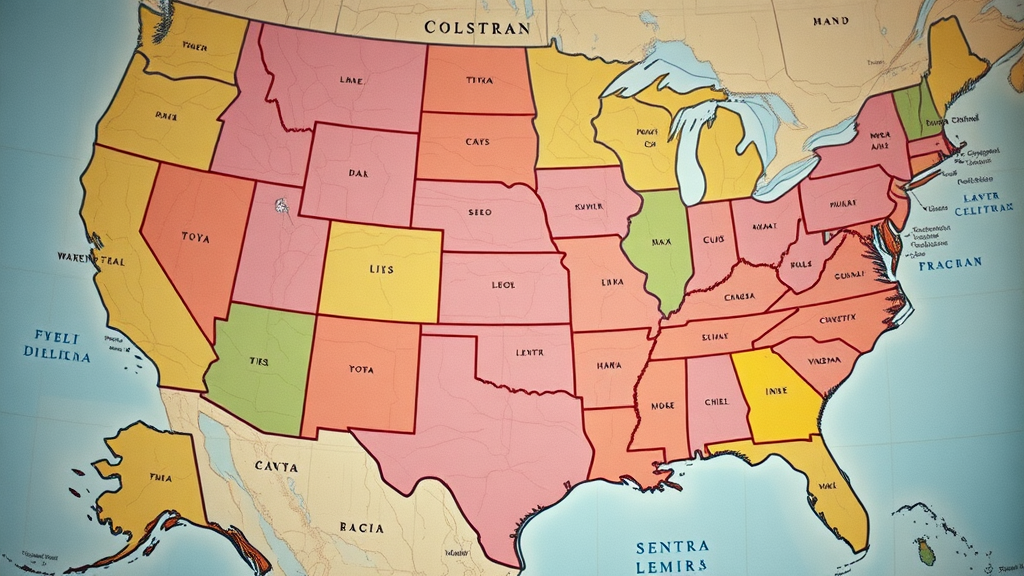
US state law map color-coded by motorcycle helmet laws

The reality of motorcycle helmet laws by state is complex and sometimes confusing for riders. While some states—like California and the District of Columbia—enforce a universal helmet requirement for everyone on a motorcycle, others, such as Illinois and Iowa, have no helmet laws whatsoever. Many states land somewhere in between, mandating helmets only for riders under a certain age or for specific situations. Navigating this patchwork of regulations is vital: not only do state law variations impact a rider’s legal obligations, but traveling across state lines can instantly change what is required.

For passengers and young riders, the law often differs from that applied to experienced motorcycle drivers. Some states meticulously enforce helmet requirements, while others take a more relaxed approach—putting extra pressure on riders to know and follow the rules. Typically, universal helmet laws provide the clearest guidelines and the highest statistical benefit in terms of reduced injuries and fatalities for both motorcycle helmet drivers and their passengers.

Universal vs. Partial Helmet Law: What Riders Need to Know

  • Definition and scope of universal helmet laws
  • States with partial laws and their coverage
  • Legal and safety implications for riders

A universal helmet law means that every person on a motorcycle—no matter their age or experience—is required to wear a helmet. States with such laws, including the District of Columbia and California, often see significant reductions in motorcycle-related head trauma and fatalities. Contrastingly, a partial helmet law only mandates helmet use for specific groups, most often young riders under 18 or 21 years old. This partial approach is common in states like Texas and Florida, where older riders may be exempt if they meet insurance or training criteria.

The distinction between universal and partial helmet laws carries serious legal and medical implications. Universal requirements make enforcement easier and send a powerful public safety message, promoting helmet use as a cultural norm. Partial requirements, however, create loopholes that may undermine the intended safety benefits, leaving young riders and passengers particularly vulnerable. For every rider, staying informed about a state’s helmet law is paramount not just for legal compliance, but for reducing personal risk in the event of a motorcycle crash.

Why Wear Helmets? Proven Impact on Injuries and Fatalities

“Helmet laws aren't just about compliance—they are about saving lives and preventing devastating injuries.” – National Highway Traffic Safety Administration
  • Statistical analysis on the effectiveness of helmets
  • Real-world examples of how helmet laws reduce fatalities
  • Exploring CDC and NHTSA data on helmet law outcomes

medical staff treating motorcyclist with and without a helmet, illustrating helmet law impact

Decades of research confirm that motorcycle helmet laws directly reduce both the severity of injuries and the rate of fatalities. According to the Centers for Disease Control (CDC), helmets lower the risk of death for motorcycle drivers by 37% and for passengers by 41%. When examining states with universal helmet laws , the difference is clear: fewer traumatic brain injuries, lower healthcare costs, and a higher survival rate after motorcycle crashes.

In one compelling real-world example, Michigan experienced a 22% increase in head injuries after repealing its universal helmet law in favor of a partial requirement. The NHTSA has shown that, in 2019 alone, helmets saved nearly 1,900 lives nationwide. CDC and NHTSA studies combine to provide overwhelming evidence: helmet laws—and helmet use—are not just regulatory suggestions, but proven, life-saving interventions that benefit every motorcycle driver and the broader community.

Helmet Requirements: Meeting Standards for Maximum Safety

  • DOT certification and other safety standard requirements
  • Proper helmet fit: Understanding the 2-2-2 rule
  • Differences between full-face, open-face, and modular motorcycle helmets

full-face, open-face, modular helmets side by side, motorcycle helmet requirements

Not all helmets protect equally. Federal and state laws require helmets to meet specific safety standards, usually set by the Department of Transportation (DOT) . A helmet that is DOT-certified must pass rigorous tests for impact resistance and retention. Beyond DOT, the ECE (Economic Commission for Europe) and Snell Foundation also offer respected safety certifications that indicate advanced protective features. Choosing the right helmet means first ensuring that it complies with all legal and safety requirements for your state and type of riding.

Equally important is making sure the helmet fits properly. Experts recommend the “2-2-2 rule”: two fingers above the eyebrow, two fingers between the chin strap and your chin, and two fingers between the helmet’s edge and your temple. This simple yet effective guideline helps riders achieve a snug, secure, and comfortable fit for maximum protection. With options like full-face, open-face, and modular helmets available, riders should select a style that meets both safety standards and personal preference—but never compromise on certification or fit.

Helmet Certification and Testing: What Makes a Helmet Law-Compliant?

  • Legal requirements for helmet certification in the United States
  • Recognized safety labels: DOT, ECE, Snell
  • Penalties for non-compliance in various states

The key to legal compliance is wearing a helmet that displays a legitimate certification label, such as DOT, ECE, or Snell. These marks prove that the helmet has passed stringent laboratory tests—covering impact absorption, chin strap strength, and field of vision—required by law in most states. If you don’t meet your state’s helmet certification standards, you may be subject to fines, penalties, or even points on your driving record, depending on local state law .

Some states require only DOT-compliant helmets, while others accept ECE or Snell as equivalent. Riders caught without an approved helmet may face escalating fines or, in some regions, more severe legal consequences if an accident occurs. That’s why it’s smart to verify that your helmet meets all local helmet requirements —and why thousands of new riders are encouraged to check official labels before every ride.

Frequently Overlooked Helmet Law Provisions

  • State law exceptions and helmet requirements by vehicle type
  • Riding with children: Unique helmet laws in select regions
  • Passenger helmet requirements and implications

parent and child with matching helmets, responsible motorcycle helmet law family

Riders are often surprised to learn that helmet laws can vary dramatically depending on vehicle type or passenger status. In some states, mopeds and scooters fall under different categories than motorcycles, sometimes exempt from the stricter helmet requirement imposed on higher-powered vehicles. Additionally, laws in certain regions specifically outline helmet requirements for children, with stricter rules on sizing, fit, and usage designed to protect vulnerable young riders.

Passengers are not exempt, either. Most states require motorcycle passengers to follow the same helmet rules as drivers, especially when minors are involved. Some laws are especially explicit about child safety, requiring “youth helmets,” mandatory eye protection, or precise age limits. Understanding these nuances is essential for families and all who may carry passengers on their motorcycle or scooter, helping everyone stay compliant with universal helmet laws and regional guidelines.

How Helmet Laws and Enforcement Differ: State Law and Legal Repercussions

  • Description of how state law shapes helmet enforcement
  • The role of law enforcement in promoting safe riding
  • Case study: The impact of strict and lax enforcement on rider behavior

The effectiveness of motorcycle helmet laws depends not just on legislation but on how laws are enforced. Some states empower law enforcement with the authority to issue tickets solely for helmet violations; elsewhere, helmet infractions are considered secondary offenses, enforced only if the rider was stopped for another reason. This fundamental difference in state law shapes both public perception and rider behavior, highlighting the vital partnership between policymakers and local law enforcement.

Consider California, which mandates rigorous helmet law enforcement and consequently enjoys one of the nation’s lowest rates of motorcycle head injury fatalities. In contrast, states with lax enforcement or loopholes in their helmet requirement experience higher rates of non-compliance, with tragic results in terms of injury and death. A consistent, visible approach from police sends a strong message: wearing a helmet is as critical for legal security as it is for survival in a motorcycle crash.

Helmet Laws and Insurance: What Every Rider Must Consider

  • The connection between helmet law compliance and insurance coverage
  • How insurance claims are affected by helmet law violations
  • Best practices for minimizing risk and liability

Compliance with motorcycle helmet laws can play a pivotal role in determining the outcome of insurance claims after an accident. Many insurance companies may reduce payouts or deny coverage entirely when riders involved in a motorcycle crash aren’t wearing a helmet as required by state law. Even where helmet use is voluntary, failing to wear a helmet could lead to increased liability if your choices contribute to the severity of your injuries.

To minimize risk and liability, always follow your state’s helmet requirements and keep your policy up to date. Inform your insurer about your use of certified protective gear, and, whenever traveling, double-check the laws by state or region. Responsible riding, combined with comprehensive insurance, ensures the maximum possible protection—both on the road and in the event of a legal dispute.

People Also Ask: Which States Do Not Require Motorcycle Helmets?

  • An up-to-date overview of states without universal motorcycle helmet law requirements, listing each state, summarizing their key helmet law features, and exploring recent legislative changes.

As of 2024, Illinois, Iowa, and New Hampshire are standout examples of states that do not have any motorcycle helmet laws for adult riders, meaning neither operators nor passengers are required to wear helmets regardless of age, experience, or insurance status. Other states have adopted partial helmet laws—often limited to younger riders or those without certain insurance policies—but these three states remain the most permissive. Legislative changes around helmet laws do arise periodically, although efforts to implement universal helmet laws in these regions have not been successful in recent years.

State law varies widely, so before heading out on a ride, check each state’s requirements carefully—especially if you travel across state lines. Remember: even if you are not required by law to wear a helmet, doing so is highly recommended for every rider's safety and for maintaining full insurance coverage in the event of a motorcycle crash.

People Also Ask: Do You Need a Motorcycle Helmet in TX?

  • A detailed guide to Texas’s helmet law, including partial helmet law status, age thresholds, required insurance, and notable enforcement practices.

In Texas, motorcycle helmet laws apply only partially. Riders and passengers under the age of 21 are required to wear a helmet at all times, with no exceptions. For riders 21 and older, helmets are optional if they can show proof of completing an approved safety course or provide evidence of at least $10,000 in medical insurance coverage. Enforcement in Texas tends to focus on young riders and obvious safety violations, but it is always safest to wear a helmet regardless of age or legal status.

It’s important to note that while police cannot stop a rider simply to check for compliance with the helmet law if they appear over 21, the burden of proof is on the rider once stopped for another reason. Failure to meet these criteria can result in fines and possible impacts to insurance coverage—so staying educated about your own eligibility is crucial before hitting the Texas highways.

police officer issuing ticket to rider, helmet law enforcement roadside

People Also Ask: What Is the 2-2-2 Rule When Fitting a Helmet on Your Head?

  • A step-by-step explanation of the '2-2-2 rule': measuring two fingers above the eyebrow, two fingers between the strap and the chin, and two fingers between the helmet and the temple for optimal helmet fit.

The 2-2-2 rule offers a simple, effective way to make sure your helmet fits correctly—a critical aspect of maximizing protection under any motorcycle helmet law. First, when your helmet is on, there should be room for two fingers between the bottom of the helmet and your eyebrows, ensuring proper vertical positioning. Second, with the chin strap fastened, you should be able to slip just two fingers between the strap and your chin, keeping the helmet secure without discomfort. Finally, there should be space for two fingers between the helmet’s side and your temple, balancing tightness and comfort.

Adhering to this guideline not only helps you comply with helmet requirements but significantly boosts your odds of walking away from a crash. Always check the helmet fit every time you ride, no matter how experienced you are.

People Also Ask: How Much Is a No-Motorcycle Helmet Ticket in California?

  • Current penalties for violating California's universal motorcycle helmet law, including fines, additional costs, and the long-term impact on the rider’s record.

In California, riding without an approved helmet is a violation of the state’s universal helmet law and can result in a base fine of $197 or more. Depending on the circumstance, court costs and administrative fees may increase your out-of-pocket penalty significantly. Beyond the immediate expense, failing to comply with the helmet requirement can add points to your license and potentially increase your insurance premiums.

With strict enforcement and a public commitment to rider safety, California is not likely to relax its helmet laws anytime soon—so it’s always best to ride protected and avoid unnecessary, costly legal trouble.

Video: Demonstrating Proper Helmet Use and Compliance with Motorcycle Helmet Laws

  • A visual guide on selecting, fitting, and wearing a motorcycle helmet in accordance with helmet law requirements.

Watching a video demonstration can clarify exactly how to choose, adjust, and secure a helmet according to motorcycle helmet law standards. Seeing the 2-2-2 rule in action, as well as the differences between helmet types and certification checks, helps reinforce the vital steps every rider must take to stay safe and within the law.

For a detailed visual guide, consider looking up reputable motorcycle safety organizations or your state’s department of transportation website for instruction and compliance tips.

Video: State-by-State Overview of Motorcycle Helmet Requirements

  • An interactive breakdown explaining regional and state law differences, with animated examples.

Animated maps and state-by-state breakdowns reveal just how varied motorcycle helmet laws are across the United States. Video guides that highlight differences in helmet requirement enforcement can help travelers and new residents avoid unintentional violations while staying prepared for changing regulations.

For current updates, consult your state’s motor vehicle department or trusted motorcycle safety advocacy organizations, many of which offer easy-to-understand, interactive resources to explain laws by state .

Frequently Asked Questions About Motorcycle Helmet Laws

  • What happens if I cross state lines with different helmet requirement laws?
  • Are there exceptions for certain motorcycles or off-road use?
  • How do military or veteran riders fit into helmet requirements?
  • What innovations are being introduced in helmet safety and law compliance?

Q: What happens if I cross state lines with different helmet requirement laws? A: Riders must comply with the helmet law in effect in each state they travel through, regardless of their home state’s regulations. Not wearing a helmet in a universal law state can result in fines or other penalties, even for out-of-state riders.

Q: Are there exceptions for certain motorcycles or off-road use? A: Some states do not require helmets on low-power mopeds or certain off-road vehicles. However, these exceptions vary widely, and riders should always confirm local requirements before riding.

Q: How do military or veteran riders fit into helmet requirements? A: Many military installations strictly require helmet use, regardless of state law, as a condition for riding on base. Veteran status rarely exempts riders from state helmet regulations off base—always check specific policies.

Q: What innovations are being introduced in helmet safety and law compliance? A: New technologies, including integrated communication systems, enhanced impact materials, and real-time crash detection sensors, are being developed to further improve helmet performance and rider safety. Remain informed of these advances, as evolving standards may affect future helmet requirements.

Critical Insights: How Motorcycle Helmet Laws Continue to Save Lives

  • Key takeaways from the evolution, enforcement, and social impact of helmet laws. Emphasizing personal and public health benefits for every motorcycle rider.

The evolution and enforcement of motorcycle helmet laws have consistently demonstrated their ability to save lives and prevent devastating injuries. By prioritizing protective gear, understanding laws by state, and advocating for comprehensive coverage and compliance, every rider contributes to their own safety and to public health at large.

Stay informed, wear your helmet every ride, and share this guide to help fellow riders stay protected and compliant.

Motorcycle helmet laws are crucial for rider safety, with regulations varying significantly across the United States. For instance, Illinois is one of only three states that do not mandate helmet use for motorcyclists, though eye protection is required unless the motorcycle has a windshield. ( dispartilaw.com ) In contrast, Colorado requires riders under 18 to wear DOT-approved helmets, while those 18 and over are not obligated to do so. ( csp.colorado.gov )

The Insurance Institute for Highway Safety (IIHS) emphasizes the life-saving impact of helmet use, noting that universal helmet laws significantly reduce motorcycle fatalities. ( iihs.org ) Additionally, the National Highway Traffic Safety Administration (NHTSA) underscores that helmets meeting Federal Motor Vehicle Safety Standard 218 are essential for rider protection. ( nhtsa.gov )

Understanding and adhering to your state’s helmet laws is vital for legal compliance and personal safety. For comprehensive information on helmet regulations and their benefits, refer to the IIHS’s detailed overview of motorcycle helmet laws. ( iihs.org )

Community Engagement Strategies

95 Views

0 Comments

Write A Comment

*
*
Please complete the captcha to submit your comment.
Related Posts All Posts
08.31.2026

Alignment Healthcare Investors Warned About Securities Violations: What You Should Know

Update Unpacking the Allegations Against Alignment Healthcare: What Investors Need to Know On July 8, 2026, troubling news rippled through the financial market as Alignment Healthcare, Inc. (NASDAQ: ALHC) saw its stock plummet by 16.7%. This dramatic drop followed a whistleblower complaint by a former executive, alleging that the company engaged in substantial accounting irregularities. The complaint pointed fingers at how Alignment misclassified millions in operating costs as capital expenditures, raising serious questions about the integrity of the company's reported financial results, including its Adjusted Earnings Before Interest, Taxes, Depreciation, and Amortization (EBITDA). A Closer Look at the Allegations The whistleblower’s claims are not trivial; they suggest that Alignment may have overstated its financial health, misleading investors about its operational performance. According to the complaint, these misrepresentations not only impacted investor confidence but also affected the executive compensation structure tied to financial metrics. While the whistleblower's allegations are still under investigation by Kaplan Fox & Kilsheimer LLP, investors are urged to scrutinize the origin and credibility of these claims carefully. Potential Impact on Investors For shareholders in Alignment Healthcare, this revelation hits close to home. With the stock price dropping from approximately $24.05 to $20.03 after the news broke, many investors may feel anxious about their investments. The circumstances raise critical questions: What does this mean for future financial reports? Will the company recover? Investors keeping a close eye on the developments of this case might benefit from staying informed and connected with the legal proceedings surrounding this investigation. Why Reach Out to Kaplan Fox? Investors who have suffered losses due to these alleged misrepresentations are encouraged to reach out to Kaplan Fox & Kilsheimer LLP. With decades of experience in securities litigation, the firm has established a reputation for holding corporations accountable for their actions, securing massive recoveries on behalf of investors in previous landmark cases. This case against Alignment Healthcare could be an important litmus test for the firm and offer an opportunity for affected investors to unite and amplify their voices against potential corporate malfeasance. The Bigger Picture: Lessons for Investors This incident underscores the critical need for due diligence in today’s complicated financial environment. Investors should always scrutinize company reports, seek transparency, and remember that corporate governance matters matter significantly in assessing a company’s risk profile. With rampant cases of financial misreporting making headlines in recent years, staying informed and vigilant is vital. Final Thoughts: Act on Insights In the complex landscape of stock investing, the differences between a win and a loss often hinge on timely, informed decision-making. The case against Alignment Healthcare serves as a crucial reminder for investors to be proactive in protecting their interests. Stay connected with reliable news sources, consider reaching out to seasoned legal firms like Kaplan Fox, and prioritize transparency when evaluating your investment choices. It's crucial for investors to monitor this situation closely and understand the potential implications it might have on their investment strategy. Don't hesitate to share your insights and experiences regarding corporate accountability in the comments below!

08.27.2026

Join Us for the Exciting Launch of Desert Injury Law at CAALA 2026

Update Celebrating Community Connections: Desert Injury Law's New Chapter As the legal community gears up for CAALA 2026, a special celebratory gathering is on the horizon. Desert Injury Law & Friends is set to officially launch and welcome personal injury and workers’ compensation attorneys from California, Nevada, and Arizona. This exclusive evening, hosted by the vibrant duo Steve Vatarazin and Alina Landver, promises not just a night of cocktails and hors d’oeuvres but a warm platform for professionals to connect, celebrate, and expand their networks. What to Expect at the Launch Party Taking place on September 3, 2026, from 8:30 p.m. to 11:00 p.m., guests can look forward to a delightful atmosphere filled with laughter and networking opportunities. Attendees will enjoy unique experiences like cigar rolling, alongside the chance to mingle with fellow attorneys who share common interests and challenges in their fields. It’s more than a party; it’s a gathering of minds, aimed at fostering relationships that can lead to successful collaborations. The Importance of Professional Networks In today's fast-paced legal environment, building a strong professional network is crucial. This event is not just another gathering; it’s a chance to tap into shared knowledge, exchange insights on industry trends, and support one another in navigating the complexities of personal injury and workers’ compensation law across state lines. With attendance limited and an RSVP required, the intimate setting promises to nurture meaningful connections. Why Every Attorney Should Attend For personal injury and workers' compensation attorneys, participating in community events like the Desert Injury Law & Friends Launch Party can lead to numerous benefits. These include learning best practices from peers, sharing experiences that can help overcome common industry obstacles, and perhaps even finding new mentors. As they say, "it's not just about what you know, but who you know," and this event embodies that ethos perfectly. The Excitement Builds for CAALA 2026 The anticipation is palpable as we approach CAALA 2026. This launch party is positioned to not only mark Desert Injury Law's expansion into desert cities in California but also to underscore the importance of community among legal professionals. It's an opportunity to celebrate achievements and consider future possibilities in a laid-back, engaging environment. Attorneys interested in attending are encouraged to act fast by completing the RSVP form to ensure their spot at this promising event. Prepare to enjoy an evening that blends professional development with a community spirit—a quintessential aspect of legal practice.

08.25.2026

Medline Investors: Your Legal Rights and the Importance of Action

Update Understanding Your Rights as a Medline Investor Investing in companies like Medline Inc. can evoke a wave of emotions, from excitement to uncertainty. With the recent news from Kaplan Fox encouraging investors to contact them regarding their legal rights, it is crucial for investors to understand the intricacies of their situation. This article explores the implications of this legal encouragement and what it could mean for stakeholders. As stakeholders grapple with the potential churn in the marketplace, staying informed is more important than ever. What’s at Stake for Medline Investors? Investors in Medline Inc. are facing a critical juncture that could significantly impact their financial future. The company’s recent developments and operations have raised red flags for some, making it increasingly important for shareholders to assess their position. Furthermore, the encouragement from Kaplan Fox highlights the importance of staying informed and proactive when legal matters are on the table. Many shareholders may not be aware of their options, leaving them vulnerable. In times like these, knowledge can empower investors to make informed decisions about their holdings and strategies moving forward. Legal Perspectives: The Role of Legal Firms in Protecting Investor Rights Engaging with a law firm like Kaplan Fox can provide investors with essential information regarding their rights and possible claims. Their focus is not just on legal assistance but also on educating investors about their avenues. Legal firms serve as a bridge that connects investors to available remedies, fundamentally altering the way individuals view their investments in turbulent times. Investors should recognize that consulting legal experts is not a sign of distrust in the company but rather a means to safeguard their financial interests. This proactive approach can provide much-needed clarity and guidance for navigating the complex world of corporate law. Empowering Shareholders: Why You Should Act Now Time-sensitive decisions can make or break financial outcomes for investors. By contacting Kaplan Fox, Medline investors can gain clarity on their legal rights and next steps. Immediate action prevents the risk of missing out on financial compensation or collective legal actions that could arise from potential discrepancies in company operations. Moreover, with the fast-paced nature of the stock market, timely intervention could create opportunities to mitigate potential losses or even leverage the situation for gains. Therefore, taking the first step to reach out may not only offer reassurance but could also be an essential move in securing one’s financial future. Counterarguments: Is Legal Action Necessary? While some investors may feel apprehensive about pursuing legal action, it’s crucial to consider the potential benefits. Legal assistance can reveal insights that might not be obvious from a standard shareholder perspective. Additionally, understanding the possible outcomes of legal claims might influence personal decisions regarding future investments or continued support of Medline. Some may argue that legal interventions could disrupt business operations or that achieving a favorable outcome is uncertain. However, one must weigh these concerns against the possibility of recovering lost investments or holding the company accountable for any wrongdoing. Future Trends in Investor Rights Awareness The landscape of investor rights continues to evolve, with increased awareness and advocacy emerging within financial markets. As firms like Kaplan Fox lead the charge in supporting investors, we can expect a ripple effect throughout corporate governance. This could result in greater accountability for publicly traded companies, ultimately benefitting shareholders. As more investors become aware of their rights, the pressure on companies to maintain transparent and ethical operations will only increase, fostering a healthier investment climate for everyone. This renewed focus on ethical standards and accountability can not only protect existing investments but also promote better practices within corporations. Conclusion: Take Charge of Your Investment No investor wants to feel powerless, especially in challenging situations. For Medline shareholders, reaching out to Kaplan Fox might be a pivotal step in exercising their rights. Equip yourself with knowledge; take charge of your investment journey today. By doing so, not only are you advocating for yourself but also contributing to a broader shift in investor empowerment. The path forward may be fraught with uncertainty, but becoming proactive can instill a sense of control over your financial destiny. Investors must remember that in the age where investor rights are gaining prominence, being informed and ready to act is key to navigating successfully through the complexities of the market.

We believe great marketing starts with trust — especially in the motorcycle world.

At SeamanDan LLC, we specialize in helping motorcycle personal injury law firms build brands that resonate with riders and drive high-value case leads.

We know that the motorcycle community is different. Riders don’t trust just any lawyer — and they certainly don’t trust spammy ads or stock-photo websites. They trust those who understand their world and respect their values: loyalty, authenticity, and community.

That’s where we come in. Our team brings together:

.  Deep expertise in digital marketing for personal injury law firms
.  A rider-first perspective on branding and community engagement
.  Proven experience helping motorcycle-focused law firms dominate local search and grow sustainably.

Whether you’re sponsoring rallies, building connections with local clubs, or simply want your digital presence to match your commitment to riders, we help you create a marketing engine that reflects who you are — and earns the trust of the community you serve.

We don’t do generic legal marketing. We help motorcycle lawyers ride ahead of the pack — with marketing that actually works.

Ready to take your practice to the next level?
Let’s talk.

© 2026 SeamanDan LLC All Rights Reserved. 810 N Main St #187, Spearfish, SD 57783 . Contact Us . Terms of Service . Privacy Policy

eyJjb21wYW55IjoiU2VhbWFuRGFuIExMQyIsImFkZHJlc3MiOiI4MTAgTiBNYWluIFN0ICMxODciLCJjaXR5IjoiIFNwZWFyZmlzaCIsInN0YXRlIjoiU0QiLCJ6aXAiOiI1Nzc4MyIsImVtYWlsIjoic2VhbWFuZGFuQHNlYW1hbmRhbi5jb20iLCJ0b3MiOiJQSEErUEhOMGNtOXVaejQ4WlcwK1YyaGxiaUI1YjNVZ2MybG5iaTFwYmlCM2FYUm9JSFZ6TENCNWIzVWdZWEpsSUdkcGRtbHVaeVp1WW5Od095QjViM1Z5SUhCbGNtMXBjM05wYjI0Z1lXNWtJR052Ym5ObGJuUWdkRzhnYzJWdVpDQjViM1VnWlcxaGFXd2dZVzVrTDI5eUlGTk5VeUIwWlhoMElHMWxjM05oWjJWekxpQkNlU0JqYUdWamEybHVaeUIwYUdVZ1ZHVnliWE1nWVc1a0lFTnZibVJwZEdsdmJuTWdZbTk0SUdGdVpDQmllU0J6YVdkdWFXNW5JR2x1SUhsdmRTQmhkWFJ2YldGMGFXTmhiR3g1SUdOdmJtWnBjbTBnZEdoaGRDQjViM1VnWVdOalpYQjBJR0ZzYkNCMFpYSnRjeUJwYmlCMGFHbHpJR0ZuY21WbGJXVnVkQzQ4TDJWdFBqd3ZjM1J5YjI1blBqd3ZjRDRLQ2p4d1BtaDBkSEJ6T2k4dlptTnRieTV6WldGdFlXNWtZVzR1WTI5dEwySnBhMlZ5YkdGM1BDOXdQZ29LUEhBK0ptNWljM0E3UEM5d1Bnb0tQSEErUEhOMGNtOXVaejVUUlZKV1NVTkZQQzl6ZEhKdmJtYytQQzl3UGdvS1BIQStWMlVnY0hKdmRtbGtaU0JoSUhObGNuWnBZMlVnZEdoaGRDQmpkWEp5Wlc1MGJIa2dZV3hzYjNkeklIbHZkU0IwYnlCeVpXTmxhWFpsSUhKbGNYVmxjM1J6SUdadmNpQm1aV1ZrWW1GamF5d2dZMjl0Y0dGdWVTQnBibVp2Y20xaGRHbHZiaXdnY0hKdmJXOTBhVzl1WVd3Z2FXNW1iM0p0WVhScGIyNHNJR052YlhCaGJua2dZV3hsY25SekxDQmpiM1Z3YjI1ekxDQmthWE5qYjNWdWRITWdZVzVrSUc5MGFHVnlJRzV2ZEdsbWFXTmhkR2x2Ym5NZ2RHOGdlVzkxY2lCbGJXRnBiQ0JoWkdSeVpYTnpJR0Z1WkM5dmNpQmpaV3hzZFd4aGNpQndhRzl1WlNCdmNpQmtaWFpwWTJVdUlGbHZkU0IxYm1SbGNuTjBZVzVrSUdGdVpDQmhaM0psWlNCMGFHRjBJSFJvWlNCVFpYSjJhV05sSUdseklIQnliM1pwWkdWa0lDWnhkVzkwTzBGVExVbFRKbkYxYjNRN0lHRnVaQ0IwYUdGMElIZGxJR0Z6YzNWdFpTQnVieUJ5WlhOd2IyNXphV0pwYkdsMGVTQm1iM0lnZEdobElIUnBiV1ZzYVc1bGMzTXNJR1JsYkdWMGFXOXVMQ0J0YVhNdFpHVnNhWFpsY25rZ2IzSWdabUZwYkhWeVpTQjBieUJ6ZEc5eVpTQmhibmtnZFhObGNpQmpiMjF0ZFc1cFkyRjBhVzl1Y3lCdmNpQndaWEp6YjI1aGJHbDZZWFJwYjI0Z2MyVjBkR2x1WjNNdVBDOXdQZ29LUEhBK1dXOTFJR0Z5WlNCeVpYTndiMjV6YVdKc1pTQm1iM0lnYjJKMFlXbHVhVzVuSUdGalkyVnpjeUIwYnlCMGFHVWdVMlZ5ZG1salpTQmhibVFnZEdoaGRDQmhZMk5sYzNNZ2JXRjVJR2x1ZG05c2RtVWdkR2hwY21RZ2NHRnlkSGtnWm1WbGN5QW9jM1ZqYUNCaGN5QlRUVk1nZEdWNGRDQnRaWE56WVdkbGN5d2dTVzUwWlhKdVpYUWdjMlZ5ZG1salpTQndjbTkyYVdSbGNpQnZjaUJqWld4c2RXeGhjaUJoYVhKMGFXMWxJR05vWVhKblpYTXBMaUJaYjNVZ1lYSmxJSEpsYzNCdmJuTnBZbXhsSUdadmNpQjBhRzl6WlNCbVpXVnpMQ0JwYm1Oc2RXUnBibWNnZEdodmMyVWdabVZsY3lCaGMzTnZZMmxoZEdWa0lIZHBkR2dnZEdobElHUnBjM0JzWVhrZ2IzSWdaR1ZzYVhabGNua2diMllnWldGamFDQlRUVk1nZEdWNGRDQnRaWE56WVdkbElITmxiblFnZEc4Z2VXOTFJR0o1SUhWekxpQkpiaUJoWkdScGRHbHZiaXdnZVc5MUlHMTFjM1FnY0hKdmRtbGtaU0JoYm1RZ1lYSmxJSEpsYzNCdmJuTnBZbXhsSUdadmNpQmhiR3dnWlhGMWFYQnRaVzUwSUc1bFkyVnpjMkZ5ZVNCMGJ5QmhZMk5sYzNNZ2RHaGxJRk5sY25acFkyVWdZVzVrSUhKbFkyVnBkbVVnZEdobElGTk5VeUIwWlhoMElHMWxjM05oWjJWekxpQlhaU0JrYnlCdWIzUWdZMmhoY21kbElHRnVlU0JtWldWeklHWnZjaUJrWld4cGRtVnllU0J2WmlCbGJXRnBiQ0J2Y2lCVFRWTXVJRlJvYVhNZ2FYTWdZU0JtY21WbElITmxjblpwWTJVZ2NISnZkbWxrWldRZ1lua2dkWE11SUVodmQyVjJaWElzSUhCc1pXRnpaU0JqYUdWamF5QjNhWFJvSUhsdmRYSWdhVzUwWlhKdVpYUWdjMlZ5ZG1salpTQndjbTkyYVdSbGNpQmhibVFnWTJWc2JIVnNZWElnWTJGeWNtbGxjaUJtYjNJZ1lXNTVJR05vWVhKblpYTWdkR2hoZENCdFlYa2dhVzVqZFhJZ1lYTWdZU0J5WlhOMWJIUWdabkp2YlNCeVpXTmxhWFpwYm1jZ1pXMWhhV3dnWVc1a0lGTk5VeUIwWlhoMElHMWxjM05oWjJWeklIUm9ZWFFnZDJVZ1pHVnNhWFpsY2lCMWNHOXVJSGx2ZFhJZ2IzQjBMV2x1SUdGdVpDQnlaV2RwYzNSeVlYUnBiMjRnZDJsMGFDQnZkWElnWlcxaGFXd2dZVzVrSUZOTlV5QnpaWEoyYVdObGN5NGdXVzkxSUdOaGJpQmpZVzVqWld3Z1lYUWdZVzU1SUhScGJXVXVJRXAxYzNRZ2RHVjRkQ0FtY1hWdmREdFRWRTlRSm5GMWIzUTdJSFJ2SUR4b2FXZG9iR2xuYUhRZ1kyeGhjM005SW1OdmJYQmhibmxRYUc5dVpWVndaR0YwWlNJK05qQTFMVE0wTUMweE9UYzJQQzlvYVdkb2JHbG5hSFErTGlCQlpuUmxjaUI1YjNVZ2MyVnVaQ0IwYUdVZ1UwMVRJRzFsYzNOaFoyVWdKbkYxYjNRN1UxUlBVQ1p4ZFc5ME95QjBieUIxY3l3Z2QyVWdkMmxzYkNCelpXNWtJSGx2ZFNCaGJpQlRUVk1nYldWemMyRm5aU0IwYnlCamIyNW1hWEp0SUhSb1lYUWdlVzkxSUdoaGRtVWdZbVZsYmlCMWJuTjFZbk5qY21saVpXUXVJRUZtZEdWeUlIUm9hWE1zSUhsdmRTQjNhV3hzSUc1dklHeHZibWRsY2lCeVpXTmxhWFpsSUZOTlV5QnRaWE56WVdkbGN5Qm1jbTl0SUhWekxqd3ZjRDRLQ2p4d1BqeHpkSEp2Ym1jK1dVOVZVaUJTUlVkSlUxUlNRVlJKVDA0Z1QwSk1TVWRCVkVsUFRsTThMM04wY205dVp6NDhMM0ErQ2dvOGNENUpiaUJqYjI1emFXUmxjbUYwYVc5dUlHOW1JSGx2ZFhJZ2RYTmxJRzltSUhSb1pTQlRaWEoyYVdObExDQjViM1VnWVdkeVpXVWdkRzg2UEM5d1Bnb0tQRzlzUGdvSlBHeHBQbkJ5YjNacFpHVWdkSEoxWlN3Z1lXTmpkWEpoZEdVc0lHTjFjbkpsYm5RZ1lXNWtJR052YlhCc1pYUmxJR2x1Wm05eWJXRjBhVzl1SUdGaWIzVjBJSGx2ZFhKelpXeG1JR0Z6SUhCeWIyMXdkR1ZrSUdKNUlIUm9aU0JUWlhKMmFXTmxKaU16T1R0eklISmxaMmx6ZEhKaGRHbHZiaUJtYjNKdElDaHpkV05vSUdsdVptOXliV0YwYVc5dUlHSmxhVzVuSUhSb1pTQW1jWFZ2ZER0U1pXZHBjM1J5WVhScGIyNGdSR0YwWVNaeGRXOTBPeWtnWVc1a1BDOXNhVDRLQ1R4c2FUNXRZV2x1ZEdGcGJpQmhibVFnY0hKdmJYQjBiSGtnZFhCa1lYUmxJSFJvWlNCU1pXZHBjM1J5WVhScGIyNGdSR0YwWVNCMGJ5QnJaV1Z3SUdsMElIUnlkV1VzSUdGalkzVnlZWFJsTENCamRYSnlaVzUwSUdGdVpDQmpiMjF3YkdWMFpTNGdTV1lnZVc5MUlIQnliM1pwWkdVZ1lXNTVJR2x1Wm05eWJXRjBhVzl1SUhSb1lYUWdhWE1nZFc1MGNuVmxMQ0JwYm1GalkzVnlZWFJsTENCdWIzUWdZM1Z5Y21WdWRDQnZjaUJwYm1OdmJYQnNaWFJsTENCdmNpQjNaU0JvWVhabElISmxZWE52Ym1GaWJHVWdaM0p2ZFc1a2N5QjBieUJ6ZFhOd1pXTjBJSFJvWVhRZ2MzVmphQ0JwYm1admNtMWhkR2x2YmlCcGN5QjFiblJ5ZFdVc0lHbHVZV05qZFhKaGRHVXNJRzV2ZENCamRYSnlaVzUwSUc5eUlHbHVZMjl0Y0d4bGRHVXNJSGRsSUdoaGRtVWdkR2hsSUhKcFoyaDBJSFJ2SUhOMWMzQmxibVFnYjNJZ1BITjBjbTl1Wno0OGMzQmhiaUJ6ZEhsc1pUMGlZMjlzYjNJNkkwWkdNREF3TURzaVBuUmxjbTFwYm1GMFpTQjViM1Z5SUdGalkyOTFiblF2Y0hKdlptbHNaU0JoYm1RZ2NtVm1kWE5sSUdGdWVTQmhibVFnWVd4c0lHTjFjbkpsYm5RZ2IzSWdablYwZFhKbElIVnpaU0J2WmlCMGFHVWdVMlZ5ZG1salpTQW9iM0lnWVc1NUlIQnZjblJwYjI0Z2RHaGxjbVZ2WmlrdVBDOXpjR0Z1UGp3dmMzUnliMjVuUGp3dmJHaytDand2YjJ3K0NnbzhjRDRtYm1KemNEczhMM0ErQ2p4b2FXZG9iR2xuYUhRZ1kyeGhjM005SW1OdmJYQmhibmxPWVcxbFZYQmtZWFJsSWo1VFpXRnRZVzVFWVc0Z1RFeERQQzlvYVdkb2JHbG5hSFErUEdKeUlDOCtDanhvYVdkb2JHbG5hSFFnWTJ4aGMzTTlJbU52YlhCaGJubEJaR1J5WlhOelZYQmtZWFJsSWo0NE1UQWdUaUJOWVdsdUlGTjBJQ014T0Rjc0lGTndaV0Z5Wm1semFDd2dVMFFnTlRjM09ETThMMmhwWjJoc2FXZG9kRDQ4WW5JZ0x6NEtQR2hwWjJoc2FXZG9kQ0JqYkdGemN6MGlZMjl0Y0dGdWVWQm9iMjVsVlhCa1lYUmxJajQyTURVdE16UXdMVEU1TnpZOEwyaHBaMmhzYVdkb2RENDhZbklnTHo0S1BHaHBaMmhzYVdkb2RDQmpiR0Z6Y3owaVkyOXRjR0Z1ZVVWdFlXbHNWWEJrWVhSbElqNXpaV0Z0WVc1a1lXNUFjMlZoYldGdVpHRnVMbU52YlR3dmFHbG5hR3hwWjJoMFBnPT0iLCJwcml2YWN5IjoiUEhBK1BITjBjbTl1Wno1UVVrbFdRVU5aUEM5emRISnZibWMrUEM5d1Bnb0tQSEErUEhOMGNtOXVaejVVYUdVZ2FXNW1iM0p0WVhScGIyNGdjSEp2ZG1sa1pXUWdaSFZ5YVc1bklIUm9hWE1nY21WbmFYTjBjbUYwYVc5dUlHbHpJR3RsY0hRZ2NISnBkbUYwWlNCaGJtUWdZMjl1Wm1sa1pXNTBhV0ZzTENCaGJtUWdkMmxzYkNCdVpYWmxjaUJpWlNCa2FYTjBjbWxpZFhSbFpDd2dZMjl3YVdWa0xDQnpiMnhrTENCMGNtRmtaV1FnYjNJZ2NHOXpkR1ZrSUdsdUlHRnVlU0IzWVhrc0lITm9ZWEJsSUc5eUlHWnZjbTB1SUZSb2FYTWdhWE1nYjNWeUlHZDFZWEpoYm5SbFpTNDhMM04wY205dVp6NDhMM0ErQ2dvOGNENDhjM1J5YjI1blBrbE9SRVZOVGtsVVdUd3ZjM1J5YjI1blBqd3ZjRDRLQ2p4d1BqeGxiVDVaYjNVZ1lXZHlaV1VnZEc4Z2FXNWtaVzF1YVdaNUlHRnVaQ0JvYjJ4a0lIVnpMQzRnWVc1a0lHbDBjeUJ6ZFdKemFXUnBZWEpwWlhNc0lHRm1abWxzYVdGMFpYTXNJRzltWm1salpYSnpMQ0JoWjJWdWRITXNJR052TFdKeVlXNWtaWEp6SUc5eUlHOTBhR1Z5SUhCaGNuUnVaWEp6TENCaGJtUWdaVzF3Ykc5NVpXVnpMQ0JvWVhKdGJHVnpjeUJtY205dElHRnVlU0JqYkdGcGJTQnZjaUJrWlcxaGJtUXNJR2x1WTJ4MVpHbHVaeUJ5WldGemIyNWhZbXhsSUdGMGRHOXlibVY1Y3lZak16azdJR1psWlhNc0lHMWhaR1VnWW5rZ1lXNTVJSFJvYVhKa0lIQmhjblI1SUdSMVpTQjBieUJ2Y2lCaGNtbHphVzVuSUc5MWRDQnZaaUJEYjI1MFpXNTBJSGx2ZFNCeVpXTmxhWFpsTENCemRXSnRhWFFzSUhKbGNHeDVMQ0J3YjNOMExDQjBjbUZ1YzIxcGRDQnZjaUJ0WVd0bElHRjJZV2xzWVdKc1pTQjBhSEp2ZFdkb0lIUm9aU0JUWlhKMmFXTmxMQ0I1YjNWeUlIVnpaU0J2WmlCMGFHVWdVMlZ5ZG1salpTd2dlVzkxY2lCamIyNXVaV04wYVc5dUlIUnZJSFJvWlNCVFpYSjJhV05sTENCNWIzVnlJSFpwYjJ4aGRHbHZiaUJ2WmlCMGFHVWdWRTlUTENCdmNpQjViM1Z5SUhacGIyeGhkR2x2YmlCdlppQmhibmtnY21sbmFIUnpJRzltSUdGdWIzUm9aWEl1UEM5bGJUNDhMM0ErQ2dvOGNENDhjM1J5YjI1blBrUkpVME5NUVVsTlJWSWdUMFlnVjBGU1VrRk9WRWxGVXp3dmMzUnliMjVuUGp3dmNENEtDanh3UGp4emRISnZibWMrV1U5VklFVllVRkpGVTFOTVdTQlZUa1JGVWxOVVFVNUVJRUZPUkNCQlIxSkZSU0JVU0VGVU9qd3ZjM1J5YjI1blBqd3ZjRDRLQ2p4dmJENEtDVHhzYVQ1WlQxVlNJRlZUUlNCUFJpQlVTRVVnVTBWU1ZrbERSU0JKVXlCQlZDQlpUMVZTSUZOUFRFVWdVa2xUU3k0Z1ZFaEZJRk5GVWxaSlEwVWdTVk1nVUZKUFZrbEVSVVFnVDA0Z1FVNGdKbkYxYjNRN1FWTWdTVk1tY1hWdmREc2dRVTVFSUNaeGRXOTBPMEZUSUVGV1FVbE1RVUpNUlNaeGRXOTBPeUJDUVZOSlV5NGdMQzRnUVU1RUlGVlRMQ0JKVkNZak16azdVeUJEVlZOVVQwMUZVbE1zSUVWWVVGSkZVMU5NV1NCRVNWTkRURUZKVFZNZ1FVeE1JRmRCVWxKQlRsUkpSVk1nVDBZZ1FVNVpJRXRKVGtRc0lGZElSVlJJUlZJZ1JWaFFVa1ZUVXlCUFVpQkpUVkJNU1VWRUxDQkpUa05NVlVSSlRrY3NJRUpWVkNCT1QxUWdURWxOU1ZSRlJDQlVUeUJVU0VVZ1NVMVFURWxGUkNCWFFWSlNRVTVVU1VWVElFOUdJRTFGVWtOSVFVNVVRVUpKVEVsVVdTd2dSa2xVVGtWVFV5QkdUMUlnUVNCUVFWSlVTVU5WVEVGU0lGQlZVbEJQVTBVZ1FVNUVJRTVQVGkxSlRrWlNTVTVIUlUxRlRsUXVQQzlzYVQ0S0NUeHNhVDVOUVV0RlV5Qk9UeUJYUVZKU1FVNVVXU0JVU0VGVUlDaHBLU0JVU0VVZ1UwVlNWa2xEUlNCWFNVeE1JRTFGUlZRZ1dVOVZVaUJTUlZGVlNWSkZUVVZPVkZNc0lDaHBhU2tnVkVoRklGTkZVbFpKUTBVZ1YwbE1UQ0JDUlNCVlRrbE9WRVZTVWxWUVZFVkVMQ0JVU1UxRlRGa3NJRk5GUTFWU1JTd2dUMUlnUlZKU1QxSXRSbEpGUlN3Z0tHbHBhU2tnVkVoRklGSkZVMVZNVkZNZ1ZFaEJWQ0JOUVZrZ1FrVWdUMEpVUVVsT1JVUWdSbEpQVFNCVVNFVWdWVk5GSUU5R0lGUklSU0JUUlZKV1NVTkZJRmRKVEV3Z1FrVWdRVU5EVlZKQlZFVWdUMUlnVWtWTVNVRkNURVVzSUVGT1JDQW9hWFlwSUVGT1dTQkZVbEpQVWxNZ1NVNGdWRWhGSUZOUFJsUlhRVkpGSUZkSlRFd2dRa1VnUTA5U1VrVkRWRVZFTGp3dmJHaytDZ2s4YkdrK1FVNVpJRTFCVkVWU1NVRk1JRVJQVjA1TVQwRkVSVVFnVDFJZ1QxUklSVkpYU1ZORklFOUNWRUZKVGtWRUlGUklVazlWUjBnZ1ZFaEZJRlZUUlNCUFJpQlVTRVVnVTBWU1ZrbERSU0JKVXlCRVQwNUZJRUZVSUZsUFZWSWdUMWRPSUVSSlUwTlNSVlJKVDA0Z1FVNUVJRkpKVTBzZ1FVNUVJRlJJUVZRZ1dVOVZJRmRKVEV3Z1FrVWdVMDlNUlV4WklGSkZVMUJQVGxOSlFreEZJRVpQVWlCQlRsa2dSRUZOUVVkRklGUlBJRmxQVlZJZ1EwOU5VRlZVUlZJZ1UxbFRWRVZOSUU5U0lFeFBVMU1nVDBZZ1JFRlVRU0JVU0VGVUlGSkZVMVZNVkZNZ1JsSlBUU0JVU0VVZ1JFOVhUa3hQUVVRZ1QwWWdRVTVaSUZOVlEwZ2dUVUZVUlZKSlFVd3VQQzlzYVQ0S0NUeHNhVDVPVHlCQlJGWkpRMFVnVDFJZ1NVNUdUMUpOUVZSSlQwNHNJRmRJUlZSSVJWSWdUMUpCVENCUFVpQlhVa2xVVkVWT0xDQlBRbFJCU1U1RlJDQkNXU0JaVDFVZ1JsSlBUU0JQVWlCVVNGSlBWVWRJSUU5U0lFWlNUMDBnVkVoRklGTkZVbFpKUTBVZ1UwaEJURXdnUTFKRlFWUkZJRUZPV1NCWFFWSlNRVTVVV1NCT1QxUWdSVmhRVWtWVFUweFpJRk5VUVZSRlJDQkpUaUJVU0VVZ1ZFOVRMand2YkdrK0Nqd3ZiMncrQ2dvOGNENDhjM1J5YjI1blBreEpUVWxVUVZSSlQwNGdUMFlnVEVsQlFrbE1TVlJaUEM5emRISnZibWMrUEM5d1Bnb0tQSEErV1U5VklFVllVRkpGVTFOTVdTQlZUa1JGVWxOVVFVNUVJRUZPUkNCQlIxSkZSU0JVU0VGVUlFRk9SQ0JUU0VGTVRDQk9UMVFnUWtVZ1RFbEJRa3hGSUVaUFVpQkJUbGtnUkVsU1JVTlVMQ0JKVGtSSlVrVkRWQ3dnU1U1RFNVUkZUbFJCVEN3Z1UxQkZRMGxCVEN3Z1EwOU9VMFZSVlVWT1ZFbEJUQ0JQVWlCRldFVk5VRXhCVWxrZ1JFRk5RVWRGVXl3Z1NVNURURlZFU1U1SElFSlZWQ0JPVDFRZ1RFbE5TVlJGUkNCVVR5d2dSRUZOUVVkRlV5QkdUMUlnVEU5VFV5QlBSaUJRVWs5R1NWUlRMQ0JIVDA5RVYwbE1UQ3dnVlZORkxDQkVRVlJCSUU5U0lFOVVTRVZTSUVsT1ZFRk9SMGxDVEVVZ1RFOVRVMFZUSUNoRlZrVk9JRWxHSUVoQlV5QkNSVVZPSUVGRVZrbFRSVVFnVDBZZ1ZFaEZJRkJQVTFOSlFrbE1TVlJaSUU5R0lGTlZRMGdnUkVGTlFVZEZVeWtzSUZKRlUxVk1WRWxPUnlCR1VrOU5Pand2Y0Q0S0NqeHZiRDRLQ1R4c2FUNVVTRVVnVlZORklFOVNJRlJJUlNCSlRrRkNTVXhKVkZrZ1ZFOGdWVk5GSUZSSVJTQlRSVkpXU1VORk96d3ZiR2srQ2drOGJHaytWRWhGSUVOUFUxUWdUMFlnVUZKUFExVlNSVTFGVGxRZ1QwWWdVMVZDVTFSSlZGVlVSU0JIVDA5RVV5QkJUa1FnVTBWU1ZrbERSVk1nVWtWVFZVeFVTVTVISUVaU1QwMGdRVTVaSUVkUFQwUlRMQ0JFUVZSQkxDQkpUa1pQVWsxQlZFbFBUaUJQVWlCVFJWSldTVU5GVXlCUVZWSkRTRUZUUlVRZ1QxSWdUMEpVUVVsT1JVUWdUMUlnVFVWVFUwRkhSVk1nVWtWRFJVbFdSVVFnVDFJZ1ZGSkJUbE5CUTFSSlQwNVRJRVZPVkVWU1JVUWdTVTVVVHlCVVNGSlBWVWRJSUU5U0lFWlNUMDBnVkVoRklGTkZVbFpKUTBVN1BDOXNhVDRLQ1R4c2FUNVZUa0ZWVkVoUFVrbGFSVVFnUVVORFJWTlRJRlJQSUU5U0lFRk1WRVZTUVZSSlQwNGdUMFlnV1U5VlVpQlVVa0ZPVTAxSlUxTkpUMDVUSUU5U0lFUkJWRUU3UEM5c2FUNEtDVHhzYVQ1VFZFRlVSVTFGVGxSVElFOVNJRU5QVGtSVlExUWdUMFlnUVU1WklGUklTVkpFSUZCQlVsUlpJRTlPSUZSSVJTQlRSVkpXU1VORk95QlBVand2YkdrK0NnazhiR2srUVU1WklFOVVTRVZTSUUxQlZGUkZVaUJTUlV4QlZFbE9SeUJVVHlCVVNFVWdVMFZTVmtsRFJTNDhMMnhwUGdvOEwyOXNQZ29LUEhBK1BIVStRbmtnY21WbmFYTjBaWEpwYm1jZ1lXNWtJSE4xWW5OamNtbGlhVzVuSUhSdklHOTFjaUJsYldGcGJDQmhibVFnVTAxVElITmxjblpwWTJVc0lHSjVJRzl3ZEMxcGJpd2diMjVzYVc1bElISmxaMmx6ZEhKaGRHbHZiaUJ2Y2lCaWVTQm1hV3hzYVc1bklHOTFkQ0JoSUdOaGNtUXNJQ1p4ZFc5ME8zbHZkU0JoWjNKbFpTQjBieUIwYUdWelpTQlVSVkpOVXlCUFJpQlRSVkpXU1VORkpuRjFiM1E3SUdGdVpDQjViM1VnWVdOcmJtOTNiR1ZrWjJVZ1lXNWtJSFZ1WkdWeWMzUmhibVFnZEdobElHRmliM1psSUhSbGNtMXpJRzltSUhObGNuWnBZMlVnYjNWMGJHbHVaV1FnWVc1a0lHUmxkR0ZwYkdWa0lHWnZjaUI1YjNVZ2RHOWtZWGt1UEM5MVBqd3ZjRDRLQ2p4d1BpWnVZbk53T3p3dmNENEtQR2hwWjJoc2FXZG9kQ0JqYkdGemN6MGlZMjl0Y0dGdWVVNWhiV1ZWY0dSaGRHVWlQbE5sWVcxaGJrUmhiaUJNVEVNOEwyaHBaMmhzYVdkb2RENDhZbklnTHo0S1BHaHBaMmhzYVdkb2RDQmpiR0Z6Y3owaVkyOXRjR0Z1ZVVGa1pISmxjM05WY0dSaGRHVWlQamd4TUNCT0lFMWhhVzRnVTNRZ0l6RTROeXdnVTNCbFlYSm1hWE5vTENCVFJDQTFOemM0TXp3dmFHbG5hR3hwWjJoMFBqeGljaUF2UGdvOGFHbG5hR3hwWjJoMElHTnNZWE56UFNKamIyMXdZVzU1VUdodmJtVlZjR1JoZEdVaVBqWXdOUzB6TkRBdE1UazNOand2YUdsbmFHeHBaMmgwUGp4aWNpQXZQZ284YUdsbmFHeHBaMmgwSUdOc1lYTnpQU0pqYjIxd1lXNTVSVzFoYVd4VmNHUmhkR1VpUG5ObFlXMWhibVJoYmtCelpXRnRZVzVrWVc0dVkyOXRQQzlvYVdkb2JHbG5hSFErIn0=

Terms of Service

Privacy Policy

Core Modal Title

Sorry, no results found

You Might Find These Articles Interesting

T
Please Check Your Email
We Will Be Following Up Shortly
*
*
*