
Motorcycle Lawyer Marketing

Full-Service Motorcycle Injury
Lawyer Marketing

  • Home
  • Categories
    • SEO
    • Website Design & Branding
    • Community Engagement Strategies
    • Rally & Event Marketing Support
    • Video Marketing
    • Social Media Marketing
  • Blog Posting & Design
  • Email Marketing
June 13.2025
1 Minute Read

Customer Experience for Riders: Transform Your Impact

Imagine stepping onto public transit and feeling welcomed, cared for, and in control of your journey from start to finish. In today’s fast-paced world, the customer experience for riders has become the ultimate differentiator for service providers. Whether you manage a local bus system, a ride-hailing service, or an innovative rail line, transforming the rider journey can directly influence loyalty, growth, and your organization’s long-term impact. Let’s dive into the strategies, touchpoints, and technologies that help create memorable—and measurable—rider experiences.

Elevating Customer Experience for Riders: Why It’s Crucial for Service Success

The importance of delivering an exceptional customer experience for riders cannot be overstated. In an increasingly competitive mobility landscape, rider satisfaction is no longer a nice-to-have—it’s mission-critical. When public transit and mobility providers focus on delivering smooth and enjoyable experiences, they foster trust, boost ridership, and set the foundation for sustainable success. A commitment to elevating customer interactions helps organizations move from merely providing transportation to cultivating meaningful community connections.

Consider, for example, the difference between a hurried, confusing bus trip and one where every touchpoint—from booking to arrival—is intuitive and pleasant. Service providers who prioritize comfort, communication, and convenience naturally see improved loyalty and advocacy among their riders. These priorities pay off through increased ticket sales, positive word-of-mouth, and more engaged communities. Above all, investing in customer-centric strategies demonstrates to riders that they are valued, not just transported.
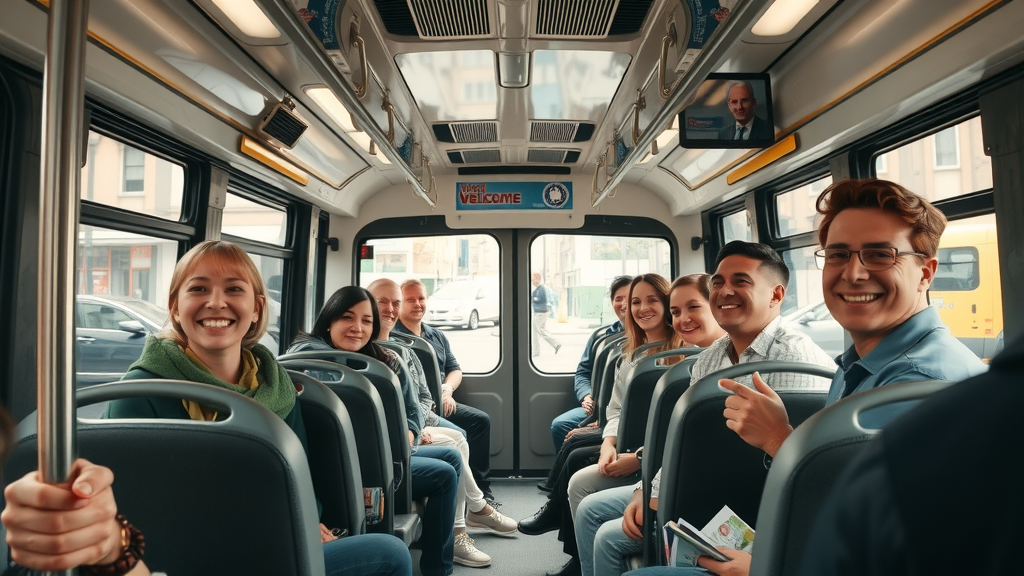
Welcoming public transit scene with smiling riders enjoying comfortable and modern bus interiors, customer experience for riders, urban cityscape visible through windows

What are the foundations of great customer experience for riders?

  • Understanding rider expectations: Success starts with meaningfully listening to the needs and pain points of your core audience.
  • Delivering seamless journeys: Riders value ease—integrated booking, on-time arrivals, and clear communication reduce friction and stress.
  • Prioritizing safety and comfort: Regular vehicle maintenance, polite staff, and clean interiors all contribute to peace of mind and satisfaction.
  • Personalizing service touchpoints: Thoughtful gestures—like greeting frequent riders by name or tailoring updates based on preferences—turn neutral rides into memorable ones.

Key Principles for Exceptional Customer Experience for Riders

Comparative Table: Rider Needs vs. Service Provider Solutions
Rider Needs Service Provider Solutions
Fast, reliable service Optimized scheduling and real-time updates
Feeling safe and secure Visible safety measures, trained staff, clear protocols
Personalized communication Targeted alerts, friendly staff interactions, language options
Seamless payments and onboarding Contactless payment, easy access points, digital tickets

The best-in-class customer experience for riders is built upon core principles: reliability, safety, empathy, and personalization. Service providers that structure their operations around these values consistently outperform those who overlook them. It’s not just about delivering people from point A to point B; it’s about making every step of the journey positive and stress-free. Understanding this mindset encourages team members to see themselves as hosts, not just operators, and to creatively solve challenges.

Utilizing tools like real-time analytics and broad accessibility audits helps organizations better anticipate and meet evolving rider needs. By measuring and improving on what matters most—arrival accuracy, ease of communication, and tailored service—transport providers can fine-tune every dimension of the rider experience. Done right, this multifaceted approach increases satisfaction, reduces complaints, and builds the reputation of transport brands in their communities.

Measuring Satisfaction: Tools and Metrics for Customer Experience for Riders

  • Net Promoter Score (NPS): Captures overall rider loyalty and predicts word-of-mouth impact through a simple 0–10 rating.
  • Real-time feedback options: Onboard QR codes, mobile surveys, and digital kiosks let riders share feedback immediately and directly.
  • Usage analytics: Track peak ride times, repeat customers, and service bottlenecks to inform strategic improvements.
  • Service accessibility audits: Regular reviews ensure all riders, including people with disabilities or language barriers, receive equitable service.
"A memorable customer experience for riders is the greatest driver of loyalty and business growth."

Measuring satisfaction goes far beyond counting complaints. Proactive organizations use a mix of quantitative and qualitative feedback to spot trends, reward staff, and fix emerging issues before they grow. This discipline builds a culture committed to the continuous enhancement of the customer experience for riders . When teams align behind clear metrics, they foster an environment where everyone strives for excellence—and where customers truly notice the difference.

Transformational Touchpoints: Improving the Customer Experience for Riders at Every Step
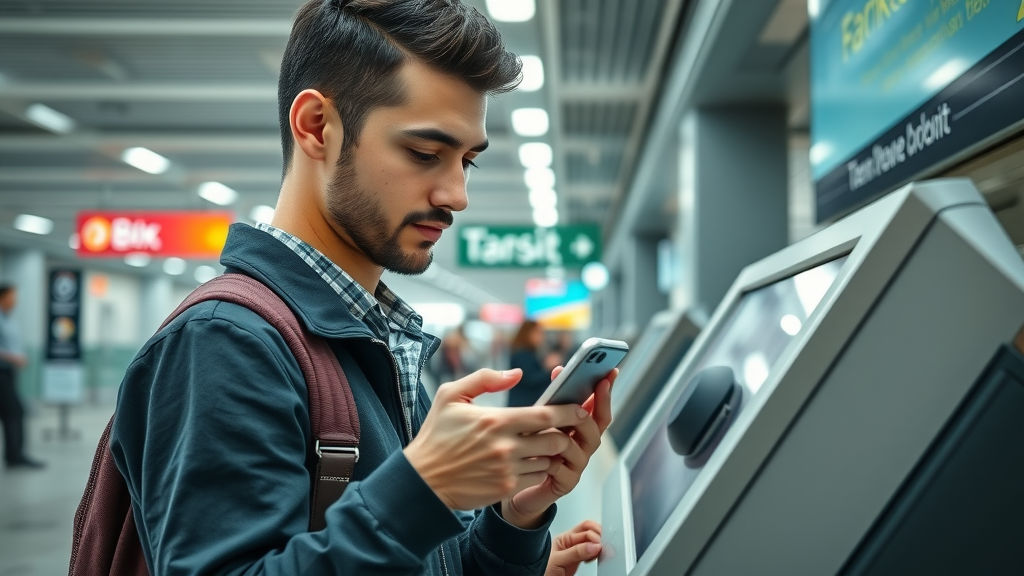
Dynamic interaction at transit kiosk, young professional using mobile phone to book a ride, customer experience for riders, bustling station background with digital screens and commuters

Pre-ride: Booking, Communication, and Anticipation

The pre-ride phase sets the tone for the entire customer experience for riders . Successful transit providers make booking effortless—whether riders prefer apps, websites, or kiosks. Clear, multilingual instructions and real-time schedule updates help eliminate confusion, reduce anxiety, and create a sense of control and anticipation. As soon as a rider considers your service, they should encounter friendly digital interfaces and easy sign-up flows.

Personalized reminders and transparent fare information further strengthen trust and satisfaction. By providing personalized notifications—such as alerts for service changes, route alternatives, or weather-related issues—riders feel supported before they even board. These pre-ride interactions can turn apprehension into excitement, making riders more likely to recommend your service and become regular customers.

During the Ride: Safety, Comfort, and Engagement

Once on board, rider perceptions are shaped by every detail of the journey. Safety, comfort, and engagement are the pillars of an unforgettable in-transit experience. Clean, well-maintained vehicles with intuitive wayfinding signage and clear safety features, such as seat belts and handles, create an environment where riders can relax and focus on their day. For service providers, attentive and courteous staff—along with soft lighting, climate control, and quiet zones—demonstrate a genuine commitment to passenger well-being.
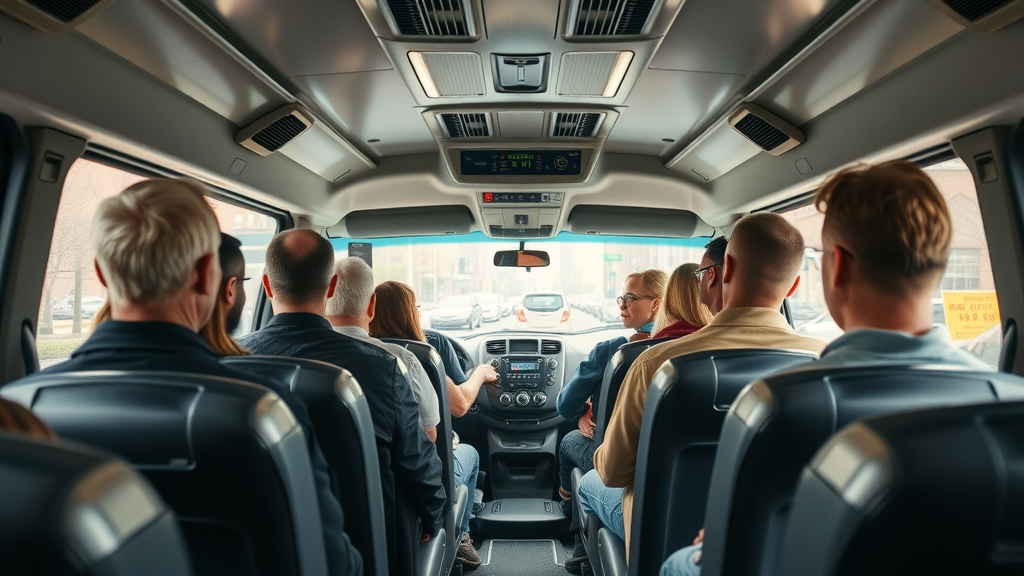
Attentive ride operator with diverse passengers, relaxed and secure, customer experience for riders, spacious clean vehicle interior and safety elements

Engagement shouldn’t end with passive transport. Onboard digital screens, Wi-Fi, and real-time arrival updates help keep riders connected and empowered. Professionals may value power outlets for work, while others appreciate timely announcements or entertainment options. When customers notice that a service caters to their varied needs, their satisfaction grows—and so does the chance they’ll return and advocate for your brand.

Post-ride: Feedback Loops and Relationship Building

The journey doesn’t end when a rider steps off the vehicle. Forward-thinking organizations prioritize strong post-ride communication as a critical component of the customer experience for riders. By systematically collecting feedback through mobile surveys, follow-up emails, or push notifications, teams can quickly identify pain points or celebrate successes.

  • Collecting rider feedback: Enable easy reviews and instant reporting of issues through accessible digital platforms.
  • Prompt issue resolution: Address complaints swiftly with real-time tracking and dedicated support channels, turning negative moments into long-term loyalty.
  • Offering loyalty incentives: Reward frequent riders with discounts, priority services, or referral bonuses to reinforce positive habits and community attachment.

Building genuine relationships with riders after their journey leads to deeper trust and continual improvement. When riders feel heard and appreciated, they are more likely to remain loyal, advocate your brand, and return regularly for future journeys.

Technology’s Role in Shaping the Customer Experience for Riders
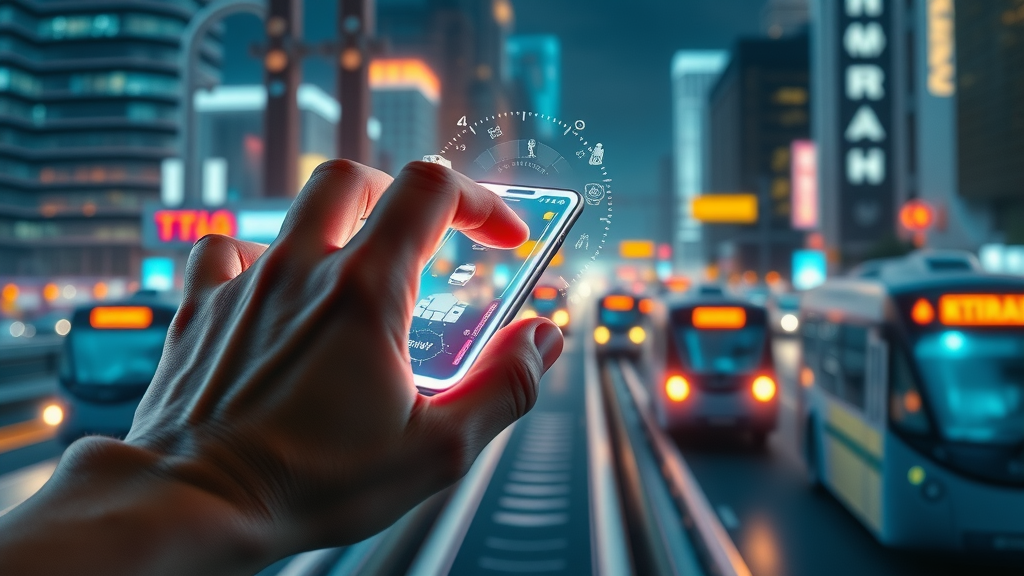
Innovative transportation mobile app interface, user hand interacting, customer experience for riders, futuristic digital city skyline with moving transit vehicles

Mobile Apps & Real-time Tracking

Modern mobile apps have redefined the customer experience for riders. From the palm of their hand, passengers can check real-time transit locations, track estimated arrival times, and receive instant updates about delays or changes. This transparency helps riders plan with confidence, minimizing stress and uncertainty. With push notifications, schedule personalization, and easy access to route maps, mobile technology empowers everyone from daily commuters to first-time users.

Integrating these digital features into the rider journey leads to higher satisfaction rates, as riders now expect technology to provide immediate, accurate, and accessible information. Service providers who embrace mobile-first solutions report fewer complaints, faster incident response times, and a stronger connection with tech-savvy audiences. The result is a more efficient, enjoyable rider experience that reflects the evolving landscape of urban mobility.

Data-driven Personalization and Customization

Harnessing data analytics and artificial intelligence transforms the generic journey into a tailor-made adventure. Transit organizations can analyze rider patterns, preferences, and feedback to predict demand, optimize schedules, and deliver targeted recommendations. For example, an app might suggest faster transfers for regular routes, issue weather-specific alerts, or highlight special promotions based on usage history.

Artificial intelligence analyzing transit data, customer experience for riders, digital dashboard overlays in a futuristic control room

Personalization builds emotional connections, making each rider feel seen and valued. Providers can also use data to spot emerging needs among different demographics, ensuring that services remain inclusive and accessible. Ultimately, data-driven strategies maximize utilization, reduce operational waste, and position the provider as a progressive leader focused on serving every unique rider.

Contactless Payments and Digital Enhancements

The rise of contactless payment technologies has further simplified the customer experience for riders . Riders can now purchase, store, and validate tickets through smartphones, wearable devices, or reloadable smart cards—skipping long lines and cash hassles. These innovations reduce boarding times, minimize physical contact, and streamline daily commutes, making journeys more pleasant from start to finish.

Additional digital enhancements—like mobile-based customer support, instant refunds, or loyalty programs—round out a comprehensive, modernized service offering. Forward-thinking transit organizations recognize these technologies not just as perks but as non-negotiable elements of a truly elevated rider experience in a digital-first world.

People Also Ask

How can companies improve the customer experience for riders?

Companies should begin by truly listening to their riders’ needs through regular feedback and open communication. Investing in staff training, leveraging technology for real-time updates, and streamlining each stage of the journey can deliver immediate improvements. Focusing on safety, comfort, clear communication, and rapid resolution of issues ensures positive, lasting impressions.

What makes a positive customer experience for riders?

A positive customer experience for riders is driven by seamless, stress-free journeys that exceed expectations. This means timely arrivals, friendly service, clean and comfortable environments, and the ability to easily access relevant information. Ultimately, personalized attention and quick support create loyalty and trust, setting great providers apart.

What technologies most impact customer experience for riders?

Technologies such as mobile booking apps, real-time tracking, contactless payment systems, and AI-powered personalization significantly impact the customer experience for riders. These advancements reduce friction, improve reliability, and offer tailored recommendations—making travel more intuitive, efficient, and enjoyable for every rider.

How do rider expectations influence customer experience?

Rider expectations set the standard for service delivery—when providers anticipate and meet these expectations, satisfaction soars. Changes in technology and lifestyle mean riders now expect instant information, safety, flexibility, and digital convenience. Organizations able to adapt rapidly are best positioned to exceed rider needs and earn their loyalty.

Frequently Asked Questions About Customer Experience for Riders

  • What should service providers avoid to ensure positive customer experience for riders? Providers should avoid poor communication, unpredictable schedules, unclean vehicles, and unresponsive support—any of which can seriously undermine trust and satisfaction.
  • How can negative experiences be turned into positive ones? Negative experiences can become positive through prompt acknowledgment, transparent resolution, and genuine gestures of goodwill—such as follow-up messages, compensation, or personalized offers.
  • What metrics are best for tracking rider satisfaction? The most effective metrics include Net Promoter Score (NPS), direct feedback surveys, complaint resolution rates, and real-time usage analytics. These tools provide actionable insights across every stage of the rider journey.

Actionable Steps: Advancing Customer Experience for Riders in Your Organization

  • Audit current rider journeys: Regularly map and evaluate the entire rider experience to uncover pain points and opportunities for improvement.
  • Invest in staff training: Empower frontline employees with skills, empathy, and knowledge to deliver outstanding service every day.
  • Embrace rider feedback for continuous improvement: Create easy, accessible channels for feedback and act promptly on suggestions to demonstrate your commitment to excellence.
"Transformation in customer experience for riders starts with understanding their unique needs and proactively adapting to them."

Final Thoughts on Creating an Unforgettable Customer Experience for Riders

  • Commit to ongoing innovation
  • Prioritize empathy and communication
  • Make every interaction count

Enhancing the customer experience for riders is pivotal in today’s competitive transportation landscape. Implementing effective strategies can significantly boost rider satisfaction and loyalty.

One insightful resource is the article “ Customer Retention: 10 Smart Strategies to Boost Taxi Loyalty ,” which outlines practical approaches such as personalized customer experiences and loyalty programs to encourage repeat rides. Additionally, “ How Uber Delivers Exceptional Customer Experience with ML ” delves into Uber’s use of machine learning to enhance rider experiences through personalized destination suggestions and efficient communication features.

If you’re serious about transforming your impact on rider satisfaction, these resources offer valuable insights and actionable strategies to elevate the customer experience.

Website Design & Branding

83 Views

0 Comments

Write A Comment

*
*
Please complete the captcha to submit your comment.
Related Posts All Posts
09.06.2026

Understand the Impact of UWM Holdings' Legal Troubles Before the Deadline

Update The Importance of Timely Action in Shareholder Litigation For investors of UWM Holdings Corporation, there’s a ticking clock in the realm of securities litigation. Kaplan Fox & Kilsheimer LLP has stepped up to encourage affected shareholders to reach out before the lead plaintiff deadline on October 13, 2026. This case illustrates a crucial lesson in the world of investments: knowledge is power, and timing is everything. Why You Should Care About This Class Action The class action lawsuit filed against UWM Holdings is significant because it not only encapsulates potential investor losses but also highlights the broader risks associated with corporate governance and strategic decisions. Between March 9 and August 5 of this year, UWM reported staggering financial losses following an ill-fated hedging strategy, which left investors caught off guard. Understanding how such events unfold can help investors make more informed decisions in the future. What Happened at UWM Holdings? During a recent earnings call on August 6, UWM's CEO Mathew Ishbia laid bare the company's vulnerabilities, disclosing a $603.2 million loss attributed to its derivatives strategy. Shareholders witnessed a rapid decline in stock value—34.78%, to be exact. These figures don't just reflect a company's financial state; they also echo the sentiments of uncertainty that can ripple through the stock market. It raises an important question: how well do you know the companies in which you invest? Understanding the Risks of Over-Hedging UWM's case uniquely demonstrates the dangers of over-hedging, especially in unpredictable financial climates. When Ishbia spoke of deviating from their traditional risk strategy, he highlighted a corporate misstep with far-reaching implications. It serves as a cautionary tale for investors who may overlook potential risk factors in pursuit of greater returns. Investors must understand not just the performance of their stocks but also the underlying strategies companies employ to remain competitive. Engaging with Legal Support: What You Might Not Know Many investors might not realize the importance of legal counsel in navigating these treacherous waters. Kaplan Fox is inviting investors to step forward without the pressure of becoming lead plaintiffs. This inclusion means that even those who opt not to take center stage can still benefit from any possible recovery from the lawsuit. In a landscape rife with complexities, having experienced legal professionals can turn a daunting process into a feasible path toward recovery. What This Means for Future Investors The future of UWM Holdings may appear uncertain, but for savvy investors, this situation provides a chance to reflect on critical investment strategies. When considering a company, it's essential to analyze not just numbers but the narrative behind those numbers. Ensuring that your investments align with companies that uphold transparency and stability can safeguard your portfolio against unexpected downturns. Final Thoughts: Take Action Now! Investors should heed this call to action before the lead plaintiff deadline. By reaching out to Kaplan Fox, investors can gain insights and consider their options within this legal framework. The stakes are high, and those who act swiftly may turn the tide of potential losses into recoveries. Every day counts—make your voice heard!

08.23.2026

Why Icon Offices' ACSP Registration is Transforming Identity Verification for UK Businesses

Update Icon Offices Takes a Step Towards Enhanced Corporate Services In a significant move for corporate transparency in the United Kingdom, Icon Offices has recently achieved recognition as an Authorised Corporate Service Provider (ACSP) registered with Companies House. This registration not only marks a pivotal moment for Icon Offices but also provides crucial identity verification services that align with the UK’s regulatory framework. Understanding the Role of ACSPs The approval of Icon Offices represents a crucial element in the broader context of UK corporate regulations aimed at strengthening the integrity of the company register. ACSPs are mandated to ensure compliance with Anti-Money Laundering (AML) regulations, promoting a secure environment for business operations. With the rise in corporate fraud and misuse, the introduction of ACSPs like Icon Offices has become essential in safeguarding the credibility of the UK's corporate landscape. Identity Verification: A Crucial Requirement Identity verification is a new requirement that applies to directors, People with Significant Control (PSCs), and other eligible individuals who are associated with UK companies. This is part of a push by the UK government to close loopholes that have previously allowed individuals to misuse corporate entities for illegal activities. Under this new directive, corporate service providers must ensure that proper verification is conducted, maintaining the legitimacy of the companies they support. Accessible Verification Services for Everyone Icon Offices has launched its Companies House Identity Verification Service, which is an exceptional option for both UK residents and international entrepreneurs. This service, starting at just £24.99 including VAT, aims to demystify the verification process. Given that many foreign nationals aspire to establish companies in the UK, the service adds significant value, creating a bridge for global entrepreneurs navigating the corporate landscape. Broader Implications for Businesses The introduction of ACSPs dovetails with the UK government's reform of company law, intended to enhance transparency across the board. By registering as an ACSP, Icon Offices can not only help individuals fulfill their identification requirements but also assist them in the company formation process itself. This multifaceted approach can simplify administrative bottlenecks that often hinder startups and new businesses. What This Means for Business Owners Choosing an ACSP like Icon Offices provides business owners with peace of mind, knowing their identity verification is in capable hands. The UK government underscores the importance of due diligence in selecting an ACSP, advising individuals to consider factors such as reputation, experience, and service offerings. By utilizing Icon Offices as an ACSP, business owners can focus on their core activities while ensuring compliance with regulatory standards. Looking Ahead: The Future of Corporate Services The regulatory landscape is evolving, and with it, the services offered by companies like Icon Offices. As the demands for compliance grow, there will be an increasing reliance on ACSPs to navigate these complexities. Businesses should prepare for a future where streamlined services and fully compliant operations become the standard, enabling them to thrive within the UK’s dynamic business environment. Call to Action: Engaging with Icon Offices As a business or entrepreneur seeking to establish a corporate presence in the UK, relying on an established ACSP like Icon Offices is pivotal. Their expertise provides a roadmap through identity verification and business formation processes, essential for navigating the modern corporate landscape effectively. Don’t let regulatory challenges hold you back — engage with Icon Offices today!

06.14.2025

Rider Feedback and Brand Improvement: Drive Growth Now

Did you know that brands implementing real-time customer feedback strategies grow revenue up to 25% faster than those that don’t? In the fiercely competitive world of taxi apps and urban transportation, rider feedback and brand improvement aren’t just buzzwords—they are what separates lasting success from missed opportunities. Harnessing genuine insights directly from your riders can turn good experiences into great ones, elevate customer satisfaction, and spark brand loyalty that propels lasting growth. Let’s dive into how you can transform feedback into your brand’s competitive advantage. After reading, you’ll understand: How real-time rider feedback fuels brand improvement and customer loyalty Innovative strategies for gathering actionable customer feedback The link between customer experience, satisfaction, and revenue growth Best practices borrowed from leading taxi apps The Crucial Role of Rider Feedback and Brand Improvement in the Mobility Industry In today’s rapidly evolving mobility landscape, where taxi apps compete to offer the best customer experience , the focus on rider feedback and brand improvement has never been more essential. Modern riders expect seamless, personalized, and responsive service—something only possible when companies actively listen to their users. Genuine feedback isn’t just an opportunity for incremental fixes; it unlocks transformative innovation that fuels both customer loyalty and business resilience. Brands that embrace a culture of listening drive industry leadership by turning insights into action. They don’t just wait for complaints—they proactively ask, analyze, and respond. Whether it’s implementing a better rating system for uber drivers and lyft drivers or rolling out new payment methods, real-time customer feedback enables quick adaptation. The result? Higher customer satisfaction , increased retention, and improved bottom lines. Breaking Down Customer Experience and Satisfaction The terms customer experience and customer satisfaction are often used interchangeably in blog posts, but there’s a crucial distinction. Customer experience encompasses every interaction—booking rides, payment, driver demeanor, and resolution of issues. A single negative touchpoint, such as delayed customer support or a technical bug, can significantly impact satisfaction and engagement. Positive user experience hinges on seamless functionality, clear communication, and reliable service from the first tap to the last mile. Capturing and acting upon rider feedback enables brands to identify where friction occurs and what delights or frustrates users. For instance, if riders consistently mention an app usability issue or unreliable payment methods, swift improvements can transform mediocre interactions into outstanding ones—turning pain points into opportunities for growth. In short, elevated customer satisfaction is born from a commitment to constant listening and swift action on what matters most to riders. From Rider Feedback to Action: The Path to Customer Satisfaction The journey from collecting rider feedback to realizing brand improvement begins with a culture of responsiveness. A taxi app that truly listens and adapts to user needs reaps the rewards of higher customer satisfaction . Take, for example, feedback from a rider encountering an unresponsive app interface: prioritizing a technical fix rapidly translates into better app usability, fostering trust and enhancing the overall user experience. Beyond quick fixes, thoughtful brands act on long-term suggestions, such as new service features or enhanced customer support. Integrating this insight ensures their product stays aligned with evolving expectations. This proactive approach is not just about problem-solving—it’s about building loyalty and delivering consistent excellence. In the end, the most successful mobility companies leverage rider feedback and brand improvement to advance their services and sustain growth even in a competitive market. Feedback Type Brand Improvement Action Resulting Customer Experience Fast driver response Driver training Increased satisfaction App bug report Technical fix Higher app usability Service suggestion Service addition Broadened loyalty Customer Loyalty: Why Rider Feedback and Brand Improvement Shape Retention Building a base of loyal customers in the urban transportation sector is more than clever marketing; it’s the result of rider feedback and brand improvement working hand-in-hand. Repeatedly, customers who feel heard and valued by their favorite taxi app demonstrate higher retention and are far less likely to switch providers. Loyalty is about more than ride discounts—it's about consistent customer experience that meets and exceeds expectations at every step. Leading taxi apps like Uber and Lyft give drivers and riders a voice, using advanced platforms to capture, analyze, and act on feedback in real-time. As these companies personalize experiences—remembering favorite routes, payment methods, or rider preferences—they humanize the journey. This personalization, born from actionable feedback, transforms generic service into long-lasting relationships that significantly increase customer trust and brand equity. Turning Insights Into Lasting Relationships The smartest brands don’t merely fix issues—they build deeper connections through insight-driven experiences. Implementing loyalty programs based on what riders care about, or tailoring communication to individual needs, makes customers feel understood and appreciated, which boosts both engagement and frequency of use. Brands that recognize and reward loyalty not only retain riders but transform them into enthusiastic advocates. For instance, offering personalized perks based on ride frequency or user preferences demonstrates a meaningful commitment to satisfaction and engagement . By continually investing in these feedback loops, taxi apps not only increase their retention rates but also foster trust—an irreplaceable asset in any industry striving for sustainable growth. Implementing loyalty programs based on rider feedback Personalizing experiences with riders’ preferences Best Practices: Leveraging Customer Feedback to Drive Brand Improvement in Taxi Apps To stay ahead in a competitive market, taxi apps must transform raw feedback into actionable strategies. The most successful brands employ best practices that bring customer insight to life, from the initial point of contact to ongoing enhancements. This doesn’t just enhance customer support —it drives continual brand improvement and places the rider at the heart of every business decision. Whether acting on comments from a social media post or analyzing trends through sentiment analysis, industry leaders treat feedback as the starting point for innovation. The real secret lies in their agility: they test, iterate, and implement improvements before the competition. This culture of responsiveness and adaptability not only fuels higher customer satisfaction but establishes undeniable authority in the urban mobility ecosystem. Effective Channels: How to Gather Customer Feedback Gathering high-value customer feedback is both an art and a science for modern taxi apps. The most effective brands leverage a variety of touchpoints to capture rider sentiment as accurately as possible. In-app surveys, for example, integrate seamlessly into the post-ride experience and yield honest opinions in real-time. Others utilize robust rating systems that blend quantitative metrics with open-ended comments, providing actionable data as well as emotional insight. Live chat and customer support help resolve issues and foster two-way dialogue, while AI-driven tools—like automated sentiment analysis—surface emerging trends by scanning thousands of rider comments across platforms. Social media channels act as an open forum for transparent conversations and rapid response. Each method has its strengths, but together, they create a holistic, always-on feedback engine that empowers brands to react and innovate faster than ever before. In-app surveys Post-ride rating systems Live chat and customer support Social media monitoring AI-driven sentiment analysis App Usability: Turning Feedback Into Seamless Experiences One of the most tangible impacts of rider feedback and brand improvement is superior app usability . Today’s riders demand interfaces that are fast, intuitive, and glitch-free. By listening closely to real users—especially those who highlight friction points—developers can prioritize updates that directly address usability pain points, ensuring a frictionless user journey from booking to payment and support. Empowering riders to quickly share app-specific suggestions, whether via quick polls or dedicated channels, ensures that no usability issue goes unnoticed. Brands who succeed in this arena build reputations for reliability and convenience, crucial pillars for earning repeat business. In the end, prioritizing user experience through continuous improvement sets industry benchmarks and elevates standards across the sector. Real-World Examples: Success Stories of Rider Feedback and Brand Improvement The most compelling argument for prioritizing rider feedback and brand improvement comes from real-world statistics and stories. For example, an executive from a leading taxi app said: "Our loyalty rates doubled after we introduced a feedback-driven loyalty program and improved our support speed." – Executive, Leading Taxi App This approach isn’t unique; global leaders consistently attribute increased retention and customer loyalty to a fast, focused response to feedback. Analyzing rider suggestions and pain points led some apps to revamp payment options, others to launch upgraded customer support channels, and some even to offer new tiers of service. These improvements result not just in short-term wins but in stronger word-of-mouth marketing, sustained usage, and industry leadership. Brand Key Feedback Focus Measured Result AppX Payment options +25% in new riders AppY Driver etiquette Higher retention by 18% AppZ Support responsiveness Higher NPS (Net Promoter Score) See How Customer Experience Innovation Drives Growth in Taxi Apps – (Video 1) Measuring Success: Tracking the Impact of Rider Feedback and Brand Improvement Quantifying the results of rider feedback and brand improvement strategies is key to justifying investment and sustaining momentum. Leading taxi app platforms rely on dashboards tracking KPIs like customer satisfaction scores, app usability metrics, support response times, and churn rates. These metrics provide a clear picture of where feedback loops are working—and where more effort is needed. Data-driven brands set themselves apart by correlating feedback trends with business outcomes. A sudden increase in low ratings signals the need for urgent investigation, while consistently high satisfaction metrics reassure stakeholders that support and improvement efforts are paying off. By tying feedback to measurable results, brands continuously fine-tune their approach, ensuring customer trust remains at the center of strategic decisions. How Data-Driven Decision-Making Elevates Customer Support Combining big data and authentic rider feedback allows brands to make well-informed customer support enhancements. Instead of guessing at the root cause of dissatisfaction, support teams can pinpoint pain points and allocate resources where they matter most. For instance, if riders repeatedly mention confusion with a feature, targeted tutorials or proactive communication can close the gap rapidly. Ultimately, leveraging analytics doesn’t just empower faster fixes—it encourages a proactive, rather than reactive, customer service culture. Delivering a seamless experience becomes a standard expectation, not an occasional surprise, as organizations use feedback as an engine for continuous operational improvement. Overcoming Challenges: Tackling Negative Rider Feedback for Brand Improvement Avoiding negative feedback is impossible in the taxi app world, but transformational brands see complaints as a gift—a direct line to improvement. When a customer flags an issue, it’s a golden opportunity to showcase exceptional service, win the rider’s trust, and uncover systemic flaws that could affect others. This approach transforms a potential blemish on your record into a springboard for positive change and deeper loyalty. There are inevitable moments when drivers struggle or technology stumbles, but how quickly and empathetically those moments are resolved defines the brand’s story. Developing a robust response plan and empowering the customer support team to act decisively ensures every concern is seen, heard, and addressed—ultimately elevating your reputation. “Every complaint is a gift—each one is a window to level up customer experience.” – CX Thought Leader Common Missteps: What to Avoid in Managing Rider Feedback and Brand Improvement Mismanaging feedback can quickly send brands off track, risking alienation of loyal users or missing out on high-impact changes. One frequent pitfall is ignoring silent complaints —those low ratings that don’t come with comments. They represent quiet dissatisfaction, hinting at deeper issues beneath the surface. Another is relying solely on quantitative rating metrics at the expense of in-depth, qualitative observations. Slow customer support or app teams with delayed responses can create frustration, causing users to defect to competitors. Overcorrection, such as rolling out drastic changes all at once, can also unsettle loyal riders used to a particular flow. The top brands balance steady, incremental improvements with clear communication to guide their communities through every adjustment. Ignoring silent complaints—low ratings with no comments Relying only on quantitative metrics while neglecting comments Delayed response from customer support or app teams Changing too much, too fast—alienating loyal users The Future of Rider Feedback and Brand Improvement for Taxi Apps The next decade in urban mobility will be defined by how brands embrace technology to supercharge their rider feedback and brand improvement strategies. AI-driven sentiment analysis, automated support bots, smart prediction tools, and customized in-app journeys will soon become industry standards. As feedback loops become faster and more intelligent, the ability to predict rider needs and delight users will skyrocket. Brands preparing for tomorrow are already testing these technologies, using feedback to personalize not just the user interface but also the entire mobility experience. The end goal remains unchanged: seamless experience , lasting customer loyalty , and unassailable industry leadership. Embracing Technology: AI, Automation, and the Rider Experience Artificial intelligence and automation are revolutionizing how brands manage, analyze, and act on rider feedback . From chatbots that deliver instant support to advanced dashboards that aggregate vast amounts of sentiment data, these innovations empower companies to stay one step ahead of competition and user expectations. The result: faster resolutions, more relevant improvements, and a deeply engaged rider base. As these tools mature, the potential for hyper-personalized experiences—tailored ride suggestions, adaptive loyalty perks, and predictive support—will only increase, cementing the role of dynamic feedback as the heartbeat of brand improvement in the future of urban transportation. People Also Ask: Insights on Rider Feedback and Brand Improvement How does rider feedback influence brand improvement in taxi apps? Rider feedback provides direct, actionable insights into what users appreciate and where pain points exist within taxi apps. By analyzing this feedback, brands identify necessary improvements in services, support, and technology. Proactively acting on feedback leads to continuous enhancements, which foster customer trust, satisfaction, and industry leadership. What are the best ways taxi apps can collect rider feedback efficiently? Taxi apps can collect feedback efficiently by integrating in-app surveys, utilizing post-ride rating systems, and offering live chat support. Monitoring social media channels and leveraging AI-driven sentiment analysis also ensures that brands capture a comprehensive view of user sentiment across touchpoints. These approaches create a complete feedback loop that is both timely and actionable. Why is customer loyalty important for brand growth in mobility? Customer loyalty is the foundation of sustainable growth in mobility. Loyal riders are less likely to switch providers, more engaged with new features, and active in spreading positive word-of-mouth about the brand. This not only boosts retention and repeat business but also protects the brand against market fluctuations and competitive pressure. Frequently Asked Questions on Rider Feedback and Brand Improvement What steps can taxi apps take to act quickly on negative feedback? Taxi apps should acknowledge all negative feedback promptly, empower support teams to resolve issues in real time, and communicate transparently about corrective actions. Establishing an efficient ticketing and escalation process ensures users feel heard and valued throughout. How can rider feedback be used to enhance app usability and functionality? Feedback pinpoints specific pain points, such as confusing navigation or persistent bugs. By tracking these concerns systematically, brands can prioritize bug fixes and usability improvements that yield the greatest impact on rider satisfaction and long-term engagement. Is customer support most effective when automated or personalized? The best customer support blends automation for speed and efficiency with personalized responses for complex or emotional issues. Automation handles common queries instantly, while human support is essential for empathy, creative problem-solving, and building lasting customer loyalty. Key Takeaways on Rider Feedback and Brand Improvement Rider feedback drives continual brand improvement, impacting customer satisfaction, loyalty, and revenue. Proactive customer support and app usability upgrades based on honest feedback set leading brands apart. Embracing new technologies enhances the feedback cycle for better customer experience and business resilience. Strengthen Your Brand—Start Listening to Your Riders Today Focus on genuine rider feedback and brand improvement today—invest in smarter tools, empower your teams, and build systems to act on every insight. It’s your route to building an unshakeable brand, market dominance, and unparalleled customer loyalty in the world of taxi apps. To further explore the significance of rider feedback and brand improvement in the mobility industry, consider the following resources: “What Riders Want: Insights from Customer Feedback on Taxi Apps” ( appicial.com ) This article delves into key aspects such as affordability, transparency, and safety, highlighting how rider feedback shapes service enhancements in taxi applications. “How Can Customer Feedback Drive Business Growth and Improvement?” ( b2bdaily.com ) This piece discusses strategies for collecting and acting on customer feedback to foster business growth, emphasizing the importance of engaging with customers on social media and expanding product offerings based on their input. By integrating these insights, you can develop a comprehensive approach to leveraging rider feedback for brand improvement and sustained growth.

We believe great marketing starts with trust — especially in the motorcycle world.

At SeamanDan LLC, we specialize in helping motorcycle personal injury law firms build brands that resonate with riders and drive high-value case leads.

We know that the motorcycle community is different. Riders don’t trust just any lawyer — and they certainly don’t trust spammy ads or stock-photo websites. They trust those who understand their world and respect their values: loyalty, authenticity, and community.

That’s where we come in. Our team brings together:

.  Deep expertise in digital marketing for personal injury law firms
.  A rider-first perspective on branding and community engagement
.  Proven experience helping motorcycle-focused law firms dominate local search and grow sustainably.

Whether you’re sponsoring rallies, building connections with local clubs, or simply want your digital presence to match your commitment to riders, we help you create a marketing engine that reflects who you are — and earns the trust of the community you serve.

We don’t do generic legal marketing. We help motorcycle lawyers ride ahead of the pack — with marketing that actually works.

Ready to take your practice to the next level?
Let’s talk.

© 2026 SeamanDan LLC All Rights Reserved. 810 N Main St #187, Spearfish, SD 57783 . Contact Us . Terms of Service . Privacy Policy

eyJjb21wYW55IjoiU2VhbWFuRGFuIExMQyIsImFkZHJlc3MiOiI4MTAgTiBNYWluIFN0ICMxODciLCJjaXR5IjoiIFNwZWFyZmlzaCIsInN0YXRlIjoiU0QiLCJ6aXAiOiI1Nzc4MyIsImVtYWlsIjoic2VhbWFuZGFuQHNlYW1hbmRhbi5jb20iLCJ0b3MiOiJQSEErUEhOMGNtOXVaejQ4WlcwK1YyaGxiaUI1YjNVZ2MybG5iaTFwYmlCM2FYUm9JSFZ6TENCNWIzVWdZWEpsSUdkcGRtbHVaeVp1WW5Od095QjViM1Z5SUhCbGNtMXBjM05wYjI0Z1lXNWtJR052Ym5ObGJuUWdkRzhnYzJWdVpDQjViM1VnWlcxaGFXd2dZVzVrTDI5eUlGTk5VeUIwWlhoMElHMWxjM05oWjJWekxpQkNlU0JqYUdWamEybHVaeUIwYUdVZ1ZHVnliWE1nWVc1a0lFTnZibVJwZEdsdmJuTWdZbTk0SUdGdVpDQmllU0J6YVdkdWFXNW5JR2x1SUhsdmRTQmhkWFJ2YldGMGFXTmhiR3g1SUdOdmJtWnBjbTBnZEdoaGRDQjViM1VnWVdOalpYQjBJR0ZzYkNCMFpYSnRjeUJwYmlCMGFHbHpJR0ZuY21WbGJXVnVkQzQ4TDJWdFBqd3ZjM1J5YjI1blBqd3ZjRDRLQ2p4d1BtaDBkSEJ6T2k4dlptTnRieTV6WldGdFlXNWtZVzR1WTI5dEwySnBhMlZ5YkdGM1BDOXdQZ29LUEhBK0ptNWljM0E3UEM5d1Bnb0tQSEErUEhOMGNtOXVaejVUUlZKV1NVTkZQQzl6ZEhKdmJtYytQQzl3UGdvS1BIQStWMlVnY0hKdmRtbGtaU0JoSUhObGNuWnBZMlVnZEdoaGRDQmpkWEp5Wlc1MGJIa2dZV3hzYjNkeklIbHZkU0IwYnlCeVpXTmxhWFpsSUhKbGNYVmxjM1J6SUdadmNpQm1aV1ZrWW1GamF5d2dZMjl0Y0dGdWVTQnBibVp2Y20xaGRHbHZiaXdnY0hKdmJXOTBhVzl1WVd3Z2FXNW1iM0p0WVhScGIyNHNJR052YlhCaGJua2dZV3hsY25SekxDQmpiM1Z3YjI1ekxDQmthWE5qYjNWdWRITWdZVzVrSUc5MGFHVnlJRzV2ZEdsbWFXTmhkR2x2Ym5NZ2RHOGdlVzkxY2lCbGJXRnBiQ0JoWkdSeVpYTnpJR0Z1WkM5dmNpQmpaV3hzZFd4aGNpQndhRzl1WlNCdmNpQmtaWFpwWTJVdUlGbHZkU0IxYm1SbGNuTjBZVzVrSUdGdVpDQmhaM0psWlNCMGFHRjBJSFJvWlNCVFpYSjJhV05sSUdseklIQnliM1pwWkdWa0lDWnhkVzkwTzBGVExVbFRKbkYxYjNRN0lHRnVaQ0IwYUdGMElIZGxJR0Z6YzNWdFpTQnVieUJ5WlhOd2IyNXphV0pwYkdsMGVTQm1iM0lnZEdobElIUnBiV1ZzYVc1bGMzTXNJR1JsYkdWMGFXOXVMQ0J0YVhNdFpHVnNhWFpsY25rZ2IzSWdabUZwYkhWeVpTQjBieUJ6ZEc5eVpTQmhibmtnZFhObGNpQmpiMjF0ZFc1cFkyRjBhVzl1Y3lCdmNpQndaWEp6YjI1aGJHbDZZWFJwYjI0Z2MyVjBkR2x1WjNNdVBDOXdQZ29LUEhBK1dXOTFJR0Z5WlNCeVpYTndiMjV6YVdKc1pTQm1iM0lnYjJKMFlXbHVhVzVuSUdGalkyVnpjeUIwYnlCMGFHVWdVMlZ5ZG1salpTQmhibVFnZEdoaGRDQmhZMk5sYzNNZ2JXRjVJR2x1ZG05c2RtVWdkR2hwY21RZ2NHRnlkSGtnWm1WbGN5QW9jM1ZqYUNCaGN5QlRUVk1nZEdWNGRDQnRaWE56WVdkbGN5d2dTVzUwWlhKdVpYUWdjMlZ5ZG1salpTQndjbTkyYVdSbGNpQnZjaUJqWld4c2RXeGhjaUJoYVhKMGFXMWxJR05vWVhKblpYTXBMaUJaYjNVZ1lYSmxJSEpsYzNCdmJuTnBZbXhsSUdadmNpQjBhRzl6WlNCbVpXVnpMQ0JwYm1Oc2RXUnBibWNnZEdodmMyVWdabVZsY3lCaGMzTnZZMmxoZEdWa0lIZHBkR2dnZEdobElHUnBjM0JzWVhrZ2IzSWdaR1ZzYVhabGNua2diMllnWldGamFDQlRUVk1nZEdWNGRDQnRaWE56WVdkbElITmxiblFnZEc4Z2VXOTFJR0o1SUhWekxpQkpiaUJoWkdScGRHbHZiaXdnZVc5MUlHMTFjM1FnY0hKdmRtbGtaU0JoYm1RZ1lYSmxJSEpsYzNCdmJuTnBZbXhsSUdadmNpQmhiR3dnWlhGMWFYQnRaVzUwSUc1bFkyVnpjMkZ5ZVNCMGJ5QmhZMk5sYzNNZ2RHaGxJRk5sY25acFkyVWdZVzVrSUhKbFkyVnBkbVVnZEdobElGTk5VeUIwWlhoMElHMWxjM05oWjJWekxpQlhaU0JrYnlCdWIzUWdZMmhoY21kbElHRnVlU0JtWldWeklHWnZjaUJrWld4cGRtVnllU0J2WmlCbGJXRnBiQ0J2Y2lCVFRWTXVJRlJvYVhNZ2FYTWdZU0JtY21WbElITmxjblpwWTJVZ2NISnZkbWxrWldRZ1lua2dkWE11SUVodmQyVjJaWElzSUhCc1pXRnpaU0JqYUdWamF5QjNhWFJvSUhsdmRYSWdhVzUwWlhKdVpYUWdjMlZ5ZG1salpTQndjbTkyYVdSbGNpQmhibVFnWTJWc2JIVnNZWElnWTJGeWNtbGxjaUJtYjNJZ1lXNTVJR05vWVhKblpYTWdkR2hoZENCdFlYa2dhVzVqZFhJZ1lYTWdZU0J5WlhOMWJIUWdabkp2YlNCeVpXTmxhWFpwYm1jZ1pXMWhhV3dnWVc1a0lGTk5VeUIwWlhoMElHMWxjM05oWjJWeklIUm9ZWFFnZDJVZ1pHVnNhWFpsY2lCMWNHOXVJSGx2ZFhJZ2IzQjBMV2x1SUdGdVpDQnlaV2RwYzNSeVlYUnBiMjRnZDJsMGFDQnZkWElnWlcxaGFXd2dZVzVrSUZOTlV5QnpaWEoyYVdObGN5NGdXVzkxSUdOaGJpQmpZVzVqWld3Z1lYUWdZVzU1SUhScGJXVXVJRXAxYzNRZ2RHVjRkQ0FtY1hWdmREdFRWRTlRSm5GMWIzUTdJSFJ2SUR4b2FXZG9iR2xuYUhRZ1kyeGhjM005SW1OdmJYQmhibmxRYUc5dVpWVndaR0YwWlNJK05qQTFMVE0wTUMweE9UYzJQQzlvYVdkb2JHbG5hSFErTGlCQlpuUmxjaUI1YjNVZ2MyVnVaQ0IwYUdVZ1UwMVRJRzFsYzNOaFoyVWdKbkYxYjNRN1UxUlBVQ1p4ZFc5ME95QjBieUIxY3l3Z2QyVWdkMmxzYkNCelpXNWtJSGx2ZFNCaGJpQlRUVk1nYldWemMyRm5aU0IwYnlCamIyNW1hWEp0SUhSb1lYUWdlVzkxSUdoaGRtVWdZbVZsYmlCMWJuTjFZbk5qY21saVpXUXVJRUZtZEdWeUlIUm9hWE1zSUhsdmRTQjNhV3hzSUc1dklHeHZibWRsY2lCeVpXTmxhWFpsSUZOTlV5QnRaWE56WVdkbGN5Qm1jbTl0SUhWekxqd3ZjRDRLQ2p4d1BqeHpkSEp2Ym1jK1dVOVZVaUJTUlVkSlUxUlNRVlJKVDA0Z1QwSk1TVWRCVkVsUFRsTThMM04wY205dVp6NDhMM0ErQ2dvOGNENUpiaUJqYjI1emFXUmxjbUYwYVc5dUlHOW1JSGx2ZFhJZ2RYTmxJRzltSUhSb1pTQlRaWEoyYVdObExDQjViM1VnWVdkeVpXVWdkRzg2UEM5d1Bnb0tQRzlzUGdvSlBHeHBQbkJ5YjNacFpHVWdkSEoxWlN3Z1lXTmpkWEpoZEdVc0lHTjFjbkpsYm5RZ1lXNWtJR052YlhCc1pYUmxJR2x1Wm05eWJXRjBhVzl1SUdGaWIzVjBJSGx2ZFhKelpXeG1JR0Z6SUhCeWIyMXdkR1ZrSUdKNUlIUm9aU0JUWlhKMmFXTmxKaU16T1R0eklISmxaMmx6ZEhKaGRHbHZiaUJtYjNKdElDaHpkV05vSUdsdVptOXliV0YwYVc5dUlHSmxhVzVuSUhSb1pTQW1jWFZ2ZER0U1pXZHBjM1J5WVhScGIyNGdSR0YwWVNaeGRXOTBPeWtnWVc1a1BDOXNhVDRLQ1R4c2FUNXRZV2x1ZEdGcGJpQmhibVFnY0hKdmJYQjBiSGtnZFhCa1lYUmxJSFJvWlNCU1pXZHBjM1J5WVhScGIyNGdSR0YwWVNCMGJ5QnJaV1Z3SUdsMElIUnlkV1VzSUdGalkzVnlZWFJsTENCamRYSnlaVzUwSUdGdVpDQmpiMjF3YkdWMFpTNGdTV1lnZVc5MUlIQnliM1pwWkdVZ1lXNTVJR2x1Wm05eWJXRjBhVzl1SUhSb1lYUWdhWE1nZFc1MGNuVmxMQ0JwYm1GalkzVnlZWFJsTENCdWIzUWdZM1Z5Y21WdWRDQnZjaUJwYm1OdmJYQnNaWFJsTENCdmNpQjNaU0JvWVhabElISmxZWE52Ym1GaWJHVWdaM0p2ZFc1a2N5QjBieUJ6ZFhOd1pXTjBJSFJvWVhRZ2MzVmphQ0JwYm1admNtMWhkR2x2YmlCcGN5QjFiblJ5ZFdVc0lHbHVZV05qZFhKaGRHVXNJRzV2ZENCamRYSnlaVzUwSUc5eUlHbHVZMjl0Y0d4bGRHVXNJSGRsSUdoaGRtVWdkR2hsSUhKcFoyaDBJSFJ2SUhOMWMzQmxibVFnYjNJZ1BITjBjbTl1Wno0OGMzQmhiaUJ6ZEhsc1pUMGlZMjlzYjNJNkkwWkdNREF3TURzaVBuUmxjbTFwYm1GMFpTQjViM1Z5SUdGalkyOTFiblF2Y0hKdlptbHNaU0JoYm1RZ2NtVm1kWE5sSUdGdWVTQmhibVFnWVd4c0lHTjFjbkpsYm5RZ2IzSWdablYwZFhKbElIVnpaU0J2WmlCMGFHVWdVMlZ5ZG1salpTQW9iM0lnWVc1NUlIQnZjblJwYjI0Z2RHaGxjbVZ2WmlrdVBDOXpjR0Z1UGp3dmMzUnliMjVuUGp3dmJHaytDand2YjJ3K0NnbzhjRDRtYm1KemNEczhMM0ErQ2p4b2FXZG9iR2xuYUhRZ1kyeGhjM005SW1OdmJYQmhibmxPWVcxbFZYQmtZWFJsSWo1VFpXRnRZVzVFWVc0Z1RFeERQQzlvYVdkb2JHbG5hSFErUEdKeUlDOCtDanhvYVdkb2JHbG5hSFFnWTJ4aGMzTTlJbU52YlhCaGJubEJaR1J5WlhOelZYQmtZWFJsSWo0NE1UQWdUaUJOWVdsdUlGTjBJQ014T0Rjc0lGTndaV0Z5Wm1semFDd2dVMFFnTlRjM09ETThMMmhwWjJoc2FXZG9kRDQ4WW5JZ0x6NEtQR2hwWjJoc2FXZG9kQ0JqYkdGemN6MGlZMjl0Y0dGdWVWQm9iMjVsVlhCa1lYUmxJajQyTURVdE16UXdMVEU1TnpZOEwyaHBaMmhzYVdkb2RENDhZbklnTHo0S1BHaHBaMmhzYVdkb2RDQmpiR0Z6Y3owaVkyOXRjR0Z1ZVVWdFlXbHNWWEJrWVhSbElqNXpaV0Z0WVc1a1lXNUFjMlZoYldGdVpHRnVMbU52YlR3dmFHbG5hR3hwWjJoMFBnPT0iLCJwcml2YWN5IjoiUEhBK1BITjBjbTl1Wno1UVVrbFdRVU5aUEM5emRISnZibWMrUEM5d1Bnb0tQSEErUEhOMGNtOXVaejVVYUdVZ2FXNW1iM0p0WVhScGIyNGdjSEp2ZG1sa1pXUWdaSFZ5YVc1bklIUm9hWE1nY21WbmFYTjBjbUYwYVc5dUlHbHpJR3RsY0hRZ2NISnBkbUYwWlNCaGJtUWdZMjl1Wm1sa1pXNTBhV0ZzTENCaGJtUWdkMmxzYkNCdVpYWmxjaUJpWlNCa2FYTjBjbWxpZFhSbFpDd2dZMjl3YVdWa0xDQnpiMnhrTENCMGNtRmtaV1FnYjNJZ2NHOXpkR1ZrSUdsdUlHRnVlU0IzWVhrc0lITm9ZWEJsSUc5eUlHWnZjbTB1SUZSb2FYTWdhWE1nYjNWeUlHZDFZWEpoYm5SbFpTNDhMM04wY205dVp6NDhMM0ErQ2dvOGNENDhjM1J5YjI1blBrbE9SRVZOVGtsVVdUd3ZjM1J5YjI1blBqd3ZjRDRLQ2p4d1BqeGxiVDVaYjNVZ1lXZHlaV1VnZEc4Z2FXNWtaVzF1YVdaNUlHRnVaQ0JvYjJ4a0lIVnpMQzRnWVc1a0lHbDBjeUJ6ZFdKemFXUnBZWEpwWlhNc0lHRm1abWxzYVdGMFpYTXNJRzltWm1salpYSnpMQ0JoWjJWdWRITXNJR052TFdKeVlXNWtaWEp6SUc5eUlHOTBhR1Z5SUhCaGNuUnVaWEp6TENCaGJtUWdaVzF3Ykc5NVpXVnpMQ0JvWVhKdGJHVnpjeUJtY205dElHRnVlU0JqYkdGcGJTQnZjaUJrWlcxaGJtUXNJR2x1WTJ4MVpHbHVaeUJ5WldGemIyNWhZbXhsSUdGMGRHOXlibVY1Y3lZak16azdJR1psWlhNc0lHMWhaR1VnWW5rZ1lXNTVJSFJvYVhKa0lIQmhjblI1SUdSMVpTQjBieUJ2Y2lCaGNtbHphVzVuSUc5MWRDQnZaaUJEYjI1MFpXNTBJSGx2ZFNCeVpXTmxhWFpsTENCemRXSnRhWFFzSUhKbGNHeDVMQ0J3YjNOMExDQjBjbUZ1YzIxcGRDQnZjaUJ0WVd0bElHRjJZV2xzWVdKc1pTQjBhSEp2ZFdkb0lIUm9aU0JUWlhKMmFXTmxMQ0I1YjNWeUlIVnpaU0J2WmlCMGFHVWdVMlZ5ZG1salpTd2dlVzkxY2lCamIyNXVaV04wYVc5dUlIUnZJSFJvWlNCVFpYSjJhV05sTENCNWIzVnlJSFpwYjJ4aGRHbHZiaUJ2WmlCMGFHVWdWRTlUTENCdmNpQjViM1Z5SUhacGIyeGhkR2x2YmlCdlppQmhibmtnY21sbmFIUnpJRzltSUdGdWIzUm9aWEl1UEM5bGJUNDhMM0ErQ2dvOGNENDhjM1J5YjI1blBrUkpVME5NUVVsTlJWSWdUMFlnVjBGU1VrRk9WRWxGVXp3dmMzUnliMjVuUGp3dmNENEtDanh3UGp4emRISnZibWMrV1U5VklFVllVRkpGVTFOTVdTQlZUa1JGVWxOVVFVNUVJRUZPUkNCQlIxSkZSU0JVU0VGVU9qd3ZjM1J5YjI1blBqd3ZjRDRLQ2p4dmJENEtDVHhzYVQ1WlQxVlNJRlZUUlNCUFJpQlVTRVVnVTBWU1ZrbERSU0JKVXlCQlZDQlpUMVZTSUZOUFRFVWdVa2xUU3k0Z1ZFaEZJRk5GVWxaSlEwVWdTVk1nVUZKUFZrbEVSVVFnVDA0Z1FVNGdKbkYxYjNRN1FWTWdTVk1tY1hWdmREc2dRVTVFSUNaeGRXOTBPMEZUSUVGV1FVbE1RVUpNUlNaeGRXOTBPeUJDUVZOSlV5NGdMQzRnUVU1RUlGVlRMQ0JKVkNZak16azdVeUJEVlZOVVQwMUZVbE1zSUVWWVVGSkZVMU5NV1NCRVNWTkRURUZKVFZNZ1FVeE1JRmRCVWxKQlRsUkpSVk1nVDBZZ1FVNVpJRXRKVGtRc0lGZElSVlJJUlZJZ1JWaFFVa1ZUVXlCUFVpQkpUVkJNU1VWRUxDQkpUa05NVlVSSlRrY3NJRUpWVkNCT1QxUWdURWxOU1ZSRlJDQlVUeUJVU0VVZ1NVMVFURWxGUkNCWFFWSlNRVTVVU1VWVElFOUdJRTFGVWtOSVFVNVVRVUpKVEVsVVdTd2dSa2xVVGtWVFV5QkdUMUlnUVNCUVFWSlVTVU5WVEVGU0lGQlZVbEJQVTBVZ1FVNUVJRTVQVGkxSlRrWlNTVTVIUlUxRlRsUXVQQzlzYVQ0S0NUeHNhVDVOUVV0RlV5Qk9UeUJYUVZKU1FVNVVXU0JVU0VGVUlDaHBLU0JVU0VVZ1UwVlNWa2xEUlNCWFNVeE1JRTFGUlZRZ1dVOVZVaUJTUlZGVlNWSkZUVVZPVkZNc0lDaHBhU2tnVkVoRklGTkZVbFpKUTBVZ1YwbE1UQ0JDUlNCVlRrbE9WRVZTVWxWUVZFVkVMQ0JVU1UxRlRGa3NJRk5GUTFWU1JTd2dUMUlnUlZKU1QxSXRSbEpGUlN3Z0tHbHBhU2tnVkVoRklGSkZVMVZNVkZNZ1ZFaEJWQ0JOUVZrZ1FrVWdUMEpVUVVsT1JVUWdSbEpQVFNCVVNFVWdWVk5GSUU5R0lGUklSU0JUUlZKV1NVTkZJRmRKVEV3Z1FrVWdRVU5EVlZKQlZFVWdUMUlnVWtWTVNVRkNURVVzSUVGT1JDQW9hWFlwSUVGT1dTQkZVbEpQVWxNZ1NVNGdWRWhGSUZOUFJsUlhRVkpGSUZkSlRFd2dRa1VnUTA5U1VrVkRWRVZFTGp3dmJHaytDZ2s4YkdrK1FVNVpJRTFCVkVWU1NVRk1JRVJQVjA1TVQwRkVSVVFnVDFJZ1QxUklSVkpYU1ZORklFOUNWRUZKVGtWRUlGUklVazlWUjBnZ1ZFaEZJRlZUUlNCUFJpQlVTRVVnVTBWU1ZrbERSU0JKVXlCRVQwNUZJRUZVSUZsUFZWSWdUMWRPSUVSSlUwTlNSVlJKVDA0Z1FVNUVJRkpKVTBzZ1FVNUVJRlJJUVZRZ1dVOVZJRmRKVEV3Z1FrVWdVMDlNUlV4WklGSkZVMUJQVGxOSlFreEZJRVpQVWlCQlRsa2dSRUZOUVVkRklGUlBJRmxQVlZJZ1EwOU5VRlZVUlZJZ1UxbFRWRVZOSUU5U0lFeFBVMU1nVDBZZ1JFRlVRU0JVU0VGVUlGSkZVMVZNVkZNZ1JsSlBUU0JVU0VVZ1JFOVhUa3hQUVVRZ1QwWWdRVTVaSUZOVlEwZ2dUVUZVUlZKSlFVd3VQQzlzYVQ0S0NUeHNhVDVPVHlCQlJGWkpRMFVnVDFJZ1NVNUdUMUpOUVZSSlQwNHNJRmRJUlZSSVJWSWdUMUpCVENCUFVpQlhVa2xVVkVWT0xDQlBRbFJCU1U1RlJDQkNXU0JaVDFVZ1JsSlBUU0JQVWlCVVNGSlBWVWRJSUU5U0lFWlNUMDBnVkVoRklGTkZVbFpKUTBVZ1UwaEJURXdnUTFKRlFWUkZJRUZPV1NCWFFWSlNRVTVVV1NCT1QxUWdSVmhRVWtWVFUweFpJRk5VUVZSRlJDQkpUaUJVU0VVZ1ZFOVRMand2YkdrK0Nqd3ZiMncrQ2dvOGNENDhjM1J5YjI1blBreEpUVWxVUVZSSlQwNGdUMFlnVEVsQlFrbE1TVlJaUEM5emRISnZibWMrUEM5d1Bnb0tQSEErV1U5VklFVllVRkpGVTFOTVdTQlZUa1JGVWxOVVFVNUVJRUZPUkNCQlIxSkZSU0JVU0VGVUlFRk9SQ0JUU0VGTVRDQk9UMVFnUWtVZ1RFbEJRa3hGSUVaUFVpQkJUbGtnUkVsU1JVTlVMQ0JKVGtSSlVrVkRWQ3dnU1U1RFNVUkZUbFJCVEN3Z1UxQkZRMGxCVEN3Z1EwOU9VMFZSVlVWT1ZFbEJUQ0JQVWlCRldFVk5VRXhCVWxrZ1JFRk5RVWRGVXl3Z1NVNURURlZFU1U1SElFSlZWQ0JPVDFRZ1RFbE5TVlJGUkNCVVR5d2dSRUZOUVVkRlV5QkdUMUlnVEU5VFV5QlBSaUJRVWs5R1NWUlRMQ0JIVDA5RVYwbE1UQ3dnVlZORkxDQkVRVlJCSUU5U0lFOVVTRVZTSUVsT1ZFRk9SMGxDVEVVZ1RFOVRVMFZUSUNoRlZrVk9JRWxHSUVoQlV5QkNSVVZPSUVGRVZrbFRSVVFnVDBZZ1ZFaEZJRkJQVTFOSlFrbE1TVlJaSUU5R0lGTlZRMGdnUkVGTlFVZEZVeWtzSUZKRlUxVk1WRWxPUnlCR1VrOU5Pand2Y0Q0S0NqeHZiRDRLQ1R4c2FUNVVTRVVnVlZORklFOVNJRlJJUlNCSlRrRkNTVXhKVkZrZ1ZFOGdWVk5GSUZSSVJTQlRSVkpXU1VORk96d3ZiR2srQ2drOGJHaytWRWhGSUVOUFUxUWdUMFlnVUZKUFExVlNSVTFGVGxRZ1QwWWdVMVZDVTFSSlZGVlVSU0JIVDA5RVV5QkJUa1FnVTBWU1ZrbERSVk1nVWtWVFZVeFVTVTVISUVaU1QwMGdRVTVaSUVkUFQwUlRMQ0JFUVZSQkxDQkpUa1pQVWsxQlZFbFBUaUJQVWlCVFJWSldTVU5GVXlCUVZWSkRTRUZUUlVRZ1QxSWdUMEpVUVVsT1JVUWdUMUlnVFVWVFUwRkhSVk1nVWtWRFJVbFdSVVFnVDFJZ1ZGSkJUbE5CUTFSSlQwNVRJRVZPVkVWU1JVUWdTVTVVVHlCVVNGSlBWVWRJSUU5U0lFWlNUMDBnVkVoRklGTkZVbFpKUTBVN1BDOXNhVDRLQ1R4c2FUNVZUa0ZWVkVoUFVrbGFSVVFnUVVORFJWTlRJRlJQSUU5U0lFRk1WRVZTUVZSSlQwNGdUMFlnV1U5VlVpQlVVa0ZPVTAxSlUxTkpUMDVUSUU5U0lFUkJWRUU3UEM5c2FUNEtDVHhzYVQ1VFZFRlVSVTFGVGxSVElFOVNJRU5QVGtSVlExUWdUMFlnUVU1WklGUklTVkpFSUZCQlVsUlpJRTlPSUZSSVJTQlRSVkpXU1VORk95QlBVand2YkdrK0NnazhiR2srUVU1WklFOVVTRVZTSUUxQlZGUkZVaUJTUlV4QlZFbE9SeUJVVHlCVVNFVWdVMFZTVmtsRFJTNDhMMnhwUGdvOEwyOXNQZ29LUEhBK1BIVStRbmtnY21WbmFYTjBaWEpwYm1jZ1lXNWtJSE4xWW5OamNtbGlhVzVuSUhSdklHOTFjaUJsYldGcGJDQmhibVFnVTAxVElITmxjblpwWTJVc0lHSjVJRzl3ZEMxcGJpd2diMjVzYVc1bElISmxaMmx6ZEhKaGRHbHZiaUJ2Y2lCaWVTQm1hV3hzYVc1bklHOTFkQ0JoSUdOaGNtUXNJQ1p4ZFc5ME8zbHZkU0JoWjNKbFpTQjBieUIwYUdWelpTQlVSVkpOVXlCUFJpQlRSVkpXU1VORkpuRjFiM1E3SUdGdVpDQjViM1VnWVdOcmJtOTNiR1ZrWjJVZ1lXNWtJSFZ1WkdWeWMzUmhibVFnZEdobElHRmliM1psSUhSbGNtMXpJRzltSUhObGNuWnBZMlVnYjNWMGJHbHVaV1FnWVc1a0lHUmxkR0ZwYkdWa0lHWnZjaUI1YjNVZ2RHOWtZWGt1UEM5MVBqd3ZjRDRLQ2p4d1BpWnVZbk53T3p3dmNENEtQR2hwWjJoc2FXZG9kQ0JqYkdGemN6MGlZMjl0Y0dGdWVVNWhiV1ZWY0dSaGRHVWlQbE5sWVcxaGJrUmhiaUJNVEVNOEwyaHBaMmhzYVdkb2RENDhZbklnTHo0S1BHaHBaMmhzYVdkb2RDQmpiR0Z6Y3owaVkyOXRjR0Z1ZVVGa1pISmxjM05WY0dSaGRHVWlQamd4TUNCT0lFMWhhVzRnVTNRZ0l6RTROeXdnVTNCbFlYSm1hWE5vTENCVFJDQTFOemM0TXp3dmFHbG5hR3hwWjJoMFBqeGljaUF2UGdvOGFHbG5hR3hwWjJoMElHTnNZWE56UFNKamIyMXdZVzU1VUdodmJtVlZjR1JoZEdVaVBqWXdOUzB6TkRBdE1UazNOand2YUdsbmFHeHBaMmgwUGp4aWNpQXZQZ284YUdsbmFHeHBaMmgwSUdOc1lYTnpQU0pqYjIxd1lXNTVSVzFoYVd4VmNHUmhkR1VpUG5ObFlXMWhibVJoYmtCelpXRnRZVzVrWVc0dVkyOXRQQzlvYVdkb2JHbG5hSFErIn0=

Terms of Service

Privacy Policy

Core Modal Title

Sorry, no results found

You Might Find These Articles Interesting

T
Please Check Your Email
We Will Be Following Up Shortly
*
*
*