

Did you know that over 60% of the world’s internet traffic now depends on data center infrastructure—yet the core drivers of this explosive growth remain a mystery to most? The data center landscape is transforming faster than ever, fueled by surging digital demand, advanced cloud architectures, and innovations in AI and edge technologies. While everyone’s focused on the latest smartphone updates or popular streaming platforms, the real story is happening behind the scenes—where data centers are quietly scaling up, re-defining connectivity, and tackling new sustainability challenges. In this comprehensive guide, you’ll uncover what’s powering this remarkable acceleration and what the future holds for modern data center infrastructure worldwide.
The Untold Truth: Data Center Infrastructure Growth is Accelerating Faster Than You Think
Opening with the Numbers: The Surging Scale of Data Centers
Modern data center infrastructure is experiencing unprecedented growth. According to recent studies, global data center IP traffic has doubled in just five years, with more than 500 hyperscale data centers now operating worldwide—up from less than 200 a decade ago. As digital transformation sweeps across all industries, the demand for ultra-fast network connectivity, secure storage systems, advanced power and cooling, and real-time AI processing is soaring. The rise in streaming, cloud services, and edge applications has turned data centers from static server rooms into dynamic, enterprise-scale ecosystems that underpin everything from online shopping to smart cities.
This surge presents some fascinating contrasts: enterprise data center growth is now rivaled by the rapid expansion of colocation and edge facilities. Traditional data center design is outpaced by modular and software-defined centers, enabling companies to scale and reconfigure resources with unprecedented speed. And while headlines often spotlight data center outages or security breaches, less attention is paid to the quiet technological advances—such as automated infrastructure management, energy-efficient cooling systems, and AI-driven monitoring—that are powering today’s “invisible” internet backbone.
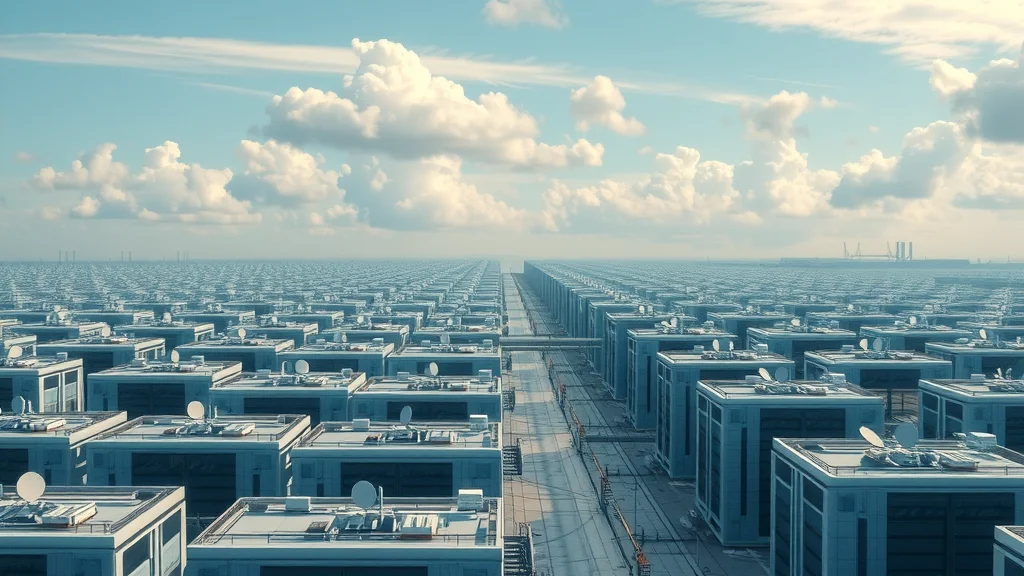
"Data center infrastructure now underpins over 60% of global internet traffic, yet growth drivers remain largely invisible to the public."
What You’ll Learn About Data Center Infrastructure
- The core components of data center infrastructure
- How cloud computing, AI data, and edge data centers impact modern data center infrastructure growth
- The role of infrastructure management and energy efficiency
- Key challenges facing modern data center infrastructure

Understanding Data Center Infrastructure
What is Data Center Infrastructure?
Data center infrastructure is the collection of all physical and logical components necessary for storing, processing, and managing data at scale. This includes not only the obvious hardware—like servers and storage systems—but also the vast network infrastructure, power supply systems (like uninterruptible power sources and power distribution units), intricate cooling systems (including liquid cooling and raised floor designs), and a breadth of security measures protecting both physical and digital assets. Each element has a specific and essential role in ensuring the smooth, secure, and reliable operation of modern data centers.
The importance of robust, flexible, and scalable center infrastructure cannot be overstated. Without well-designed infrastructure, even the most advanced AI data centers or cloud-powered applications would falter under heavy workloads or security threats. Today’s infrastructure management tools make proactive monitoring possible, allowing for real-time detection of potential issues across networking, storage, and power systems. In effect, the entire internet ecosystem—from enterprise data centers to edge data center installations in remote locations—depends on the harmonized synergy of these foundational components.
The Evolution of Center Infrastructure in a Cloud-First World
The transition to a “cloud-first” approach has fundamentally reimagined what constitutes center infrastructure in the modern era. Gone are the days of siloed, on-premises server rooms. Instead, organizations now deploy a mix of cloud computing environments, edge resources, and AI-driven automation tools to optimize computing power and resilience. This evolution has brought new layers to data center design—where flexibility, scalability, and energy efficiency take precedence.
Hybrid and multi-cloud solutions have prompted a significant expansion of data center footprints, as companies strive to locate resources closer to end-users for lower latency and improved application performance. Edge data centers, smaller in footprint but rich in connectivity and processing power, are springing up in urban and rural settings alike. This transformation has also intensified the need for integrated infrastructure management solutions and advanced security measures, ensuring both compliance and continuous uptime as operations grow more complex.
"A modern data center is more than just servers – it’s a dynamic ecosystem."

Core Components of Data Center Infrastructure
Exploring the Five Core Elements of the Data Center Infrastructure
Every data center infrastructure is built on five essential pillars, each supporting a different aspect of operational excellence and resilience. These are:
- Computing hardware (servers, storage systems): The foundation for processing, storing, and retrieving data quickly and reliably.
- Networking and connectivity: High-speed switches, routers, and cabling that facilitate communication between devices, users, and external networks.
- Power and cooling systems: Vital for maintaining optimal server performance and preventing overheating, including uninterruptible power supply units and advanced cooling solutions like liquid cooling or cool air distribution under raised floors.
- Physical & data center security: Includes surveillance, biometric access, and cybersecurity protocols to safeguard sensitive data.
- Infrastructure management and monitoring: Software solutions for real-time oversight, predictive maintenance, and system optimization.
When these elements are aligned, they form a resilient and adaptive infrastructure capable of supporting the ever-increasing demands of AI data, cloud computing, and edge-driven applications.
| Component | Role & Impact |
|---|---|
| Servers & Storage Systems | Host and process massive volumes of information and critical enterprise data securely. |
| Networking Equipment | Facilitates robust and rapid connectivity crucial for real-time applications and cloud computing integrations. |
| Power & Cooling | Ensures uninterrupted operations, manages heat dissipation, and drives energy efficiency via innovations like liquid cooling |
| Security Systems | Protects both the physical site and digital assets with layered center security and monitoring. |
| Management & Monitoring Tools | Delivers predictive maintenance, optimizes resource usage, and responds to potential outages in real-time. |
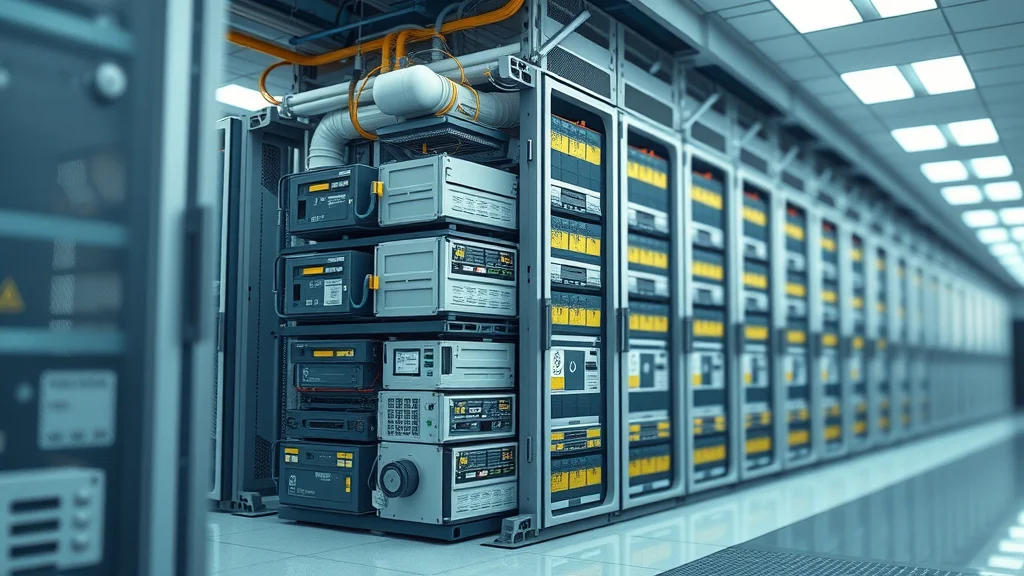
Modern Data Center Infrastructure: Cloud, AI, and Edge Trends
How Cloud Computing Is Reshaping Data Center Infrastructure
The rise of cloud computing has revolutionized data center infrastructure. By separating physical hardware from logical functions, cloud platforms enable dynamic scaling, distributed computing, and global availability. This new architecture allows businesses to deploy resources according to demand, reducing wasted capacity and optimizing cost-effectiveness. Cloud-based solutions also drive new requirements: high-speed networking for remote workloads, secure multi-tenancy, and sophisticated storage systems capable of handling petabytes of data.
Enterprises now leverage hybrid cloud architectures—combining on-premises, private, and public clouds—to gain the best of both control and scalability. Data center design has evolved to accommodate flexible, modular expansions and automated management tools via SDDC (Software-Defined Data Centers). As cloud services mature, companies gain new capabilities for AI data processing, machine learning, IoT, and edge computing, fueling the next phase of global digital innovation.
The Rise of AI Data and Edge Data Centers
The explosion of AI data and the proliferation of edge data centers are redefining infrastructure priorities. AI workloads demand high-performance GPUs, ultra-fast storage systems, and real-time analytics—all managed within a secure and scalable environment. Edge facilities bring computation closer to users and devices, slashing latency and supporting next-gen experiences like autonomous vehicles, smart factories, and interactive live streaming.
This dual trend has led to a diversification in center infrastructure planning. Modern deployments often feature micro data centers in dense urban areas, connected by ultra-fast fiber networks to centralized hubs. Security protocols evolve to cover new threat vectors introduced by dispersed, unmanned edge sites. By harnessing both AI-driven decision-making and localized processing power, today’s data centers achieve remarkable speed, resiliency, and adaptability.

Case Study: AI Data Center and Edge Data Approaches
A leading AI data center recently implemented cutting-edge AI-driven infrastructure management to optimize power and cooling usage in real time. By deploying hundreds of sensors across server racks and integrating machine learning algorithms, the center achieved a 30% reduction in energy consumption without sacrificing performance. Edge data strategies also played a role; workload distribution was dynamically shifted between core and edge sites based on user proximity and network congestion, improving service availability for critical enterprise applications.
The lesson is clear: by leveraging AI not only for client-facing applications but also for infrastructure optimization, data centers can reach new heights of efficiency and reliability. These advanced approaches are increasingly indispensable as data volumes and cyber threats escalate.
"AI-driven infrastructure management is no longer optional—it’s critical for scalability and security."
Power and Cooling: The Lifeblood of Data Center Infrastructure
Innovations in Power and Cooling Systems
Power and cooling remain the heartbeat of data center infrastructure. Modern deployments integrate redundant power supplies, backup generators, and uninterruptible power units to guarantee 24/7 operation—essential for today’s mission-critical workloads. Cutting-edge cooling systems such as liquid cooling, cold aisle containment, and direct evaporative cooling work in conjunction with traditional raised floor layouts to keep temperatures in check while maximizing equipment density.
The industry continues to push the boundaries, with advanced monitoring and automation now able to dynamically adjust cooling outputs in response to real-time demands. This not only lowers operating costs but also prolongs the life of sensitive hardware components, supporting the relentless scale-up of digital enterprises.

Energy Efficiency Concerns for Modern Data Centers
As the total footprint of global data centers expands, there’s a renewed urgency around energy efficiency and sustainability. Large-scale facilities can consume as much electricity as small towns, making responsible power and cooling strategies not only a business imperative but an environmental one too. More centers now incorporate renewable energy sources like solar and wind, directly integrating them with traditional backup systems to reduce carbon emissions.
Innovative solutions—such as free-cooling through ambient air, AI-driven workload distribution, and green building standards—are rapidly becoming the norm. These advancements also help address stricter regulatory requirements and growing scrutiny from stakeholders and consumers. In this landscape, leading organizations recognize that efficient infrastructure management is crucial for both cost control and the planet’s future.
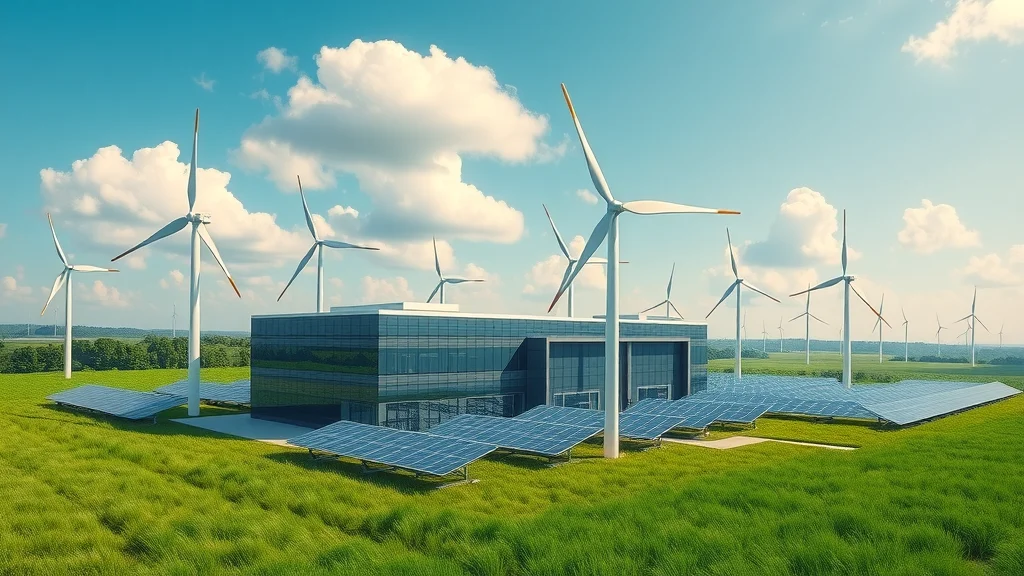
Infrastructure Management and Security in Data Centers
Center Security: Physical and Digital Threats
Security stands as a cornerstone for every modern data center infrastructure. Threats today extend well beyond unauthorized entry; sophisticated cyber-attacks, ransomware, and insider breaches are constant dangers. Effective security measures must therefore include a dual approach: robust physical protocols (biometric access, surveillance, barriers) and continuously evolving cybersecurity frameworks (firewalls, intrusion detection, and real-time response systems).
As AI data and edge data center networks proliferate, the attack surface widens, creating new vulnerabilities. Infrastructure management systems now play a vital role, integrating analytics and automation to detect patterns, trigger alerts, and even launch preventive countermeasures—ensuring that sensitive enterprise data and critical applications remain protected at all times.
Best Practices for Infrastructure Management
World-class infrastructure management combines technology, process, and personnel for maximum efficiency and resilience. Best practices include:
- Automated monitoring
- Data center security protocols
- Physical system checks
- Regular infrastructure assessments
Automated monitoring ensures anomalies are detected and addressed before they escalate. Security protocols expand beyond digital firewalls to embrace biometric logins, reinforced entryways, and multi-tier authentication—all enhanced by AI data analytics. Furthermore, regular assessments and physical checks identify emerging risks and optimize the performance of center infrastructure, supporting both compliance and innovation goals.
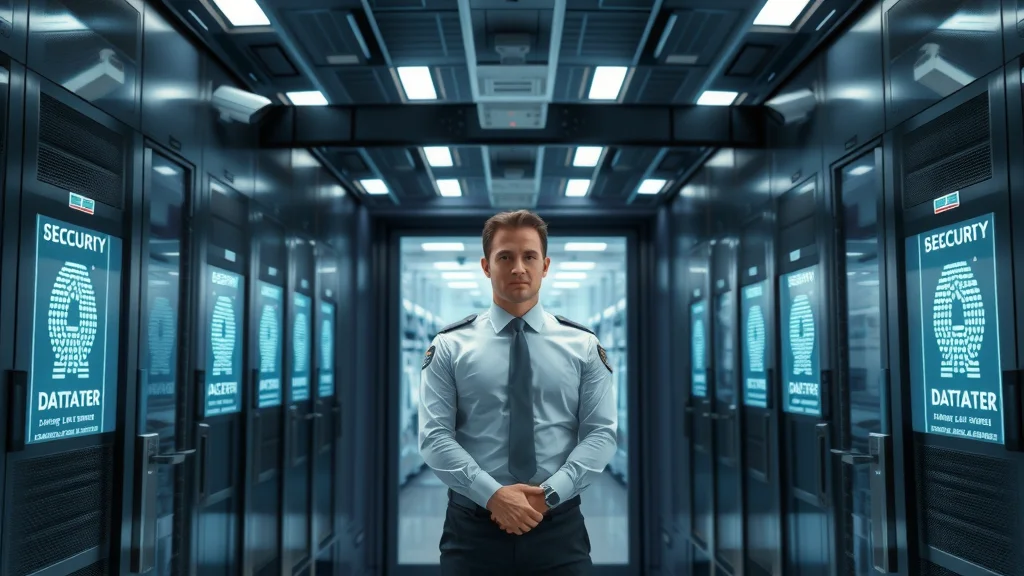
Future-Proofing Data Center Infrastructure: Emerging Technologies
Green Data Centers and Renewable Energy Integration
As sustainability climbs the corporate agenda, the industry is witnessing the rise of “green” data center infrastructure. Facilities are transitioning to fully-integrated renewable energy, leveraging on-site solar arrays, wind generation, and even battery storage to power operations while offsetting environmental impact. The adoption of green building materials, energy-efficient lighting, and advanced cooling methods further enhances each center’s eco-credentials.
These innovations not only boost operational resilience but also respond to evolving regulations and stakeholder demands for greater accountability. By aligning center infrastructure investment with global sustainability goals, operators can future-proof their facilities against disruptions, rising energy costs, and reputational risks—all while contributing positively to the environment.

Software-Defined Data Centers (SDDC)
Software-Defined Data Centers (SDDC) represent the frontier of modern data center infrastructure. By abstracting hardware resources through virtualization and centralized management software, SDDCs provide unmatched scalability, agility, and automation. This model transforms infrastructure management, enabling rapid provisioning, automated disaster recovery, and seamless integration with AI-driven analytics.
SDDCs are the natural evolution for organizations pushing the limits of traditional data centers. They allow for predictive scaling, real-time resilience, and the smooth adoption of emerging technologies—ensuring that the next generation of data-driven applications are reliably supported.
| Aspect | Traditional Data Center | Modern Data Center (Cloud, AI, Edge) |
|---|---|---|
| Physical Structure | Fixed, on-premises, raised floor | Modular, scalable, edge-integrated |
| Management Approach | Manual, hardware-focused | Automated, software-defined, AI-driven |
| Energy Usage | Higher, less efficient | Optimized, often integrated with renewable energy |
| Security | Physical and static cyber defense | Layered (physical, digital), real-time, adaptive |
| Scalability | Limited, slow to expand | Elastic, dynamic, cloud- and edge-enabled |
People Also Ask: Core Data Center Infrastructure Questions
What is data centre infrastructure?
Answer: Data center infrastructure is the physical and logical foundation of all data-related operations, encompassing hardware, networking, storage, power, cooling, and security elements. It forms the backbone on which digital services, cloud computing, and enterprise data processes rely.
What are the five core elements of the data center infrastructure?
Answer: The five elements are computing hardware, networking, storage systems, power/cooling, and security management. These work together to deliver reliability, performance, and protection in modern data centers.
What infrastructure is needed for data centers?
Answer: Data centers require reliable power systems, advanced cooling, robust networking, secure storage, and resilient center infrastructure protocols to ensure seamless digital operations and meet high availability demands.
What are the three main components of a data center infrastructure?
Answer: The three main components are computing resources (servers), storage systems (for data retention), and networking equipment (for communication and external connectivity).
Frequently Asked Questions About Data Center Infrastructure
- How do cooling systems affect data center efficiency? Advanced cooling systems, such as liquid cooling and cold aisle containment, are critical for maintaining server performance while optimizing energy consumption in large-scale data center infrastructure.
- Why is infrastructure management critical for data centers? Effective infrastructure management ensures real-time oversight, proactive maintenance, and rapid incident response, directly impacting uptime, security, and operational efficiency.
- What are the environmental impacts of large-scale data centers? Data centers can consume significant electricity and water; the move toward renewable energy, efficient cooling, and green building standards is reducing their overall environmental footprint.
- How is data center security evolving? Today’s security measures blend enhanced physical protocols and adaptive, AI-driven digital defenses to protect against increasingly sophisticated cyber threats across distributed center infrastructure.

Key Takeaways on Data Center Infrastructure Growth
- Data center infrastructure growth is outpacing public awareness.
- Modern data center infrastructure integrates AI, edge computing, and green technologies.
- Effective infrastructure management and center security are vital for sustainable expansion.
Ready to Take the Next Step in Modern Infrastructure? Reach Solar Solution for Zero Down Homes
Looking for energy-efficient solutions to power your future? Buy Your New Home With Zero Down Reach Solar Solution.
Sources
- Data Center Knowledge – https://www.datacenterknowledge.com/industry-perspectives/future-data-center-infrastructure
- EPA Data Center Report – https://www.energystar.gov/ia/products/downloads/EPA_Data_Center_Report_Congress_Final.pdf
- Union of Concerned Scientists – Energy Use in Data Centers – https://www.ucsusa.org/resources/energy-use-data-centers
- Amazon Data Centers – https://aws.amazon.com/data-centers/
- IBM: What is a Data Center? – https://www.ibm.com/topics/data-centers
To deepen your understanding of data center infrastructure, consider exploring the following authoritative resources: “What is a data center?” (mckinsey. com) This McKinsey article provides a comprehensive overview of data centers, detailing their critical role in the digital economy and the infrastructure required to support technologies like artificial intelligence. “What Is a Data Center? | IBM” (ibm. com) IBM’s resource offers insights into the components and functions of data centers, emphasizing their importance in managing IT infrastructure and supporting business operations. These resources will enhance your knowledge of data center infrastructure, covering aspects from foundational components to their evolving role in supporting modern technologies.






Write A Comment