

Did you know that the data center market in some U. S. states has doubled in the last five years—outpacing national GDP growth? Across the United States, a quiet revolution is transforming the digital landscape: state-wise data center growth. This surge isn’t just about technology—it’s about economic power, sustainable infrastructure, and future-ready communities. Whether you’re tracking investment opportunities or just fascinated by where your online world lives, understanding these trends is no longer optional. Dive in as we map out which states are leading, why it matters, and what it means for the future of digital America.
A Surge Like No Other: Unveiling the State-wise Data Center Growth Explosion
Over the past decade, the state-wise data center growth phenomenon has captured the attention of investors, tech giants, and policymakers alike. Across the U. S. , the demand for data storage and computing power has never been higher, fueled by the relentless expansion of cloud services, streaming platforms, AI, and IoT devices. Some states—like Northern Virginia and Silicon Valley—have become synonymous with next-generation data centers, but the growth is spreading, reshaping digital infrastructure nationwide. This isn’t just a tech trend; it’s a seismic shift in how we conduct business, govern cities, and power our day-to-day lives.
What sets this surge apart is its scale and rapid acceleration. The data center markets in certain regions are experiencing growth rates that dwarf other sectors, driven by factors like reliable power, robust fiber networks, tax incentives, and favorable policies. This explosion isn’t happening in isolation—each state’s strategy is influencing its neighbors, as more local governments compete to become the next data hub. The rise of emerging markets in Texas, Arizona, and Ohio shows that innovation and opportunity aren’t confined to Silicon Valley anymore. If you want to understand the future of the American digital economy, you have to start with the state-by-state story that’s unfolding right now.

"Did you know that the data center market in some U.S. states has doubled in the last five years—outpacing national GDP growth? Discover why this matters for our digital future."
What You'll Learn About State-wise Data Center Growth
Key drivers behind state-wise data center growth in the United States
The impact of regional center markets including Northern Virginia and Silicon Valley
Emerging trends in data center development strategies
Challenges and opportunities facing data center markets across states
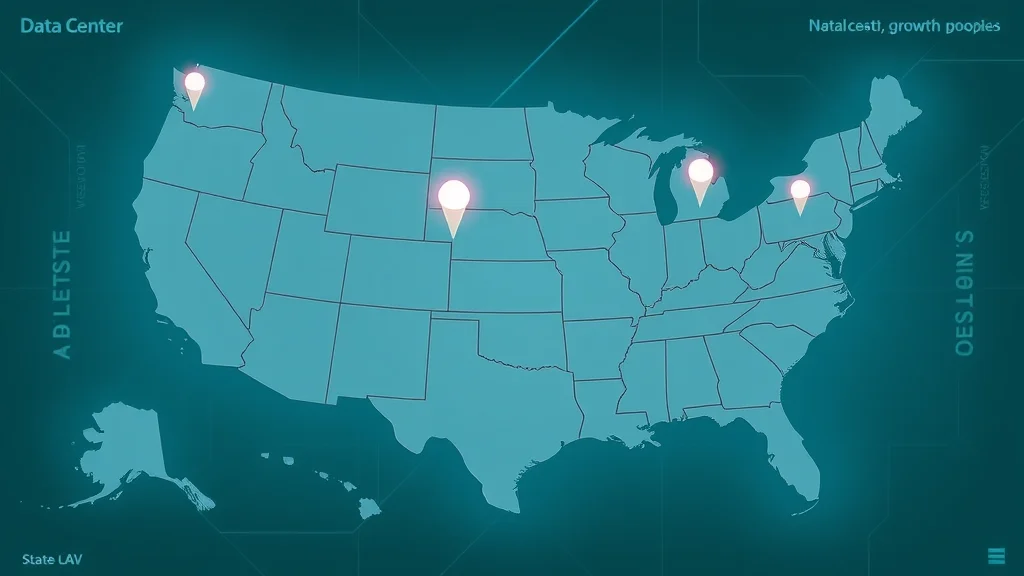
State-wise Data Center Growth: Mapping the National Pulse
The state-wise data center growth wave is reshaping the nation's digital backbone, with each state racing to attract significant investment into their center markets. Northern Virginia stands tall, often called the “Internet Capital of the World,” but it’s closely followed by powerhouse states like Texas, California (Silicon Valley), and Arizona. These regions offer more than just massive data center infrastructure; they present favorable real estate conditions, a skilled labor force, and access to reliable power grids, all critical for top data center performance.
What’s remarkable is how these growth patterns reflect both national and regional factors. While the United States as a whole has seen a surge in cloud computing, AI adoption, and streaming services, state-specific tax incentives, electricity rates, and sustainability mandates vary drastically. This diversity creates a dynamic market: states able to deliver the right mix of infrastructure and policy enjoy an outsized share of new data center projects, encouraging more tech firms to migrate. Mapping this pulse reveals not just where the digital action is happening, but why some states are outpacing others in the race for digital transformation.
Comparison of State-wise Data Center Growth Rates: Top 10 States for Data Center Market Expansion |
|||
Rank |
State |
Growth Rate (5-Year %) |
Key Strengths |
|---|---|---|---|
1 |
Northern Virginia |
110% |
Reliable power, top data center infrastructure, hub for network traffic |
2 |
Texas |
87% |
Affordable real estate, robust power grid, growing tech sector |
3 |
California (Silicon Valley) |
76% |
Tech innovation, mature fiber networks, dense customer base |
4 |
Arizona |
72% |
Low natural disaster risk, tax incentives, reliable power |
5 |
Ohio |
71% |
Strategic central location, low cost of living, power grid upgrades |
6 |
Oregon |
64% |
Abundant renewable energy, temperate weather, low power costs |
7 |
Nebraska |
58% |
Emerging market, lower real estate costs, expanding fiber network |
8 |
Georgia |
52% |
Strong business incentives, growing Atlanta tech hub |
9 |
Illinois |
48% |
Major city connectivity (Chicago), skilled workforce |
10 |
Colorado |
45% |
Renewable energy growth, rising tech ecosystem |

United States Overview: The Shifting Data Center Market
The United States is undeniably the heartbeat of global data center markets. With a digital economy expanding at an unprecedented rate, every major state is investing in data center development, driven by surging demand for low-latency cloud computing and secure data storage. As online services proliferate and businesses seek greater resilience, the need for high-performance data centers has never been more urgent, placing pressure on traditional tech corridors as well as opening up possibilities in emerging regions. States with strong regulatory support, rich fiber networks, and stable electric power supply have captured a lion’s share of new deployments—pushing boundaries beyond Silicon Valley and New York City.
The concentration of center markets in the U. S. presents both opportunities and challenges. While established players like Northern Virginia dominate due to their massive digital infrastructure and strategic location on the Eastern power grid, new contenders are rising fast thanks to targeted tax incentives, real estate affordability, and focused investments in center infrastructure. Increasingly, these regional hubs are competing head-to-head, creating a vibrant ecosystem where innovation flourishes and significant investment continues to pour in.
How the U.S. Center Market Shapes State-wise Data Center Growth
America’s central role in global digital commerce makes its center market a foundational driver for state-wise data center growth. The competitive race among states for data center investment is reshaping the landscape as policies and infrastructure determine which regions can attract the most lucrative projects. With states rolling out new incentives and improving their energy sources, the market is rapidly diversifying, no longer just a story of the coasts.
Crucially, this race isn’t solely about capacity—it’s about capability. States investing in resilient power grids, secondary fiber network routes, and climate-aware site selection stand out. This impacts the speed, reliability, and sustainability of the data center industry, benefiting both business and the everyday consumer. As digital infrastructure becomes integral to economic performance, state-wise competition is setting the stage for the next wave of American innovation.
Northern Virginia: The Powerhouse of State-wise Data Center Growth
No conversation about state-wise data center growth is complete without spotlighting Northern Virginia. With over 110% growth in the last five years, Northern Virginia has earned its reputation as the global epicenter of the data center market. This region is home to the largest concentration of data centers worldwide, carrying more than 70% of global internet traffic. Its dominance is built on world-class infrastructure, direct access to the most robust power grids, competitive electricity rates, and a business-friendly regulatory environment.
Northern Virginia’s relentless attraction of top data center projects has influenced the strategies of other states, from offering customized tax incentives to prioritizing renewable energy sources for their electric power needs. The result? A magnet for economic benefits, skilled jobs, and real estate development—factors that reinforce its position at the peak of the state-wise data center growth curve.
Northern Virginia Data Centers: Infrastructure, Reliable Power, and Market Impact
The secret behind the meteoric rise of Northern Virginia data centers lies in a trifecta: state-of-the-art infrastructure, unparalleled access to reliable power, and a unique market impact that sets global standards. Major players, from hyperscale cloud providers to smaller enterprise clients, flock to the region for its dense fiber network and data-friendly real estate environment. This enables ultra-low latency connectivity to key East Coast markets like Washington, D. C. and New York City.
The emphasis on data privacy regulations and ongoing upgrades to the power grid have also provided a secure, resilient foundation for data center operations. Investment in renewable energy, such as solar and wind, is increasingly common to ensure sustainable growth—a trend emulated by up-and-coming states seeking to gain a competitive edge in the center industry. These features make Northern Virginia a case study in how local policy and infrastructure can drive nation-leading center market growth.
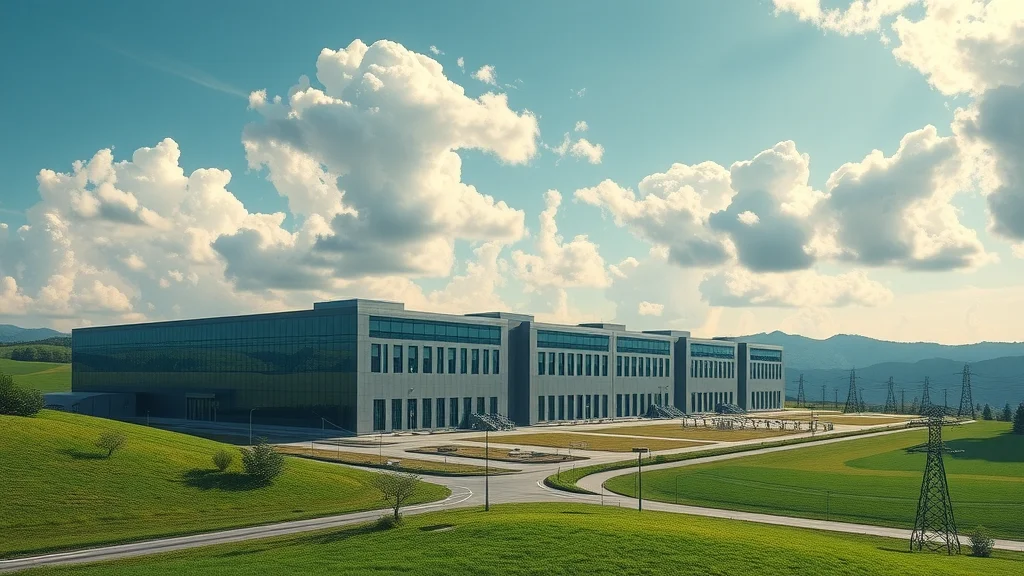
Silicon Valley: Tech Innovation Driving State-wise Data Center Growth
Silicon Valley’s influence on state-wise data center growth is unique and profound. As the heart of America’s tech innovation engine, this region pairs cutting-edge data centers with some of the world’s busiest fiber networks and a relentless focus on future technologies. Here, data center development is inextricably linked with the demands of cloud computing platforms, AI startups, and major tech conglomerates—all vying for a digital edge in a hyper-competitive landscape.
Silicon Valley also faces unique challenges: intense real estate competition, environmental regulations, and high electricity rates pose obstacles to traditional data center expansion. Nevertheless, forward-thinking strategies—like retrofitting facilities for energy efficiency, maximizing network density, and adopting hybrid-cloud architectures—continue to spur meaningful growth. The Valley remains a primary hub for next-gen digital infrastructure and is a model for how innovation and regulation can coexist within the broader data center market.
Data Center Development in Silicon Valley: Lessons and Challenges
Silicon Valley’s success in data center development comes with important lessons for other states. Chief among them is the need to balance technological ambition with sustainability and resource management. While dense fiber networks and proximity to major tech clients are key advantages, the region’s challenges—such as limited availability of affordable land and growing local scrutiny of power usage—force operators to find creative solutions for expansion.
Regulatory hurdles, from strict environmental guidelines to community-driven planning discussions, mean that each new project is scrutinized for its ecological footprint and community benefits. As such, Silicon Valley innovators often lead in green practices: leveraging renewable energy sources, reusing waste heat, and even integrating vertical farming into data center campuses. These approaches offer a blueprint for other markets seeking to harmonize rapid growth with responsible, long-term center development.

Emerging State Markets: Who's Rising Fast in the Data Center Race?
While established coastal hubs still lead the industry, the rise of emerging state markets is one of the most exciting facets of state-wise data center growth in the U. S. Tech giants and cloud providers are increasingly drawn to locations offering abundant real estate, lower power costs, and forward-thinking policies. States like Texas, Arizona, Ohio, Oregon, and Nebraska now find themselves in the data center spotlight—and for good reason. Their unique advantages, from climate stability to increased investment in digital infrastructure, are making them attractive alternatives for new center development.
The appeal of these states often centers on a combination of logistical advantages and proactive economic strategies. For instance, Texas benefits from vast land availability and a robust power grid, while Oregon’s cool climate and access to renewable hydro-power means lower cooling and energy costs. As demand for data continues to soar, expect to see even more secondary markets climb the rankings—fundamentally changing the geographic distribution of America’s digital economy.
Regional Trends in Data Center Development: Beyond the Usual Suspects
Why are these new markets gaining ground? Multiple dynamics are at play. First, the data center industry recognizes that resilience and redundancy require geographic diversity, so providers can route traffic and store data closer to users nationwide. Second, many up-and-coming states provide unique energy incentives, simpler regulatory approval processes, and a welcoming business environment. As a result, the U. S. data center market is quickly evolving beyond its traditional strongholds, injecting vitality into rural and urban areas alike.
And it’s not limited to a single model—some regions specialize in hyperscale facilities for massive cloud platforms, while others are becoming ideal settings for edge data centers supporting the Internet of Things and 5G rollouts. The landscape is moving fast, and states willing to innovate are reaping the rewards in jobs, investment, and headline-grabbing economic benefits.
Texas
Arizona
Ohio
Oregon
Nebraska
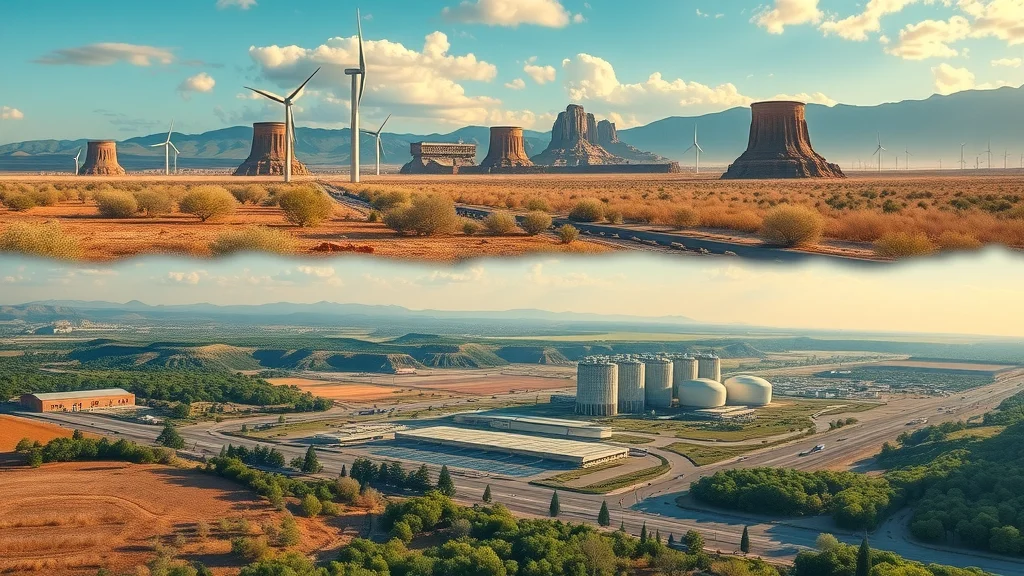
Factors Fueling State-wise Data Center Growth in the US
What’s fueling this unprecedented state-wise data center growth? In a world increasingly dependent on digital transactions, the engines for expansion are clear: low-cost, reliable power; access to renewable energy sources; and progressive state policies. Data centers require vast amounts of electric power, and states with lower electricity rates and stable, scalable power grid infrastructure hold a major edge. Government support—through tax incentives, streamlined permitting, and investments in digital education—adds yet another layer of competitive advantage.
The shift toward sustainability is also reshaping the field. Forward-thinking regions are integrating renewable energy options directly into their center development plans, lowering operational costs and improving resilience in the face of climate disruptions. Such moves are attracting “green” technology companies and socially responsible investors, further boosting growth and propelling states into positions of digital leadership within America.
The Impact of Reliable Power and State Policies on Center Development
Reliable power is fundamental to the health and growth of the data center market. What distinguishes leading states from laggards is their ability to guarantee round-the-clock uptime, often accomplished through partnerships with utility companies, smart grid technology, and redundancy planning. This reliability makes it possible for data centers to deliver uninterrupted service to cloud providers, streaming giants, and global financial markets.
State-level policies can act as accelerators or brakes. Tax relief for new center development, clean energy mandates, and workforce training investments are all proven game-changers. Conversely, inconsistent electricity rates, regulatory red tape, or opposition from local communities can delay or derail major projects. The future of the data center industry will be shaped by how states respond to these challenges, setting the tone for innovation and investment for years to come.
Challenges in State-wise Data Center Growth: Navigating Regulation, Power, and Labor
"Data center markets are facing a perfect storm of opportunity and challenge—state-specific regulations and energy demands are more influential than ever."
Even as the state-wise data center growth boom continues, the industry faces no shortage of hurdles. Regulatory environments can be complex and ever-changing, as state, local, and environmental authorities work to balance economic growth with sustainability and resource use. Securing enough reliable power is another ongoing concern: as data centers account for a growing share of electricity consumption, utility companies must keep pace with both volume and demand for renewable energy.
Labor represents an additional headwind. With a highly specialized workforce in short supply, especially in secondary markets, attracting and retaining the talent needed to design, build, and operate center infrastructure can be a daunting task. As competition intensifies, states that develop strong education and training pipelines will gain a crucial advantage in securing new investment and leading the next phase of national data center growth.
The Future Outlook for State-wise Data Center Growth
Where is the trend headed next? Experts predict that state-wise data center growth will only accelerate as businesses and governments move even more decisively into the cloud, edge computing, and AI-driven solutions. The next decade is likely to bring major leaps in expansion—both at the hyperscale level in established hubs like Northern Virginia and in distributed, edge-focused facilities across rural America. What was once a niche concern for a handful of major states is now a core issue for the country’s digital and economic future.
States that align their strategies around renewable energy, spread digital infrastructure to underserved areas, and embrace hybrid and multi-cloud innovations will be best positioned to capture this new wave of growth. For everyday Americans, this means more resilient internet services, smarter cities, and expanded economic opportunity. The time to pay attention is now—because the digital map of America is being redrawn in real time.
Key Predictions: Where Is U.S. Data Center Market Heading?
Increased investments in renewable energy
Edge data centers expansion in rural and secondary markets
Hybrid and multi-cloud architectures
People Also Ask: Your State-wise Data Center Growth Questions Answered
Why is Northern Virginia a hub for data centers?
Northern Virginia offers the perfect mix for data center development: unparalleled access to major fiber networks, affordable and reliable power, and proximity to the nation’s political and business capitals. The region’s long-standing regulatory support and tax incentives encourage massive investment, while continuous upgrades to digital infrastructure have made it a global hub where over 70% of internet traffic passes through data centers daily.
How are state policies influencing data center development?
State policy is a decisive factor: tax breaks, streamlined permitting, and renewable energy mandates can attract major center development projects, while stringent rules or local opposition can stall growth. States that proactively create business-friendly environments, invest in grid upgrades, and champion sustainable energy are seeing the greatest expansion in their data center markets.

What states are emerging as new leaders in data center growth?
Texas, Arizona, Ohio, Oregon, and Nebraska are among the fastest-rising states in the data center market. Their growth is driven by advantages such as ample real estate, reliable power grids, and supportive local policies. These up-and-coming regions are setting new benchmarks for cost, innovation, and sustainability in center development.
What are the environmental implications of state-wise data center market expansion?
While state-wise data center growth offers enormous economic and digital benefits, it also raises concerns about power consumption, carbon emissions, and land use. The data center industry is responding with a wave of green initiatives, from investing in renewable energy sources like solar and wind to designing facilities with minimal environmental footprints. States that prioritize sustainability will play a crucial role in shaping a responsible digital future.
FAQs on State-wise Data Center Growth, Data Center Market, and Center Development
What is state-wise data center growth and why does it matter?
It's the expansion of data centers on a state-by-state basis across the U.S., impacting the availability, speed, and resilience of digital services. It shapes economic development, job creation, and how fast and securely you access the internet every day.Which state has seen the highest data center market growth recently?
Northern Virginia continues to lead with over 110% growth in the past five years, thanks to robust infrastructure, proximity to network traffic, and business-friendly policies.How does reliable power availability shape center markets?
Reliable, affordable power is essential for data center operations; states with strong utility grids and renewable integration attract more development because data centers require constant, uninterrupted electricity to function optimally.Are remote regions seeing an increase in data center development?
Yes. As cloud services and streaming demand expand, many rural and secondary markets—like Nebraska and parts of Ohio—are experiencing significant investment as companies seek to diversify and geographically distribute their digital infrastructure.
Key Takeaways from State-wise Data Center Growth Trends
The data center market is regionally dynamic and highly influenced by local factors
Northern Virginia and Silicon Valley continue to dominate, but new entrants are rapidly emerging
Sustainable energy and regulatory adaptation are crucial in future center development strategies
Ready for Digital Transformation? Leverage the Energized States for Data Center Growth—Buy Your New Home With Zero Down Reach Solar Solution: https://reachsolar.com/seamandan/zero-down-homes
-
Ready to Take the Next Step?
Ready to be part of the solution?
Ready to Make a Change? Check Out the Reach Solar Review: https://reachsolar.com/seamandan/#about

Buy Your New Home With Zero Down Reach Solar Solution: https://reachsolar. com/seamandan/zero-down-homes
Conclusion: State-wise data center growth is rewriting America’s digital future. Watch these trends—and the states setting tomorrow’s pace.
Sources
The rapid expansion of data centers across various U. S. states is reshaping the nation’s digital infrastructure. For a comprehensive overview of this growth, the article “Mapped: U. S. States With the Most Data Centers in 2025” provides detailed insights into the distribution and factors driving data center proliferation across the country. (visualcapitalist. com) Additionally, the U. S. Census Bureau’s report “Data Centers Growing Fast and Reshaping Local Economies” offers valuable data on employment trends and the economic impact of data centers at the state level. (census. gov) These resources will enhance your understanding of the state-wise data center growth phenomenon and its implications for the digital economy.






Write A Comment