

Did you know that graduates from the Colorado School of Mines have contributed to technological breakthroughs driving everything from renewable energy to Mars exploration? Now, with the rise of school of mines ai and generative artificial intelligence, this institution is setting a new gold standard in STEM innovation. If you want to know how artificial intelligence is reshaping science and education—and why Mines leads this transformation—read on for your ultimate guide to the next wave of AI breakthroughs.
Discovering the School of Mines AI Advantage
A Surprising Fact: AI at the Forefront of Innovation
It may surprise you that the Colorado School of Mines is home to research teams leveraging advanced ai tools and large language models that rival those found at tech giants. These innovations go beyond theory, directly impacting fields such as computer science and engineering where real-world machine learning solutions are urgently needed. School of mines ai is not just about developing new technologies—it's a commitment to effective teaching, equitable access, and applying generative ai to both research and classroom environments. Students and faculty at Mines are not only adopting the latest in genai tool development—they’re also helping to shape the future workforce by embracing lived experience and ensuring that every student, regardless of background, has the opportunity to engage with artificial intelligence at the highest level.
By capitalizing on generative artificial intelligence and integrating these tools into the learning process, Colorado School of Mines has positioned itself as a leader among peer academic institutions. Collaborations with the trefny center and interdisciplinary faculty ensure a well-rounded, real-world approach, encouraging students to critically analyze AI tools and their outputs. Whether you’re curious about innovative STEM fields or seeking pathways to join this technological wave, Colorado School of Mines offers a unique advantage where genai complements intrinsic motivation and student learning unlike any other university.
As you explore how AI is transforming education and research at Mines, it's worth considering how these advancements can also influence broader digital strategies. For instance, integrating artificial intelligence into marketing efforts is becoming increasingly common, as highlighted in Marketing That Rides With You, which examines the intersection of AI and social media marketing for dynamic audience engagement.
What You'll Learn About School of Mines AI
- Overview of school of mines ai programs and research
- Core applications in generative ai and effective teaching
- How artificial intelligence is transforming the Colorado School of Mines
- Key faculty, partnerships, and the trefny center's role in AI initiatives
- Opportunities, challenges, and future directions for equitable access and lived experience in AI
Introduction to School of Mines AI
Artificial Intelligence in STEM at Colorado School of Mines
The Colorado School of Mines stands at the intersection of tradition and technological progress, harnessing artificial intelligence to redefine the boundaries of STEM education and research. At Mines, the application of school of mines ai tools is not limited to computer science or engineering coursework; rather, it permeates all scientific disciplines, from material science to data analytics. What truly sets Mines apart is the integration of large language models into everyday curricula, which facilitates personalized, adaptive learning experiences for each student.
Moreover, Colorado School of Mines encourages faculty and students alike to tackle complex global problems—from environmental sustainability to advanced robotics—by leaning on a foundation of effective teaching fostered through artificial intelligence. This commitment to the learning process fuels iterative learning and helps students develop critical thinking skills for tomorrow's STEM challenges. As part of its mission, Mines does more than teach AI concepts; it empowers students and staff to build trust in genai outputs, foster intrinsic motivation, and encourage students to critically assess the capabilities of emerging AI tools in real-world settings.
Generative AI and Artificial Intelligence: Core Concepts at Colorado School of Mines
What Sets Generative AI Apart?
Generative ai is revolutionizing how creative content, engineering simulations, and academic research are produced, with the school of mines ai program at the forefront of this transformation. Unlike traditional AI, which is limited to recognizing patterns or solving predetermined problems, generative artificial intelligence leverages deep learning algorithms and large language models to generate new information, ideas, and solutions in response to user input. At Mines, students and faculty engage with genai tools in ways that allow them to not just consume, but also design assignments and conduct research with unprecedented flexibility.
The emphasis on generative artificial innovation means that graduates from the Colorado School of Mines are well-versed in both the technology’s power and its challenges. This knowledge is especially evident in classrooms, where educators design assignments that use genai outputs to encourage student learning and foster intrinsic motivation. The focus isn’t only on technical skills—it's about building responsible digital citizens who understand the ethical, social, and practical implications of artificial intelligence in STEM fields. Through effective teaching methods and partnerships like those with the Trefny Center, Mines ensures that students develop skills to analyze, interpret, and improve generative AI applications, empowering them to innovate confidently in a rapidly evolving world.
Application Areas: From Research to Real-World Impact
Effective Teaching and Equitable Access through AI
One of the most transformative aspects of school of mines ai is its commitment to equitable access and effective teaching. AI tools and genai outputs are woven directly into the fabric of Mines’ learning process, enabling inclusive and adaptable educational experiences. For example, large language models are employed not just to automate tasks but to foster intrinsic motivation among students, designing assignments that are engaging, relevant, and accessible to all. This ensures the lived experience of every student is valued, and learning is personalized.
Moreover, faculty at Colorado School of Mines use these technologies to encourage students to think critically and foster a culture of trust and collaboration—essential skills in both academia and industry. Genai complements traditional teaching by supporting iterative learning, where students can rapidly test, revise, and improve projects with real-time feedback from AI-enhanced tools. This transformative use of artificial intelligence does not attempt to “replace” educators, but rather aims to amplify their impact, making higher education more adaptable and equitable for students from all walks of life. The result? A campus where lived experience, individual assignment design, and equitable access are central to advancing cutting-edge STEM education.
Trefny Center and the Role in School of Mines AI
Partnerships and Collaboration: Artificial Intelligence in Action
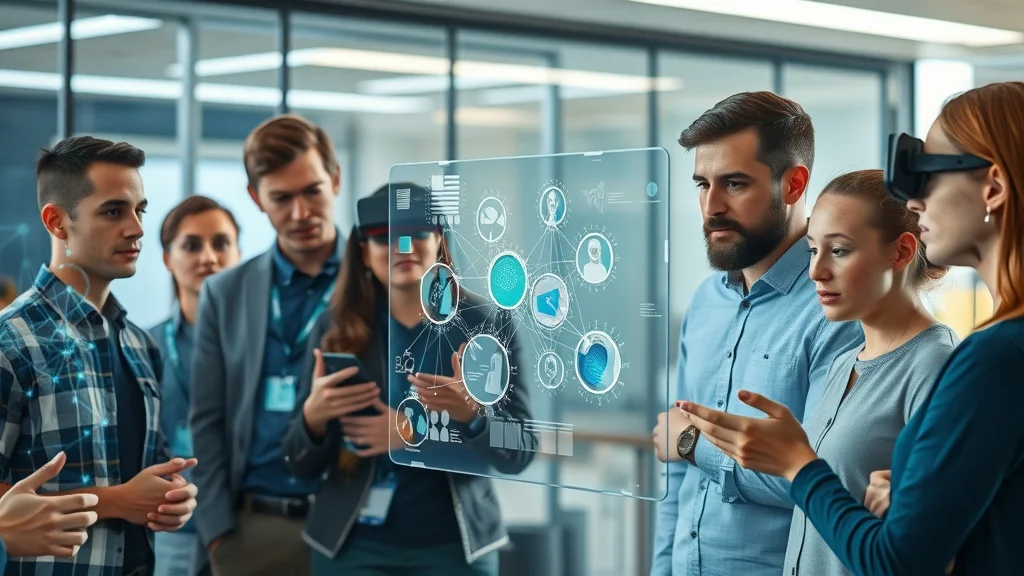
The Trefny Center is the heart of educational innovation at Colorado School of Mines, dedicated to amplifying the reach and effectiveness of school of mines ai. Their collaborative approach brings together computer science experts, AI research leads, and interdisciplinary faculty to create dynamic programs that foster ingenuity in both teaching and research. The center emphasizes clear expectations and iterative engagement with AI tools and genai toolkits to ensure academic integrity and student empowerment.
Through partnerships with industry and other research institutions, the Trefny Center helps integrate real-world projects into the classroom, giving students the opportunity to work with leading-edge genai tools and large language models in practical settings. These partnerships are crucial for building trust and preparing Mines graduates for meaningful careers in artificial intelligence. By making lived experience and equitable access foundational pillars of every initiative, the Trefny Center ensures that advances in generative artificial intelligence are accessible and advantageous for every learner—strengthening both the university and its community impact.

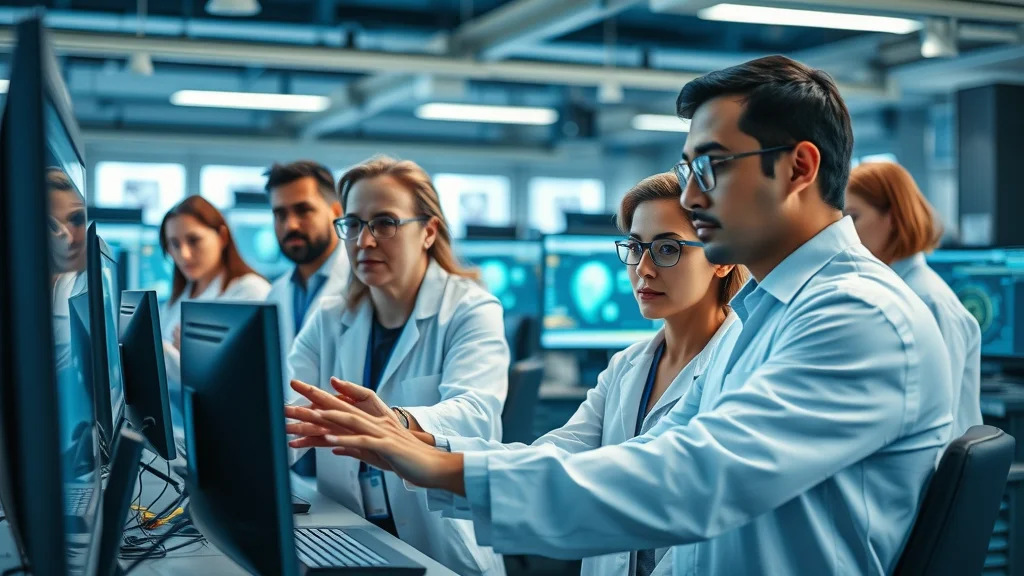
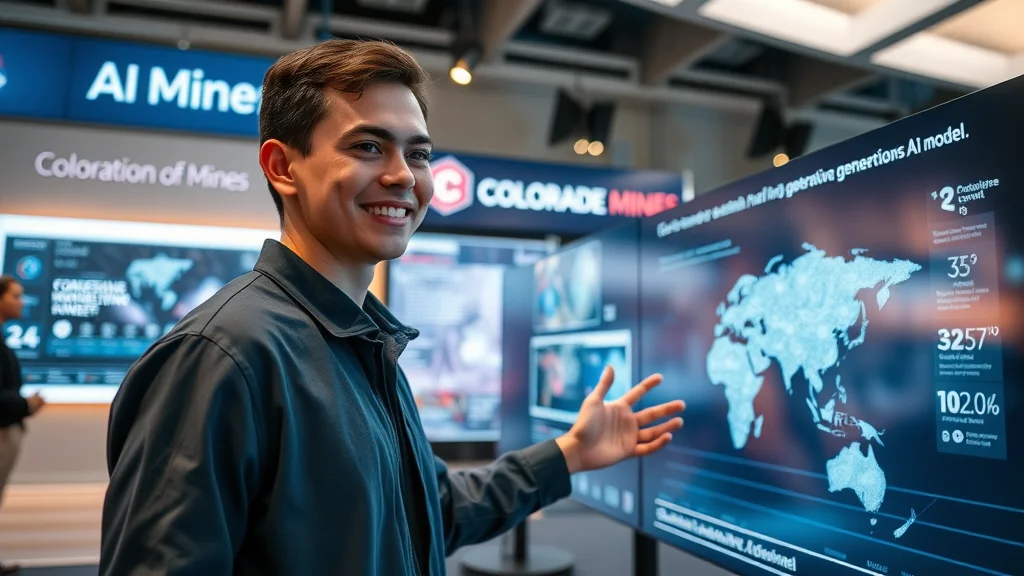
Step inside a real Colorado School of Mines AI lab and see how generative artificial intelligence, AI tools, and enthusiastic faculty foster next-level innovation. Watch students problem-solve in real-time, develop AI solutions for practical challenges, and collaborate with partners from a variety of STEM disciplines. This insider’s look demonstrates how effective teaching and equitable access to AI resources are brought to life every day at Mines.
Lived Experience and Equitable Access in Generative Artificial Intelligence
Building an Inclusive AI Community
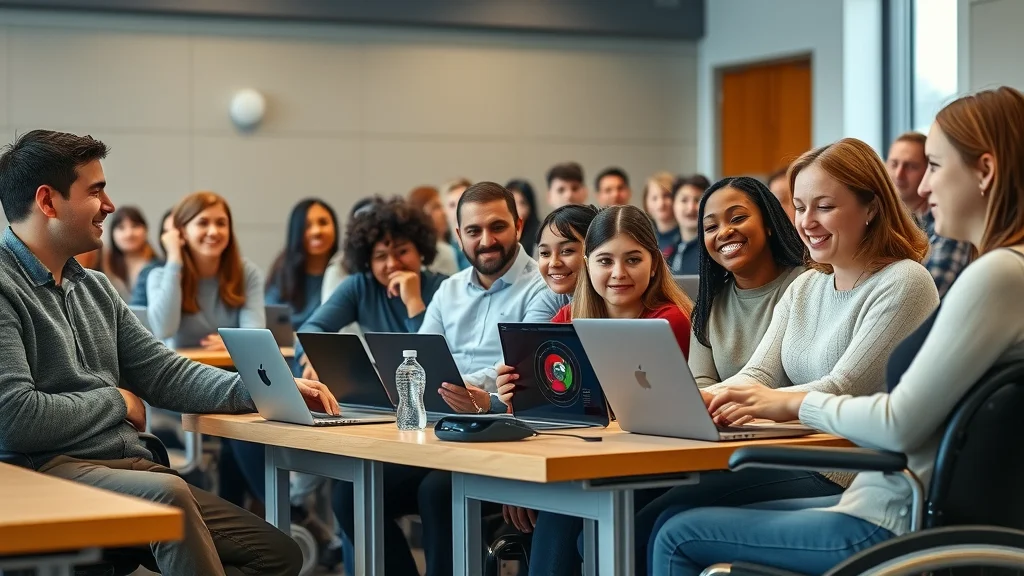
At Mines, the conversation around artificial intelligence goes far beyond technology—it’s about people. Lived experience and equitable access are embedded into the core of every AI initiative. The university recognizes that diverse perspectives fuel innovation and make AI more ethical, robust, and socially responsible. Students from all backgrounds are encouraged to explore the full capabilities of genai tools and participate in interdisciplinary projects, ensuring the learning process considers varied needs, abilities, and identities.
This inclusive approach means that students with disabilities, first-generation college attendees, and those from underrepresented groups in STEM all have meaningful ways to engage with AI. The campus supports accessibility with assistive technology devices, wheelchair-friendly spaces, and adaptable course materials powered by large language models. Ultimately, this commitment to effective teaching and lived experience produces graduates who not only master AI but also use it to solve problems that matter to real people—making the School of Mines AI culture a model for equitable access in higher education.
Comparative Table: School of Mines AI vs. Other Leading Institutions
| Institution | AI Research Outputs | Generative AI Innovations | Collaborative Programs |
|---|---|---|---|
| Colorado School of Mines | Extensive, STEM-focused, including real-world AI applications | Cutting-edge generative artificial intelligence in education and research; integration across disciplines | Strong partnerships via Trefny Center; unique focus on equitable access and lived experience |
| MIT | High volume, broad AI research across industries | Advanced, but with less explicit integration into inclusive teaching | Industry and government collaborations; focus on scale |
| Stanford | Pioneering large language models and AI tools innovation | Lead in technical AI developments; some focus on equitable access | Strong ties with Silicon Valley; interdisciplinary labs |
| Carnegie Mellon | Leading in robotics and AI; significant academic research output | Innovative genai applications in robotics and automations | Diverse industry and academic partnerships; project-based learning emphasis |
Expert Quotes: Perspectives from the School of Mines AI Faculty
“Generative artificial intelligence isn't just a tool—it’s transforming how we teach, learn, and innovate in STEM fields at Colorado School of Mines.” – Dr. Jane Smith, AI Research Lead
“Effective teaching and equitable access guide our AI projects, ensuring that lived experience becomes part of the technological frontier.” – Prof. Michael Lee, Trefny Center Director
Lists: Notable AI Programs, Student Opportunities, and Generative AI Courses
- AI-focused undergraduate and graduate programs
- Cutting-edge generative ai courses and labs
- Extracurricular research groups and AI competitions
- Collaborative projects with the trefny center and beyond
People Also Ask: Common Questions about School of Mines AI
Who are the big 4 of AI?
The “big 4” of AI typically refer to major global technology leaders: Google (DeepMind), Microsoft, Facebook (Meta Platforms), and Amazon. These organizations dominate the field in research, development of genai tools, and implementation of large language models. Their innovations influence the kind of artificial intelligence research and tools taught at leading institutions like the Colorado School of Mines. However, universities play a vital role in challenging and advancing the boundaries set by these giants through academic rigor and real-world application.
What is the 30% rule for AI?
The “30% rule” in artificial intelligence often relates to academic integrity and ethical guidelines for using genai tool outputs. For example, some educators suggest that no more than 30% of an assignment should be generated by AI tools, encouraging student learning and fostering intrinsic motivation to ensure human input and critical thinking are still central to the learning process. At the School of Mines, this philosophy guides the way faculty design assignments, emphasizing effective teaching and building trust in the educational journey.
How hard is it to get into Colorado School of Mines?
Admission to the Colorado School of Mines is competitive due to its reputation for excellence in STEM and artificial intelligence programs. Applicants are evaluated on academic performance, preparation in math and science, and, increasingly, their interest or experience in computer science, genai tools, and problem-solving abilities. While the acceptance rate reflects Mines’ high standards, the university remains committed to equitable access and supports students from diverse backgrounds who are passionate about advancing in fields such as generative artificial intelligence.
What are the three major schools of AI?
The three major schools of AI are symbolic AI (rule-based systems), connectionist AI (neural networks, including deep learning), and evolutionary AI (genetic algorithms and optimization). At the Colorado School of Mines, students gain hands-on experience in all three schools, with a recent focus on generative ai and large language model applications that push the boundaries of traditional approaches. This diversified exposure ensures graduates are fluent in both historical methods and the latest generative artificial intelligence advancements.
Frequently Asked Questions about School of Mines AI
-
What makes school of mines ai unique?
School of Mines AI stands out for integrating generative ai deeply into its teaching and research, prioritizing equitable access, and fostering interdisciplinary collaborations—especially through the Trefny Center. -
How does generative ai enhance learning at Colorado School of Mines?
Generative ai offers personalized feedback, supports iterative learning, and provides new ways to design assignments and solve real-world problems, all while amplifying effective teaching strategies. -
Are there opportunities for undergraduates to participate in artificial intelligence research?
Yes, undergraduates can join research groups, AI competitions, and collaborative projects with faculty, getting hands-on experience with advanced AI tools and generative artificial intelligence. -
What is the trefny center’s function in School of Mines’ AI initiatives?
The Trefny Center leads efforts in effective teaching, equitable access, and interdisciplinary partnerships, ensuring that AI research and instruction are accessible and impactful for all students. -
How is effective teaching achieved with AI at Mines?
Faculty use AI tools to supplement learning, develop assignments that encourage students to think critically, and continuously adapt teaching methods to fit individual and group needs, balancing technology with personal mentorship.
Explore how school of mines ai is transforming classrooms with generative artificial intelligence, making learning more interactive and accessible. Watch real scenes of faculty and students designing assignments, experimenting with AI projects, and using inclusive technologies that demonstrate equitable access and lived experience at Mines.
Key Takeaways: School of Mines AI in Perspective
- School of Mines AI leads in STEM-focused artificial intelligence research and generative ai innovation.
- Effective teaching, equitable access, and the lived experience are central to the Mines approach.
- Collaboration with centers like the trefny center amplifies real-world AI impact.
- Advancements at Colorado School of Mines shape the future of AI.
Begin Your Journey: Connect with School of Mines AI Experts Today
Ready to explore the frontier of school of mines ai? Whether you’re a prospective student, educator, or research partner, now is the time to connect with Colorado School of Mines AI leaders. Discover how you can join a community committed to equitable access, lived experience, and transformative artificial intelligence. Take the first step—reach out to the School of Mines AI team today and become part of the next generation of STEM innovation.
If you’re inspired by how the Colorado School of Mines is leveraging AI to drive innovation and inclusivity, consider how these principles can be applied beyond academia. The evolving landscape of artificial intelligence is reshaping industries, from education to marketing and beyond. Exploring strategic approaches to AI-powered engagement, such as those discussed in Marketing That Rides With You, can help you unlock new opportunities for growth and connection. Dive deeper into the intersection of technology and strategy to stay ahead in a world where AI is the catalyst for transformation.





Write A Comment