

Did you know that global data center power consumption is expected to double by 2030 due to AI boom and ai data center expansion? In just a few short years, the rapid rise of artificial intelligence has redefined what’s possible—and what’s required—when it comes to digital infrastructure. Behind every smart device, advanced AI model, or recommendation you receive online is a network of ever-expanding, hyper-efficient data centers, fueled by powerful shifts in technology, energy, and global investment. This editorial takes you inside the forces accelerating AI data center expansion and reveals why understanding this trend is crucial for anyone interested in the future of technology, sustainability, and digital innovation.

- Explore the forces behind AI data center expansion
- Understand the intersection of artificial intelligence and data centers
- Gain insights on the role of ai infrastructure and sustainability
- Discover perspectives on ai training and supply chain challenges
- Learn how energy, from natural gas to nuclear, factors into data center growth
AI Data Center Expansion: A Paradigm Shift in Digital Infrastructure
AI data center expansion is no longer a niche trend—it’s a seismic transformation of the world’s digital backbone. As artificial intelligence (AI) permeates nearly every industry, the demands on data center infrastructure have exploded. Today, modern data centers are more than just server farms; they’re intricate, AI-driven ecosystems powering real-time decision-making for businesses, governments, and consumers alike. According to recent industry reports, the ai boom has led tech companies and hyperscale providers to invest billions in center growth and building data campuses worldwide, all while grappling with surging power consumption and complex supply chain issues. As energy demand and processing units scale up to support AI training for advanced models, digital infrastructure must adapt at an unprecedented pace. This paradigm shift isn’t just about capacity—it’s about reimagining how data is handled, secured, and made sustainable for the future, until every aspect of modern life is touched by AI-powered data center innovation.
Did you know that global data center power consumption is expected to double by 2030 due to AI boom and ai data center expansion?
What You’ll Learn in This Editorial on AI Data Center Expansion
- Key drivers fueling the ai data center expansion wave
- Contemporary challenges for data center and ai infrastructure
- Opportunities and potential pitfalls in ai data
- How center growth impacts the broader tech landscape
- Forward-thinking opinions about the future of artificial intelligence in data centers
Table: AI Data Center Expansion Trends and AI Infrastructure Investments

| Project Name | Scale | Primary Energy Source | Key AI Infrastructure Advancements |
|---|---|---|---|
| Google Hyperscale AI Campus | 1.5 GW | Renewables, Natural Gas | Custom AI chips, rapid cooling systems |
| Meta Midwest Data Center | 1.2 GW | Wind, Solar | Scalable AI training clusters, automated supply chain |
| Microsoft Azure Sustainable Hub | 850 MW | Nuclear Energy, Solar | Quantum-ready infrastructure, direct liquid cooling |
| Amazon Web Services (US-East) | 2 GW | Hydroelectric, Natural Gas | Integrated AI platforms, advanced carbon monitoring |
| Tencent Innovation Park | 1 GW | Hydropower, Renewable Mix | AI-optimized network routing, energy-efficient hardware |
The Driving Forces Behind AI Data Center Expansion
The AI Boom: Unprecedented Growth for Data Centers
We are experiencing an ai boom unlike anything before, with artificial intelligence (AI) fundamentally reshaping the fabric of the global digital economy. AI data center expansion acts as the engine of this transformation, powering everything from large language models to personalized online services and sophisticated automation across industries. In the past, data centers primarily handled storage and straightforward computing. Today, they must support AI training—a task requiring vast clusters of high-performance GPUs, advanced cooling systems, and robust power generation. The race for AI capabilities is fierce, with industry leaders and governments rapidly scaling center construction and pushing the boundaries of what is technically possible. This surge in AI model development brings exponential growth in power consumption and computational requirements, making modern data center design and operations a critical focus for infrastructure development. For companies seeking competitive advantage, investing in AI data centers is no longer optional—it’s the new battleground for digital innovation.
"Artificial intelligence is reshaping the global digital economy—and ai data center expansion is its engine."

Supply Chain Challenges Impacting AI Data Center
While the demand for AI-driven capacity accelerates, the supply chain struggles to keep pace. Building an ai data center involves sourcing specialized hardware—like state-of-the-art GPUs, power units, and cooling systems—which are subject to global bottlenecks and geopolitical pressures. Semiconductor shortages, delays in critical components, and labor constraints add layers of complexity to center development. Events such as the COVID-19 pandemic and shifting international trade policies have further exposed vulnerabilities in the tech sector’s global supply chain. For data centers, even a small disruption can cause project delays, increased costs, and prolonged timelines for center completion. As companies race to roll out new infrastructure, managing these supply chain risks and building resilient sourcing strategies become paramount. Forward-thinking procurement, diversified supplier ecosystems, and real-time monitoring are now essential for smoothly navigating the logistics of data center construction in an AI age.
Investments in AI Infrastructure: Raising the Stakes
Massive capital investments are flowing into ai infrastructure as technology firms, cloud giants, and governments recognize the long-term value of robust data center capacity. In the United States alone, billions are earmarked for new or upgraded data center campuses, with public-private partnerships emerging to accelerate infrastructure development. These projects emphasize not only raw computing power and storage but also advanced sustainability practices, automation, and integration with renewable energy sources. Major tech companies are vying for dominance in the center market, each aiming to outpace competitors by building larger, more efficient, and future-ready facilities. As a result, AI data center expansion has catalyzed new market segments in engineering, clean energy, and local economies dependent on center growth. This influx of investment signals a broader shift toward digital-first infrastructure, positioning AI data centers as the nerve centers for tomorrow’s intelligent world.

Artificial Intelligence and the Transformation of Data Centers
Artificial intelligence is not only powering the latest data-driven applications, but it’s also fundamentally transforming the data center itself. Traditional server management has given way to automated AI-driven monitoring, predictive maintenance, and resource optimization, making data center operations smarter and more efficient. With AI at the core, infrastructure adapts to real-time demand, balances computational loads, adjusts cooling requirements, and anticipates hardware failures to minimize downtime. Furthermore, AI-driven security protocols enhance cyber defense, rapidly identifying and mitigating threats. This transformation means data centers are becoming self-managing ecosystems, deploying advanced algorithms to optimize every watt of energy, every square foot of space, and every processing cycle—a far cry from the static server rooms of the last decade. This shift positions AI data center expansion as a critical innovation hub, reshaping not just how data centers operate, but how all digital services are delivered worldwide.
Environmental Impact of AI Data Center Expansion
Balancing AI Data Center Growth with Sustainability
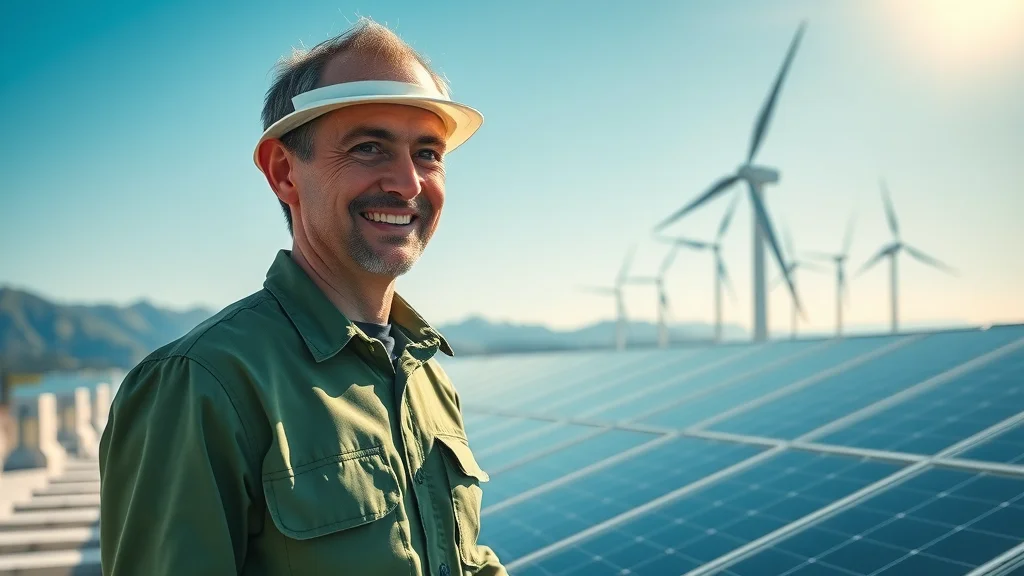
The surge in ai data center expansion brings environmental responsibilities that can’t be ignored. As power consumption rockets, questions about sustainability and carbon footprint become central to the conversation. Data centers now account for a significant share of global energy demand, forcing both industry leaders and policymakers to rethink how digital growth can coexist with climate goals. The most forward-thinking projects are investing in renewable energy, innovative cooling systems, and green building standards to ensure responsible center growth. Initiatives like using recycled water for cooling and incorporating modular, upgradable infrastructure lessen the environmental toll. However, achieving real sustainability requires ongoing vigilance—balancing rapid expansion with thoughtful strategies around energy sourcing, waste reduction, and ecosystem impacts. As AI continues to drive up infrastructure needs, every stakeholder in the data center landscape must step up to shape sustainable solutions for the digital age.
Natural Gas, Nuclear Energy, and Renewable Solutions
The debate over the best energy sources for AI data centers is more than academic. While renewable power—solar, wind, hydro—is increasingly popular, many facilities rely on natural gas and even nuclear energy to ensure 24/7 reliability. Each approach presents trade-offs: natural gas offers dependable generation but carries a carbon cost, while nuclear promises low emissions yet faces regulatory and public perception hurdles. Innovative operators are blending renewable portfolios with advanced energy storage and emergency fossil fuel backup to create resilient, greener operations. Some of the world’s largest data centers now integrate on-site solar arrays, wind farms, and backup natural gas turbines, striving for carbon neutrality without compromising uptime. The race is on: can ai data center expansion innovate fast enough to align with global climate objectives and redefine what sustainable digital infrastructure looks like?
"Sustainable ai infrastructure is not just preferable—it’s inevitable for future-proofing data centers."
AI Training Demands: Fueling Data Center Innovation
Scaling Up: Meeting the Computational Needs of AI Training
At the heart of ai data center expansion lies the extraordinary computational appetite of modern ai training. Training advanced AI models—such as language processors or vision recognition systems—requires millions or even billions of parameters, demanding immense processing power, vast storage, and ultra-fast networking. This has driven a revolution in data center design: integrating powerful GPUs and TPUs, creating parallelized clusters, and developing custom hardware for efficiency. The relentless pursuit of AI optimization is pushing the boundaries of what current infrastructure can handle, with centers evolving into high-tech center campus environments. It’s not just about adding more servers—it’s about architecting flexible, scalable systems that can adapt to each new wave of AI advancement. In this race, successful data centers leverage smart automation, robust cooling systems, and fine-tuned orchestration to achieve peak performance and manage spiraling electricity demand.

AI Data Center Capacity Planning and Center Growth Strategies
Planning for ai data center capacity is both an art and a science. Operators must anticipate not only today’s AI workloads—but also tomorrow’s. This means designing for scalability, redundancy, and flexibility to accommodate evolving algorithms and market shifts. Effective center growth strategies include modular build-outs, cloud-native infrastructure, and regional diversification to distribute risk and meet local data sovereignty requirements. Thoughtful capacity planning ensures availability, low latency, and reliability even as workloads become more unpredictable and intensive. Whether launching a hyperscale center or regional cloud edge, success depends on balancing near-term agility with long-term infrastructure resilience. The smartest players integrate sustainability goals and emerging technologies like edge AI, allowing data centers to adapt quickly to both changing demands and climate imperatives.
Data Center Design Shifts Driven by Artificial Intelligence
The influence of artificial intelligence on data center design can’t be overstated. Today’s layouts prioritize dense compute clusters, advanced cooling innovations, and seamless automation—moving beyond the sprawling server aisles of yesterday. Designs now incorporate AI-powered energy efficiency solutions, predictive maintenance, and automated load balancing. Airflow optimization, real-time heat mapping, and intelligent routing reduce waste and boost performance, allowing operators to maximize every square inch of capacity. As AI models become larger and inference tasks more demanding, expect data centers to become increasingly specialized—supporting everything from edge deployment in autonomous vehicles to quantum-ready clusters. Tomorrow’s ai data centers will look radically different: intelligent, autonomous, and environmentally harmonized.
Current Challenges in AI Data Center Expansion
Navigating AI Data Supply Chain Complexities
In the drive for rapid ai data center expansion, supply chain complexities pose some of the most stubborn hurdles. Sourcing high-demand chips, networking gear, and bespoke hardware often leads to shipping delays, price volatility, and regional shortages. The global race for semiconductor capacity has led to price spikes and fierce competition among tech firms. Disruptions from geopolitical tensions, natural disasters, or pandemics further strain the system. These challenges force data center builders to rethink procurement, emphasizing local partnerships, risk management, and flexible supply agreements. Some leaders are even moving toward vertical integration, directly investing in upstream component fabrication or prefabricated construction modules to sidestep bottlenecks. Addressing persistent supply chain vulnerabilities is the single biggest factor that could shape the pace and direction of future ai data center growth.
Energy Consumption and Carbon Emissions in Data Centers
As energy demand soars, so do concerns about carbon emissions. Even with improvements in efficiency, the combined electricity consumption of global data centers rivals that of small countries—a trend exacerbated by AI workloads. Fossil fuel reliance, notably natural gas, persists in many regions that lack easy access to renewable generation or nuclear power. Modernization efforts now focus on technologies like direct liquid cooling, AI-managed load shifting, and renewable power purchase agreements. Yet, the industry still confronts a stark reality: unchecked growth could erode climate gains unless every phase of center construction, operation, and upgrades is paired with aggressive sustainability standards. Monitoring and transparency through third-party carbon reporting are becoming non-negotiable, enabling both public accountability and strategic decision-making for a cleaner digital future.
"AI data center expansion keeps pushing technical and ethical edges—can we keep up?"
Positive Impacts of AI Data Center Expansion
Driving Innovation in AI Infrastructure
The push for ai data center expansion has turbocharged innovation across the tech landscape. New methods for cooling, power distribution, and workload management have emerged, catalyzed by AI training’s relentless resource demands. Companies are inventing smarter energy management systems, deploying modular hardware that can adapt as models grow, and leveraging open-source AI infrastructure platforms to share breakthroughs. These advancements set fresh benchmarks for efficiency and reliability, pushing the entire data center industry into a new era. The ripple effect: distributed cloud models, edge computing, and new high-performance network architectures are becoming commonplace, benefiting everything from smart cities to health care analytics.

Boosting Regional Economies and Talent Pools
Large-scale data center projects mean more than just upgraded tech—they also inject vitality into local communities. New sites attract construction workers, skilled technicians, engineers, and supply chain professionals, creating sustainable high-tech job markets. For secondary cities and rural regions, an ai data center can be transformative, spurring growth in education, infrastructure, property values, and even renewable energy adoption in surrounding areas. Regions establishing themselves as data center hubs often see corresponding booms in talent retention and STEM workforce diversity, linking digital innovation with economic opportunity in direct and tangible ways.
Improving Scalability and Reliability of Data Centers
AI-led data center expansion is rewriting the rulebook for scalability and reliability. Smart monitoring, predictive maintenance, and dynamic load distribution allow centers to operate at maximum efficiency, minimizing downtime and extending the life of expensive assets. The result: better service levels, faster deployment of new digital tools, and robust disaster recovery capabilities. In an age when downtime can costs millions, the ability to scale intelligently while maintaining resilience gives organizations a clear—and essential—edge.
Risks and Potential Downsides of Unchecked AI Data Center Expansion
Resource Constraints and Environmental Risks
For all its promise, unchecked ai data center expansion carries significant risks. Overconsumption of water, depletion of critical minerals, and increased demand on power grids can strain local and global resources. If expansion occurs without rigorous environmental standards or without investing in clean energy, this growth could inadvertently worsen climate change and local air quality. Regions especially dependent on fossil fuel power or lacking strong regulatory oversight may become flashpoints for environmental justice issues. In this sense, responsible center development is as much about global stewardship as it is about digital transformation.
Geopolitical Factors in Data Center and AI Infrastructure
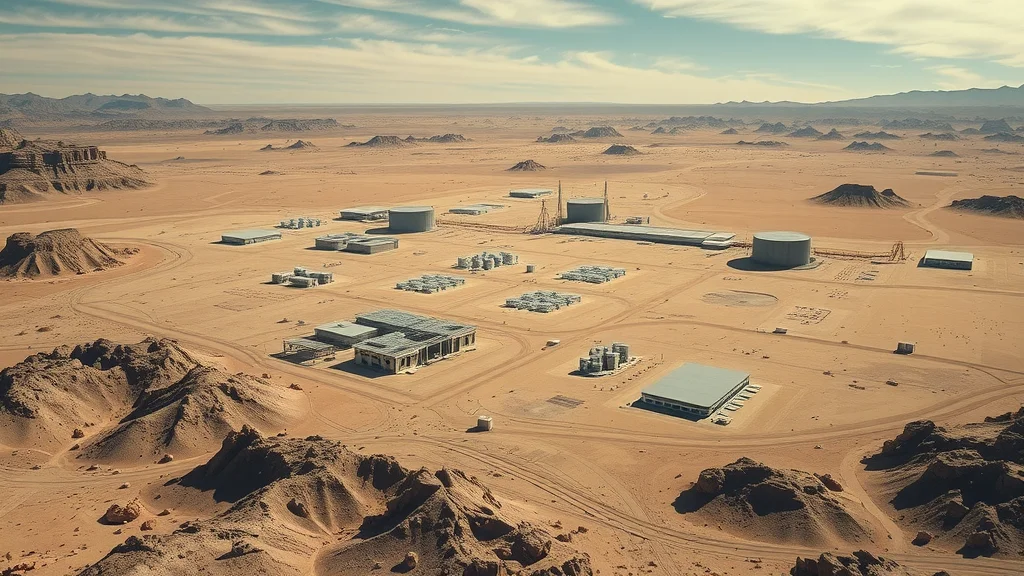
The movement of data, the flow of hardware, and competition for emerging technologies are all caught in a web of geopolitical tensions. The location of data centers increasingly reflects concerns over data sovereignty, national security, and resilience in the face of cyberthreats. Trade policies—especially between the United States, China, and the European Union—shape the availability and cost of critical components, influencing where centers are built. This evolving landscape raises tough questions about who controls the digital infrastructure and who benefits most from its growth. For organizations eyeing international expansion, staying ahead of regulatory change and local political volatility is critical to mitigating long-term risks.
"Unchecked ai data center expansion could amplify global inequalities and strain resources."
Expert Perspectives on the Future of AI Data Centers

What Industry Thought Leaders Are Saying
Across the board, industry thought leaders agree: the fusion of artificial intelligence and data centers will shape competitive advantage for the next decade and well beyond. Experts point to the need for agile, modular infrastructure; strategic investments in clean energy; and a collaborative, multi-stakeholder approach to meet global sustainability and data mobility demands. “We are at the dawn of a new era,” says one cloud infrastructure executive. “Those who solve the twin challenges of scale and sustainability will dominate the AI-powered digital economy. ” With governments also setting firmer standards for center efficiency and emissions, expect rapid innovation in automation, hardware, and global partnerships.
"The fusion of artificial intelligence and data centers will define competitive advantage in the decade ahead."
Predictions for AI Data, Training, and Infrastructure
Looking forward, analysts anticipate double-digit growth in data center construction, wider adoption of renewable energy, and the rise of regional AI infrastructure clusters outside traditional tech hubs. Expect to see breakthroughs in quantum and neuromorphic computing, custom AI chips, and edge-location mini-centers for low-latency applications. In essence, the next five years will witness not just physical expansion but a qualitative leap in how data centers operate—enabled by AI, backed by sustainable practices, and shaped by global cooperation.
People Also Ask: Your Questions on AI Data Center Expansion
What is ai data center expansion and why is it important?
AI data center expansion involves building and upgrading digital infrastructure to support the explosive growth of artificial intelligence applications. This expansion ensures that businesses, research institutions, and governments can tap into advanced computing power and manage massive data sets efficiently. It’s important because it empowers the technologies behind smart devices, modern healthcare, fintech, and more. Without it, AI innovation would slow down, and digital services could become less reliable or available.
How does ai infrastructure influence data center growth?
AI infrastructure—composed of specialized hardware, software, and energy systems—is the backbone enabling sophisticated AI models and services. It demands scalable, high-performance data centers capable of handling intensive training and real-time inference. As AI advances and workloads intensify, data center growth accelerates to keep pace, driving innovations in energy management, cooling solutions, and operational efficiency.
What role do supply chain factors play in AI data centers?
Supply chain factors are critical to the timely expansion of AI data centers. Sourcing advanced chips, networking gear, and power components often faces global shortages, port delays, and regional logistics hurdles. Persistent supply chain issues can cause delays, increase project costs, and create geographic disparities in digital infrastructure. Robust, diversified, and resilient supply chains are therefore essential for sustainable and reliable development.
Is the use of natural gas and nuclear energy in ai data centers sustainable?
Both natural gas and nuclear energy offer unique trade-offs for powering AI data centers. Natural gas provides reliability but has a carbon footprint, while nuclear energy is emissions-free but faces regulatory and waste disposal challenges. The sustainability of each depends on regional energy policies, carbon reduction targets, and advances in clean energy integration. Combining renewables, energy storage, and efficiency measures can further enhance the long-term sustainability of data centers.
Answer: What is ai data center expansion and why is it important?
AI data center expansion refers to enlarging and modernizing digital infrastructure to support data processing and storage needs driven by artificial intelligence. It ensures businesses and communities have the resources required for AI-driven applications—from smart manufacturing to automated healthcare—boosting innovation, economic growth, and global competitiveness.
Answer: How does ai infrastructure influence data center growth?
AI infrastructure dictates how rapidly and effectively data centers can evolve. The complexity and scale of modern AI workloads push the envelope on network capacity, computational hardware, and cooling technology, necessitating continual investment in more robust, flexible, and greener data center facilities.
Answer: What role do supply chain factors play in AI data centers?
Supply chain efficiency and resilience are vital in ensuring ai data centers get the parts, technology, and materials they need without delays or cost overruns. Any bottleneck—from semiconductor shortages to logistics disruptions—can impact the speed, cost, and geographic reach of AI data center development.
Answer: Is the use of natural gas and nuclear energy in ai data centers sustainable?
Natural gas and nuclear energy each have advantages and drawbacks. Natural gas ensures stable energy supply but comes with emissions, while nuclear provides cleaner, longer-term power but is complex to deploy. The most sustainable path combines renewables, nuclear, and efficient technologies to support ai data center operations while achieving climate objectives.
FAQs About AI Data Center Expansion
-
How fast is ai data center expansion happening globally?
The growth rate is accelerating rapidly, with major tech companies expanding or building new data center campuses in dozens of regions each year. Estimates suggest global data center capacity could double within a decade, primarily due to AI workload increases. -
Are renewable energy options viable for future ai data centers?
Yes, renewables like solar and wind are increasingly viable, especially when paired with energy storage solutions. Many new facilities aim for carbon neutrality by integrating renewables and purchasing clean energy credits. -
What are best practices for ai infrastructure planning?
Prioritize modular, scalable designs; leverage AI-powered operations and monitoring for efficiency; use diverse energy sources; and adopt strong cybersecurity and supply chain risk management protocols. -
How do ai training requirements shape new data center designs?
AI training demands high-density compute resources, robust networking, and advanced cooling, pushing data centers to adopt specialized hardware layouts and automated energy management systems for effective operation. -
Which regions are leading in ai data center investments?
North America (especially the United States), Western Europe, and East Asia are leading, with growing investments also in the Middle East and Southeast Asia as digital economies mature.
Key Takeaways: Making Sense of the AI Data Center Expansion Boom
- AI data center expansion is essential for the evolution of artificial intelligence.
- Center growth presents both unprecedented opportunities and notable challenges.
- Sustainability must remain at the forefront of ai infrastructure decisions.
- Data center industry leaders are calling for collaborative, forward-thinking solutions.
Editorial Conclusion: Navigating the Path Forward in AI Data Center Expansion
"The future belongs to those who can expand intelligently and sustainably. The ai revolution in data centers is only just beginning."
Recommended Resource: Check Out the Reach Solar Review for Energy Solutions
Check Out. . . the. . . Reach Solar Review: https://reachsolar. com/seamandan/#about
Sources
- Data Center Knowledge – https://www.datacenterknowledge.com/industry-perspectives/how-ai-data-centers-are-driving-infrastructure-expansion
- U.S. Department of Energy – https://www.energy.gov/articles/ai-and-data-center-energy-demand
- GreenBiz – https://www.greenbiz.com/article/ai-boom-raises-stakes-data-center-sustainability
- MIT Technology Review – https://www.technologyreview.com/2023/10/07/1072198/data-centers-sustainability-ai-energy-use/
- Data Center Frontier – https://datacenterfrontier.com/ai-drives-demand-for-hyperscale-data-centers/article/10817513/
The rapid expansion of AI data centers is reshaping the global digital infrastructure landscape. For a comprehensive understanding of this transformation, consider exploring the following resources: “AI to Drive 165% Increase in Data Center Power Demand by 2030” (goldmansachs. com) This article by Goldman Sachs Research delves into the projected surge in power demand driven by AI advancements, highlighting the significant implications for data center operations and energy consumption. “Global Data Center Sector to Nearly Double to 200GW Amid AI Infrastructure Boom” (jll. com) JLL’s report provides insights into the anticipated growth of the data center sector, emphasizing the role of AI in driving this expansion and the associated investment opportunities. These resources offer valuable perspectives on the challenges and opportunities presented by AI-driven data center expansion, equipping you with the knowledge to navigate this evolving landscape.






Write A Comment