

Did you know? Over 300 million tons of plastic are produced every year, with less than 10% effectively recycled — the rest pollutes our oceans, lands, and communities. The environmental crisis created by plastic waste affects everyone, but an unlikely hero has emerged: artificial intelligence. In this opinion piece, we’ll explore how AI powered recycling of plastic waste is radically transforming how we manage one of humanity’s biggest pollution problems, what it means for the future—and how you can help spark the change.
Startling Facts: The Urgent Need for AI Powered Recycling of Plastic Waste
"Over 300 million tons of plastic are produced every year, with less than 10% effectively recycled — the rest pollutes our oceans, lands, and communities."

Despite advances in waste management, our world is faced with a sobering reality. Mountains of plastic waste pile up in landfills and float in our oceans, harming wildlife and human communities alike. Only a small fraction is ever truly recycled, and with global production continuously rising, the consequences are getting worse. In North America and the United States alone, plastic consumption grows every year, outpacing traditional recycling system capabilities. Human workers struggle to cope, and sorting facilities are stretched thin. Conventional methods to sort plastic items often miss complex materials, sending recyclable resources directly to landfill. Clearly, urgent solutions are needed—to both increase our recycling rate and address the environmental damages from virgin plastic production.
The good news? Technological leaps in machine learning and artificial intelligence offer a powerful alternative. Powered by AI, new sorting systems and waste analytics can process thousands of items per minute, improving accuracy and efficiency in recycling plants. By using smart sensors, robotic arms, and real-time data, these advanced systems are beginning to redefine what’s possible in plastic waste management—and might finally help us turn the tide on pollution. But why does this matter so much right now? Because every discarded bottle, bag, or wrapper not recycled is one more step away from a livable, sustainable planet.
What You'll Learn About AI Powered Recycling of Plastic Waste
- The role of artificial intelligence in revolutionizing plastic waste management
- How machine learning enhances recycled content sorting
- Impacts on waste analytics and sustainability
- Challenges and opportunities for brand owners in waste management
Artificial Intelligence: The Catalyst for Change in Plastic Waste Management
There’s no overstating it—artificial intelligence is the key technology ushering in a revolution in how societies handle plastic waste. By incorporating machine learning and AI-driven robotics into everyday operations, today’s leading recycling facilities can identify and sort plastic types more precisely and quickly than ever before. This means higher recycling rates and less contamination in recycled content, making it more valuable for industry use. The change is not just theoretical: in forward-thinking cities and major waste management companies, AI is already reducing costs, boosting sustainability, and setting new standards for environmental stewardship.
Major brand owners and municipalities are joining this movement, attracted by the promise of data-driven decisions and increased compliance with recycling regulations. As demand for recycled plastic and eco-friendly materials grows, AI-powered systems are providing the precision and speed needed to transform waste streams into true resources—promoting a circular economy where plastics are used, reused, and never wasted. This technological shift signals not just a change in processes, but a fundamental transformation of our relationship with plastic as a material.
As AI continues to reshape the recycling landscape, it's important to recognize how broader policy and economic factors can also influence the adoption of sustainable technologies. For example, shifts in political priorities can have a significant impact on the growth of green industries, as seen in the challenges facing offshore wind jobs in America due to recent political actions. Understanding these dynamics can help stakeholders anticipate and navigate obstacles in the journey toward a cleaner planet.
How AI Powered Recycling of Plastic Waste Works in Practice
- Integration with waste analytics platforms
- Optimizing recycling streams via machine learning
- Enhancing recycled content with real-time data
"Machine learning is reshaping recycling — from waste sorting robots to predictive analytics, the entire plastics industry is being transformed." — Dr. Amelia Crane, Waste Innovation Leader
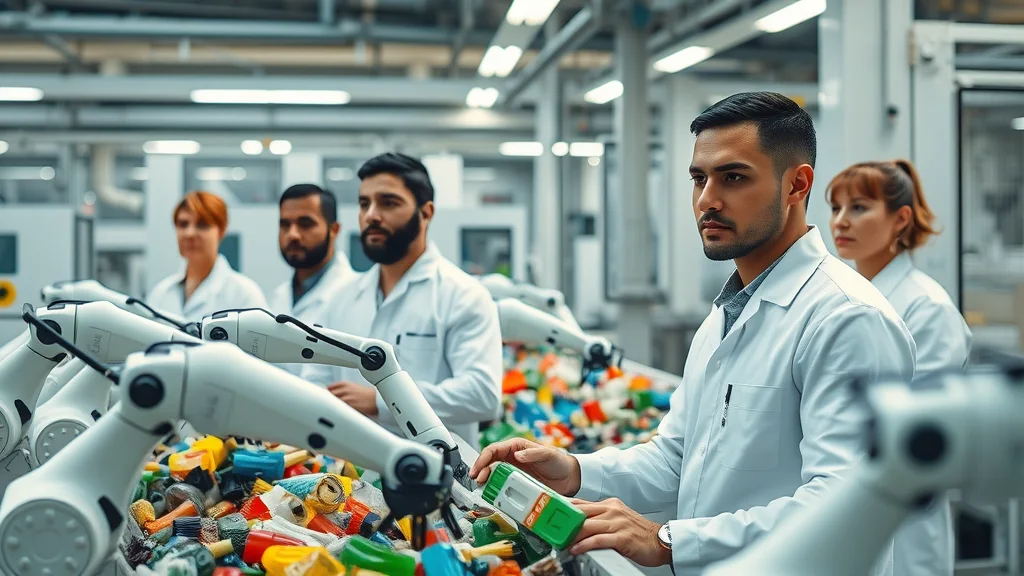
In practical terms, AI powered recycling of plastic waste relies on a synergy between high-resolution cameras, smart sensors, and advanced software. These systems analyze plastic types based on color, shape, chemical composition, and even barcode information. Machine learning algorithms are trained on huge datasets to spot subtle differences and contaminants, enabling robotic sorting systems to identify and sort plastics that human eyes might miss. The result? Cleaner, purer batches of recycled content, which are crucial for industry reuse.
Integration with waste analytics platforms means data from every step—collection points to materials recovery facilities—can be monitored in real time. This empowers recycling plant managers to optimize waste streams, reduce downtime, predict maintenance needs, and continually improve the recycling rate. Ultimately, it transforms how recycling plants operate, making them more responsive and environmentally friendly than ever before.
Machine Learning and Waste Analytics: Transforming the Future of Plastic Waste
The adoption of machine learning in waste management represents a leap forward for both efficiency and environmental impact. Historically, the challenge of plastic waste wasn’t just the sheer volume—it was the complexity of sorting mixed materials and contaminants. Now, with AI-powered waste analytics, waste streams can be tracked, measured, and optimized in ways that were once impossible.
Data collected by smart sorting facilities allows for deeper insights: which materials are entering the recycling stream, where bottlenecks occur, and how to improve recycling rates week over week. This not only boosts output but drastically reduces the environmental harm caused by poorly sorted plastics leaching into landfills and waterways. Waste analytics powered by artificial intelligence make it finally possible to close the loop on the plastics lifecycle.
Advances in Waste Analytics Powered by Artificial Intelligence
- Smart recognition of plastic types
- Improving recycling efficiency
- Leveraging data to reduce environmental impact
The latest AI-driven systems in major recycling plants use computer vision and machine learning to instantly recognize various types of plastics—even those that traditional sensors cannot easily distinguish. This smart recognition is crucial in sorting items destined for different recycling streams (for example, clear PET bottles versus opaque HDPE containers). The outcome is a marked increase in recycling accuracy and recycled plastic yield, benefiting both the environment and businesses seeking high-quality raw material alternatives to virgin plastic.
Waste analytics also help industries and governments leverage data to minimize their environmental impact. By tracking contamination levels, collection point efficiency, and output quality, stakeholders can identify patterns, adjust sorting protocols, and plan future investments more effectively. As AI and analytics platforms get more sophisticated, the promise is simple: waste becomes less wasteful, and sustainable practices become the norm, not the exception.
Brand Owners & Recycled Content: Why AI Powered Recycling Matters for Business
The imperative to reduce plastic waste is not just moral; it’s economic. Today’s brand owners face tough expectations from regulators, consumers, and investors alike. Meeting recycled content targets, minimizing environmental footprint, and maintaining product quality have become key factors for long-term business success. That’s where AI powered recycling of plastic waste aligns directly with business goals.
Artificial intelligence ensures that recycled plastics used in packaging or product design meet strict criteria for purity, color, and composition. This not only aids in regulatory compliance but helps companies gain a competitive edge through documented sustainability. As the global market increasingly favors products with high recycled content, brands that invest early in AI-powered waste analytics will position themselves as leaders in the shift toward circular economy principles.
Meeting Sustainability Goals with Artificial Intelligence
More brands are using artificial intelligence to trace, verify, and optimize recycled content in their supply chains. By integrating waste analytics and robotic sorting systems with enterprise resource planning, companies can track every step from collection points to finished goods—ensuring transparency and maximizing the value of their recycling efforts.
This data-driven approach makes it easier for businesses to communicate their sustainability achievements to stakeholders—helping them meet, or even exceed, evolving regulations on recycled content and plastic waste reduction.
Boosting Recycled Content in Products Using Machine Learning
- Enhanced compliance with regulatory standards
- Gaining competitive edge through sustainability

Machine learning doesn’t just help in the sorting phase. For brand owners, it offers new ways to boost recycled content in product lines while protecting quality. By analyzing performance data from materials recovery facilities, companies can choose the best recycled inputs, adjust formulas, and meet or exceed compliance targets. Ultimately, those who embrace AI powered recycling stand to benefit from growing consumer demand for responsible products and the global push for stricter environmental standards.
Key Benefits: AI Powered Recycling of Plastic Waste for the Planet
- Reduces landfill and ocean pollution
- Improves recycling accuracy and output
- Lowers energy consumption in waste management
- Promotes circular economy initiatives
Tackling plastic waste at scale requires solutions that go beyond the capabilities of traditional recycling systems. By leveraging AI and machine learning, societies can not only improve recycling rates but also reduce the carbon footprint of waste operations, conserve natural resources, and keep plastics out of fragile ecosystems. These advances reinforce the planet-first approach many governments and organizations are adopting—and signal the future for circular, closed-loop economies worldwide.
The path forward isn’t without its obstacles, but the multi-level benefits—from cleaner oceans to sustainable businesses—make AI-powered recycling a game-changer.
Addressing Challenges in AI Powered Recycling of Plastic Waste
- Current limitations of machine learning technologies
- High initial investment costs for waste management infrastructure
- Data quality and integration issues
"For AI powered recycling to yield real impact, industry collaboration and greater investment in advanced analytics are needed." — Jessica Park, Sustainability Strategist

While the promise of AI powered recycling of plastic waste is immense, some hurdles remain. Machine learning technologies, while powerful, still sometimes struggle with highly contaminated or mixed plastics that defy easy identification. The cost of outfitting recycling plants with advanced sensors, robotic arms, and high-speed data systems can be prohibitive—especially for small municipalities or rapidly growing regions in the global south.
Data quality is another significant challenge; without consistent, high-fidelity data from every stage of waste management, even the most sophisticated AI algorithms can deliver suboptimal results. The solution? Broader industry collaboration and smart investment. As more stakeholders contribute data, best practices, and financial resources, the potential for AI powered recycling to scale successfully becomes much greater.
PAA: How does AI improve plastic recycling accuracy?
Exploring How Machine Learning Boosts Waste Sorting and Analytics
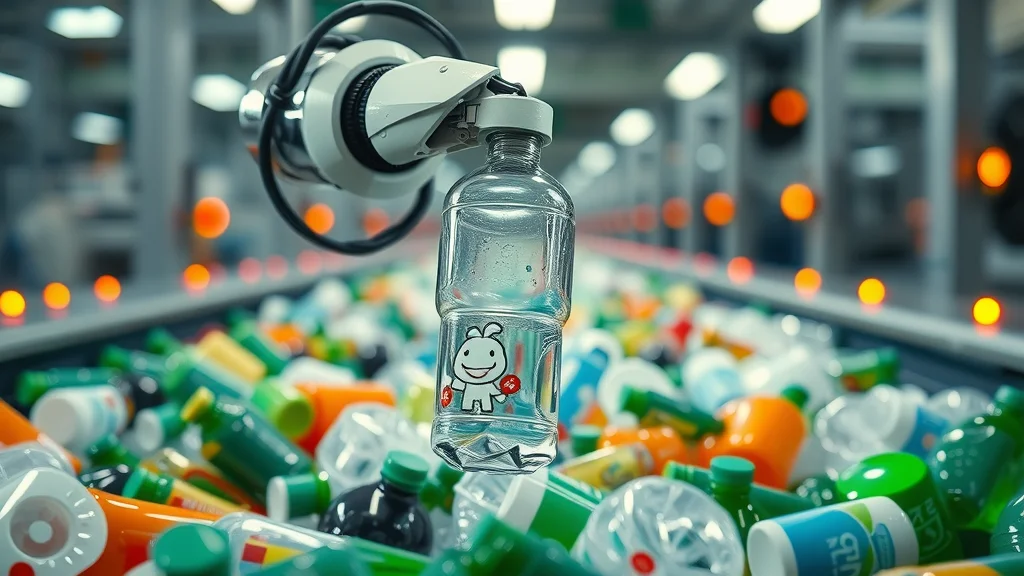
Artificial intelligence improves the recycling of plastic waste by using machine learning to identify and sort plastics with a level of precision and speed never before possible. In materials recovery facilities and sorting facilities around the world—including in the United States and North America—AI-driven systems can recognize subtle differences between plastics by color, transparency, and chemical makeup, then use robotic sorting arms to separate them quickly. This means fewer recyclables are sent to landfill due to contamination and more high-quality recycled content is recovered for use in new products. By relying less on human workers, recycling plants can also process more items per minute, lowering labor costs while improving overall recycling rates.
With integrated sensors and real-time waste analytics, recycling facilities gain a dashboard view of waste streams, helping to identify weak points and optimize recovery. These improvements are critical in enabling industries, governments, and brand owners to meet ambitious sustainability and compliance goals.
PAA: What are the advantages of AI powered recycling of plastic waste?
Benefits of Integrating Artificial Intelligence into Plastic Waste Management
Integrating artificial intelligence into plastic waste management brings multiple tangible benefits: reduced environmental pollution, greater recycling accuracy, better management of resources, and significant cost savings. AI-powered sorting systems identify and sort plastic at speeds and with a consistency human workers simply cannot match—especially important as the volume of plastic waste continues to grow.
These systems enable recycling plants to enhance recycling rates and quality of recovered materials. With smarter sorting, the output is purer recycled content, reducing the need for virgin plastic and promoting sustainability. By leveraging comprehensive waste analytics, cities and companies can make better decisions, streamline operations, and adapt more rapidly to regulatory and market changes.
PAA: Can AI powered recycling support a circular economy?
Promoting Circularity through Machine Learning Waste Analytics
Absolutely—AI powered recycling of plastic waste is one of the most prominent tools driving the global shift toward a circular economy. By maximizing the quality and traceability of recycled plastics, machine learning systems support the continual reuse of resources, instead of the single-use, throwaway model that dominates today’s plastics industry.
Circularity is made possible when waste analytics platforms track every step in the journey of a piece of plastic—from product design, to consumer use, to recovery and recycling, and finally to rebirth as a new product. These data insights empower brand owners, governments, and collection agencies to close gaps in the recycling loop, optimize recovery facilities, and invest where the biggest impact can be made. In short, AI-driven analytics are essential to realizing the dream of plastics never becoming waste in the first place.
Case Studies: Real-World Impact of AI Powered Recycling of Plastic Waste
- European city achieves 40% higher recycling efficiency via AI robotics
- Global brand owner uses machine learning to meet recycled content targets
- Startup leverages artificial intelligence for innovative waste management solutions
| Company/City | AI Application | Key Outcome |
|---|---|---|
| Amsterdam | Machine Learning Sorting | 40% improved recycling rate |
| EcoBrands | Recycled Content Analytics | Compliance with 2025 sustainability targets |
| Greentech | Waste Analytics Dashboard | Real-time process optimization |
These case studies showcase how cities and companies are successfully using AI powered recycling of plastic waste to increase efficiency, boost sustainability, and deliver measurable results. In Amsterdam, for example, the introduction of AI-enabled robotic sorting systems in recycling plants pushed the city’s recycling rate up by 40%. Global giant EcoBrands uses waste analytics to monitor and adjust recycled content in packaging, allowing for compliance with stringent 2025 standards. Meanwhile, startups like Greentech leverage real-time dashboards to optimize every aspect of the waste stream, reducing both costs and environmental impact.
Key Takeaways: The Promise of AI Powered Recycling of Plastic Waste
- AI powered recycling of plastic waste is revolutionizing sustainability practices
- Artificial intelligence enables precision in waste management operations
- Brand owners and governments need to invest in advanced waste analytics
The evidence is clear: AI powered recycling of plastic waste offers far-reaching benefits for people, planet, and profit. It’s a revolution in the making—and everyone has a chance to be part of the solution.
FAQs about AI Powered Recycling of Plastic Waste
-
How is machine learning used in AI powered recycling of plastic waste?
Machine learning processes vast amounts of real-time data from recycling streams. It enables automated systems to identify, sort, and process plastic waste with higher speed and accuracy than human workers, optimizing the recycling stream and producing cleaner, higher-quality recycled plastic for industrial reuse. -
What are the future prospects for AI powered recycling technology?
The future is bright! As machine learning algorithms improve and more data becomes available, recycling plants will reach new heights of efficiency. Expect smarter sorting robots, predictive maintenance, and seamless integration with smart city infrastructure—making recycling easier and more sustainable everywhere. -
Can small municipalities adopt artificial intelligence for plastic waste management?
Yes. Many providers now offer scalable, modular AI solutions that can be installed even in small or rural facilities. While costs can be a barrier, increased efficiency and savings on labor and landfill fees often offset these investments over time.
Conclusion: Unlocking a Sustainable Future with AI Powered Recycling of Plastic Waste
The future of our planet hinges on transformative solutions—AI powered recycling of plastic waste delivers environmental impact, economic value, and hope for generations to come.
How You Can Get Involved: Join the AI Revolution in Recycling
Ready to make a difference? Become a AMPLIVO / CORSAIR Plastic Independent Affiliate and help power a cleaner world: https://jointhecleanup. com/seamandan
As you reflect on the transformative potential of AI in recycling, consider how interconnected our environmental and economic futures truly are. The journey toward a sustainable planet is shaped not only by technological innovation but also by the policies and market forces that drive adoption. For a deeper understanding of how political decisions can influence the growth of green industries and the creation of sustainable jobs, explore the broader context in this analysis of political impacts on offshore wind employment in America. By staying informed and engaged, you can help champion both advanced recycling solutions and the supportive frameworks needed to ensure a cleaner, more resilient future for all.
Sources
- National Geographic – https://www.nationalgeographic.com/environment/article/plastic-pollution
- Resource Recycling – https://resource-recycling.com/plastics/2019/09/18/ai-helps-drive-new-recycling-plant-sortation/
- Science Daily – https://www.sciencedaily.com/releases/2023/05/230519141107.htm
- CNBC – https://www.cnbc.com/2023/07/20/how-artificial-intelligence-is-changing-the-recycling-industry.html
- UNEP – https://www.unep.org/news-and-stories/story/how-artificial-intelligence-helping-fight-plastic-pollution
Artificial intelligence (AI) is revolutionizing plastic waste recycling by enhancing sorting accuracy, increasing processing efficiency, and reducing operational costs. AI-powered systems utilize advanced sensors and machine learning algorithms to identify and separate various plastic types with high precision, leading to purer recycled materials and higher market value. (recyclingtoday. org) Additionally, these technologies enable recycling facilities to process larger volumes of waste more rapidly, addressing the growing challenge of plastic pollution. (okonrecycling. com) For a deeper understanding of how AI is transforming the recycling industry, consider exploring the article “How AI is Helping Improve Plastic Recycling Efficiency,” which discusses the implementation of AI-powered robots that can identify and sort plastics by type and color, significantly enhancing sorting efficiency. (recyclingtoday. org) Another valuable resource is “How AI, Robotics, and Chemical Recycling Are Revolutionizing Waste Management,” which delves into the integration of AI and robotics in waste processing facilities, highlighting improvements in efficiency and worker safety. (okonrecycling. com) These resources provide comprehensive insights into the pivotal role of AI in advancing sustainable waste management practices.






Write A Comment