

Did you know that U. S. consumption from data centers is projected to nearly double in the next five years, with artificial intelligence accelerating this curve? The AI data center race across 50 states is not just a tech trend—it's a transformative movement shaping American infrastructure, local economies, and energy grids at record speed. From Silicon Valley to the heartlands, this race is rewriting the rules of digital power, job creation, and even the size of your electricity bill. Buckle up as we dive into the stats, the stakes, and the surprises driving the next era of American innovation.
A Startling Surge: The AI Data Center Race Across 50 States
The AI data center race across 50 states is reshaping the American landscape in ways no one could have predicted just a few years ago. Data centers have long been the silent backbone of the digital economy. But in 2024, fueled by an unprecedented boom in artificial intelligence and cloud services, these behemoths are multiplying at breakneck speed from coast to coast. Behind every virtual assistant, every automated recommendation, and every generative AI tool lies an immense physical infrastructure, consuming vast quantities of power and real estate.
According to recent industry analyses, data center development has nearly doubled since the pandemic, and the surge is far from over. States are locked in a high-stakes competition, offering tax breaks and incentives to lure new projects while grappling with surging electricity prices and the environmental impact of all those blinking servers. Tech companies, including big tech giants and emerging AI startups, have recognized that whoever controls the most powerful, energy-efficient data centers will lead the next wave of economic growth and digital innovation. For citizens, this means not only more opportunities but also bigger questions about sustainability, resource allocation, and local infrastructure readiness.
Unprecedented Growth: Key Statistics of the AI Data Center Race
"Did you know U.S. consumption from data centers will nearly double in the next five years, with artificial intelligence accelerating the curve?"
Over the last decade, the United States has gone from hosting a few dozen major data centers to now boasting thousands—many of which are specifically designed for AI workloads. As of 2024, the country accounts for nearly one-third of the world’s total data center capacity, with considerable investment flowing from household names like Amazon Web Services, Google, Meta, and Microsoft. Experts estimate that data centers now account for roughly 4% of America’s total electricity usage, and that figure could reach 8% by 2030 as AI data centers proliferate.
In states like Virginia and Texas, permits for new data center construction are hitting all-time highs, with billions invested in ultra-modern facilities that house both storage and custom AI processors. What’s more, the rapid spread of AI data centers is fostering a new landscape of competition between regions, with smaller states and rural areas entering the race thanks to cheaper land, supportive policies, and improved grid access.
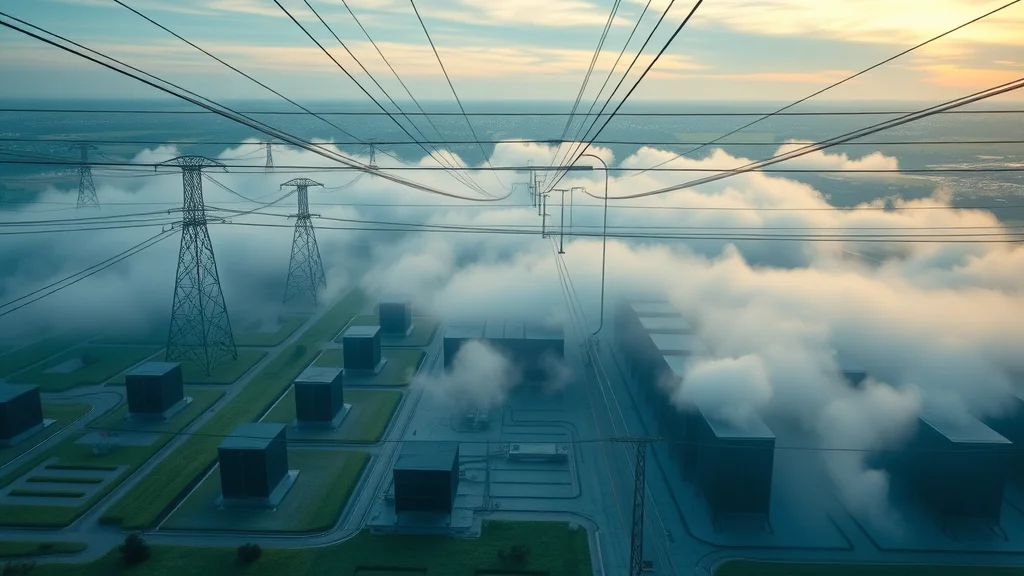
How the AI Data Center Race is Reshaping the Nation
The impact of the AI data center race across 50 states extends far beyond the technology sector. Entire state economies are being transformed as local governments offer tax incentives and public infrastructure to attract data center development. Major tech companies are creating clusters of specialized AI infrastructure, leading to job growth—not just in IT roles, but also in construction, security, maintenance, and logistics. The influx of these projects puts new pressure on electricity grids, often leading to upgrades or, in some cases, moratoriums on new data center projects until utilities can catch up.
Meanwhile, escalating demand for energy has sparked renewed debates about resource management. States with thriving data center hubs, like Virginia’s “Data Center Alley,” have seen property values surge and entire municipalities refocus their economic agendas around this growth. On the other hand, regions slow to adapt face the risk of missing out on high-value jobs, tech investment, and the broader economic uplift brought by the AI revolution. As artificial intelligence intertwines more deeply with American life, the data center race becomes a microcosm for understanding the nation’s technological future.
What You'll Learn About the AI Data Center Race
Major drivers behind the AI data center race across 50 states
Impacts of electricity prices and energy consumption from data centers
The role of tech companies and artificial intelligence in shaping this growth
Regional trends and state-by-state data
Critical challenges and opportunities for the future
Understanding AI Data Centers: The New Backbone of Innovation
What is an AI Data Center and How Does it Differ?
At their core, AI data centers are specialized facilities engineered to host high-performance computing resources required for modern artificial intelligence workloads. While traditional data centers handle vast amounts of web services and enterprise storage, AI data centers take this to a new level by integrating powerful GPUs, custom chips, and low-latency connectivity optimized for training large language models and running predictive algorithms. The intense computational requirements of artificial intelligence mean these sites demand more sophisticated cooling, energy management, and rapid scaling abilities than standard facilities.
Unlike typical server farms of years ago, today’s AI data centers are designed from the ground up for massive data throughput and real-time inference tasks—supporting everything from self-driving vehicle analytics to generative media. This shift has drawn aggressive investment from big tech, as owning the fastest and most sustainable AI infrastructure often translates directly into competitive advantage. For many states, supporting the construction of these ultra-modern centers has become a main driver of economic development and a magnet for national and international tech companies.
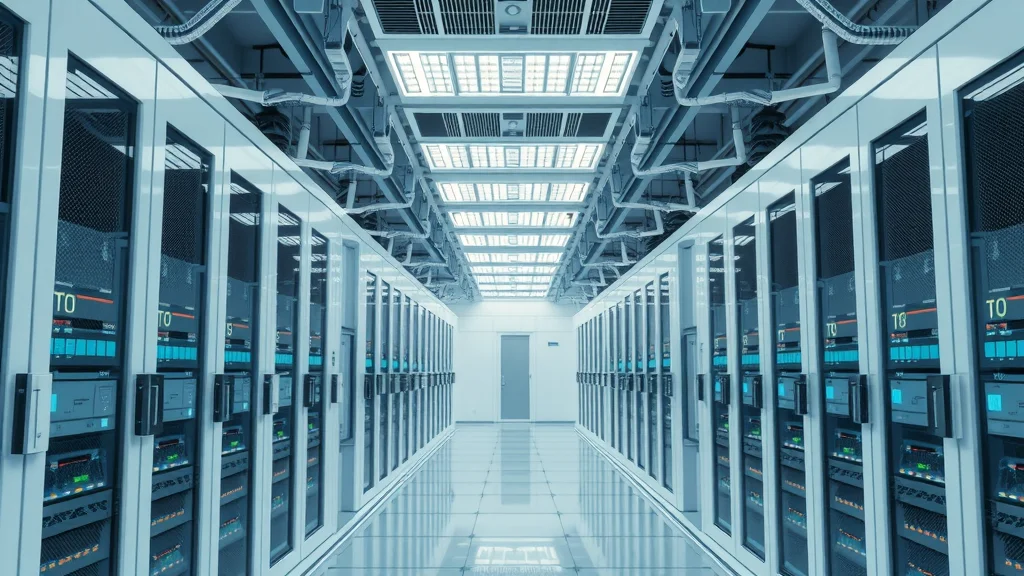
The Role of Artificial Intelligence in Data Centers
Artificial intelligence is both the reason for the current explosion in data center demand and the key driver of their evolution. Not only do these facilities host the complex hardware needed to train and deploy AI models, but they also increasingly incorporate AI-driven automation to optimize power consumption, cooling, and reliability. Environmental control systems powered by machine learning can dynamically adjust airflow or re-route workloads to maximize energy efficiency. In the context of the AI data center race across 50 states, this means greater operational savings for owners and a faster pace of deployment nationwide.
AI workloads are notoriously power-hungry. As companies roll out applications in health care, finance, logistics, and genomics, every new AI breakthrough creates additional demand for top-tier data center infrastructure. The symbiosis between artificial intelligence and the facilities themselves means that the data center landscape of tomorrow will likely look radically different than those of today—smarter, greener, and integral to every digital experience.
Why the AI Data Center Race Across 50 States Matters to Everyday Americans
If you’ve used a streaming service, placed a grocery order online, or interacted with a chatbot, you’ve benefitted from the data center boom. Yet the AI data center race across 50 states impacts average Americans in bigger, more tangible ways: job creation, property taxes, energy rates, and even their local environment. Many states now structure tax breaks and incentives around attracting these projects, while others debate moratoriums to prevent grid overload or mitigate local environmental impact.
As electricity prices fluctuate with added demand from data centers, household power bills may also be affected. Meanwhile, the presence of major tech companies can revitalize small towns and rural communities, creating hundreds of permanent jobs in places where economic growth has long stalled. At the same time, growing pains—like traffic, construction, and resource demands—are prompting a new conversation about how best to guide this digital gold rush for the benefit of all.
The Geopolitics of the AI Data Center Race Across 50 States
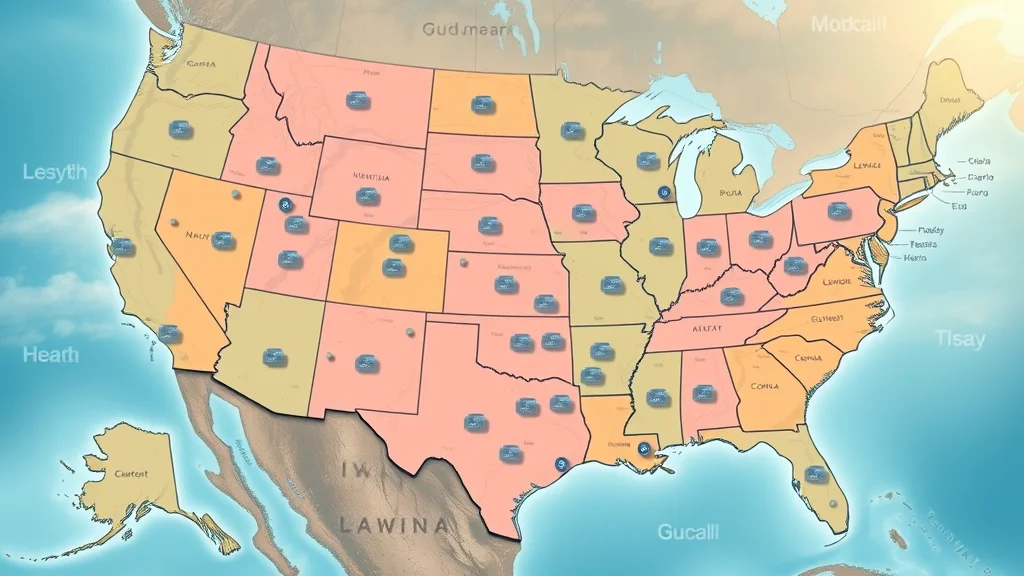
Mapping the Distribution: Where Are the Data Centers Rising Fastest?
The geography of the AI data center race across 50 states is anything but random. Leading tech companies—often working closely with states on tax incentives and utility deals—have clustered massive AI data center projects in select “hot zones. ” Virginia's Loudoun County claims the title of “Data Center Alley,” hosting the largest concentration of cloud computing in the world. Texas, with its abundant land and deregulated energy market, is quickly catching up, bringing the next wave of data center development to the South.
While other states like Georgia and Arizona are emerging as new hubs due to their friendly regulatory climates, low utility rates, and proximity to major urban markets, some areas miss out due to infrastructure bottlenecks or competing economic priorities. These distribution patterns not only influence regional job markets and economic growth but shape the very backbone of America’s digital future.
State-by-State Distribution of AI Data Centers, Energy Consumption, and Growth Rates |
|||
State |
# AI Data Centers |
% U.S. Total Energy Use |
Year-over-Year Growth Rate |
|---|---|---|---|
Virginia |
120+ |
1.8% |
12% |
Texas |
95+ |
1.3% |
14% |
Georgia |
55+ |
0.9% |
10% |
Arizona |
40+ |
0.8% |
11% |
California |
110+ |
1.5% |
7% |
New York |
30+ |
0.7% |
5% |
Energy Demand and the Soaring Electricity Bill: AI Data Centers in the Spotlight
Electricity Prices and the AI Data Center Race Across 50 States
As AI data center activity explodes, one of the most urgent flashpoints is its impact on electricity prices and the local electricity bill. Power is now the biggest single operational expense for major data center projects—often eclipsing construction costs and even salaries. In Texas and Virginia, grid operators have sounded alarms over skyrocketing demand curves, while utility commissions in states like California debate whether to adjust utility rates or cap new permits.
These rising costs reverberate throughout the local economies. For residents, heavier data center usage can impact their own power bills—especially in regions where utilities must upgrade lines, invest in new generation, or purchase higher-priced electricity on short notice. The AI data center race across 50 states has made energy a national focus—and with AI workloads only getting more power-hungry, this tension is likely to grow.

How Data Centers Impact State Electricity Grids
"In some states, data centers now rival entire cities in electricity usage – reshaping local power infrastructure. " The enormous appetite of AI data centers has fundamentally altered how state electricity grids are planned and managed. New data center projects can consume as much power as tens of thousands of residential homes. Utility providers are increasingly investing in dedicated substations and transmission lines just to support new or expanding data center clusters.
In fast-growing hubs like Northern Virginia, increased load from data centers has prompted sharp debates on whether to prioritize digital infrastructure over traditional civic needs. Meanwhile, some states are exploring direct partnerships with renewable energy producers, aiming to “green” their grid and cap power bills for residents even as center construction continues. The balancing act will test the ingenuity of policymakers as well as the technical prowess of grid operators well into the next decade.
Tech Companies in the AI Data Center Arms Race
Which Tech Companies Are Leading the AI Data Center Race Across 50 States?
If there’s a single unifying force behind the AI data center race across 50 states, it is the ambition—and deep pockets—of America’s major tech companies. Amazon Web Services, Microsoft, Google, Meta, and even newer players are investing tens of billions in both established tech regions and unexpected locales across the U. S. These companies seek more than just server space; they want a competitive edge in artificial intelligence, cloud services, and next-generation web applications.
The common thread? Whichever firm possesses the largest, fastest, and greenest data centers wins not just today’s technology race, but tomorrow’s as well. To secure this advantage, top companies are partnering with states, regional developers, and utility providers to lock in land, electric rates, and local tax breaks—sometimes for decades. Their investments are sparking secondary booms in everything from fiber optic installation and real estate to renewable power deals and specialized construction services.

The Symbiosis of Artificial Intelligence and Data Center Innovation
"AI is not just adding value to data centers—it is redefining them at every level. " This evolution is a true symbiosis: artificial intelligence isn’t simply a workload for data centers—it’s the transformative force pushing the industry forward. AI-first architecture demands denser computing, smarter monitoring, and even predictive maintenance, often enabled by AI itself. As firms automate resource allocation and performance tuning using machine learning, operational efficiency climbs, enabling more capacity for less direct energy use, and paving the way for sustainable, scalable growth.
This feedback loop ensures the industry’s leaders stay ahead of both economic cycles and regulatory hurdles, cementing their dominance in a rapidly changing digital landscape. The AI data center race thus becomes not just a contest of size, but of intelligence—how to build, operate, and scale smarter for the future.
State-by-State Breakdowns: Winners, Losers, and Surprises in the AI Data Center Race
Top States with Explosive Data Center Growth
Virginia: The "Data Center Alley"
Texas: Energy and Expansion
Georgia & Arizona: New Emerging Hubs
Virginia remains the undisputed leader, home to the world’s densest collection of data centers and a robust ecosystem of support industries. Its business-friendly climate, affordable power, and hyper-connected fiber networks have solidified its lead. Texas, meanwhile, leverages its vast real estate, deregulated utilities, and appetite for innovation to court new center projects at a rapid clip. Georgia and Arizona are rising fast, with an influx of construction and investment thanks to new tax incentives and renewable power deals.
These states demonstrate what’s possible when local leadership, economic priorities, and industry ambitions align. Each offers a blueprint for how others might catch up—and a warning about the stakes of standing still in the AI revolution.
States Facing Challenges in the AI Data Center Race
California: Balancing Innovation with Grid Constraints
New York: Regulatory and Real Estate Barriers
Yet not all regions are racing ahead. California, the birthplace of Silicon Valley, faces hurdles from aging grid infrastructure, high utility rates, and increasingly stringent environmental regulations. Debates about water use, renewable energy, and even a potential moratorium on new data centers have slowed growth compared to its southeastern rivals. New York, meanwhile, grapples with challenging real estate markets and regulatory hurdles that make data center development less attractive to big tech.
These constraints don’t just impact local economies; they can shape national policy on everything from power generation to workforce development. The gap between high-growth states and “challenged” regions points to a future where digital divides are as much about infrastructure and policy as about software or applications.
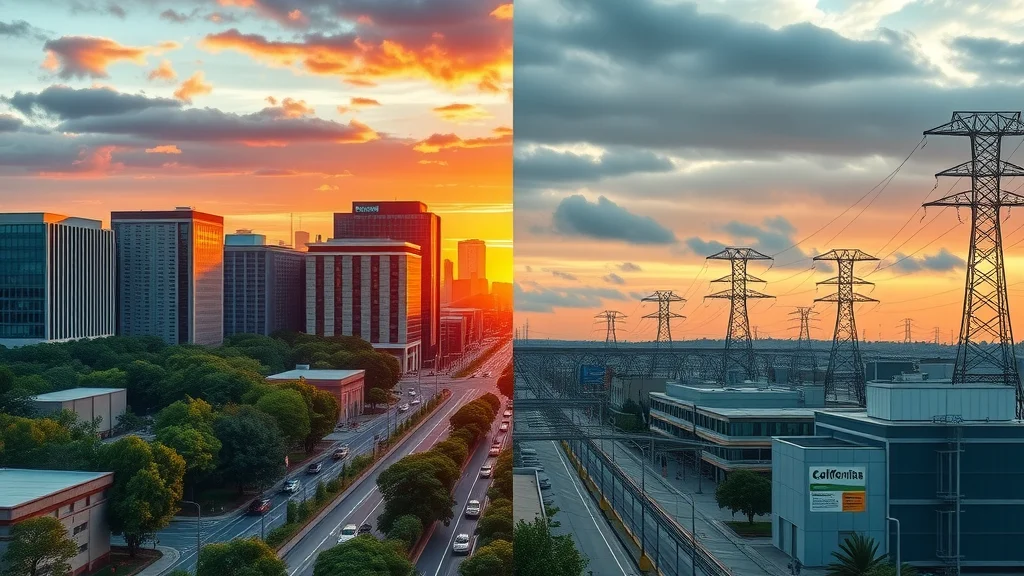
Surprising Underdogs: Unexpected Leaders in Data Centers
Beyond the major players, a handful of states are emerging as dark horse leaders in the AI data center race across 50 states. States like Nebraska, Iowa, and Oregon have successfully used low energy costs, proactive regulatory frameworks, and incentives to attract billion-dollar data center projects from big tech and cloud providers. Their smaller populations, abundance of renewable energy, and forward-thinking economic policies have allowed them to leapfrog traditional tech strongholds—proving that in the race for digital dominance, agility and policy innovation matter as much as legacy and size.
These “underdog” states also highlight the importance of local leadership in shaping the economic fate of entire regions, as rural communities hope to harness AI-powered growth as a permanent engine of opportunity and renewal.
Critical Challenges for the AI Data Center Race Across 50 States
Rising Energy Costs and Sustainability Concerns
The single greatest challenge facing the AI data center race across 50 states is energy—both its cost and sustainability. As demand for AI workloads grows, so does the size of each facility’s carbon footprint. Many states—especially those reliant on fossil fuel-based grids—are being pushed to find renewable sources in order to offset emissions from new center construction. Investor and consumer pressure alike are forcing tech companies to commit to ambitious green energy goals.
In several regions, the costs of meeting peak demand already threaten to outpace the financial returns from tax incentives and public investments. The coming years will test whether America can build sustainable, prosperous AI infrastructure without sacrificing environmental stewardship or driving up the national electricity bill.
Infrastructure Limitations: Can Grids Keep Up?
Blazing growth in AI data centers strains not only energy production but the physical backbone of America’s power grid. To feed new clusters, many states are making historic investments in substations, transmission lines, and smart grid technologies. But construction timelines, regulatory approvals, and community opposition often slow progress—and major blackouts or brownouts risk souring public opinion on unchecked data center expansion.
This infrastructure crunch has triggered heated debates among policymakers, utility executives, and residents. Can America modernize fast enough to support endless digital growth? Or will grid capacity become the limiting factor that caps further expansion, especially in already-strained metro areas?
Environmental Impact: Greening the AI Data Center Race
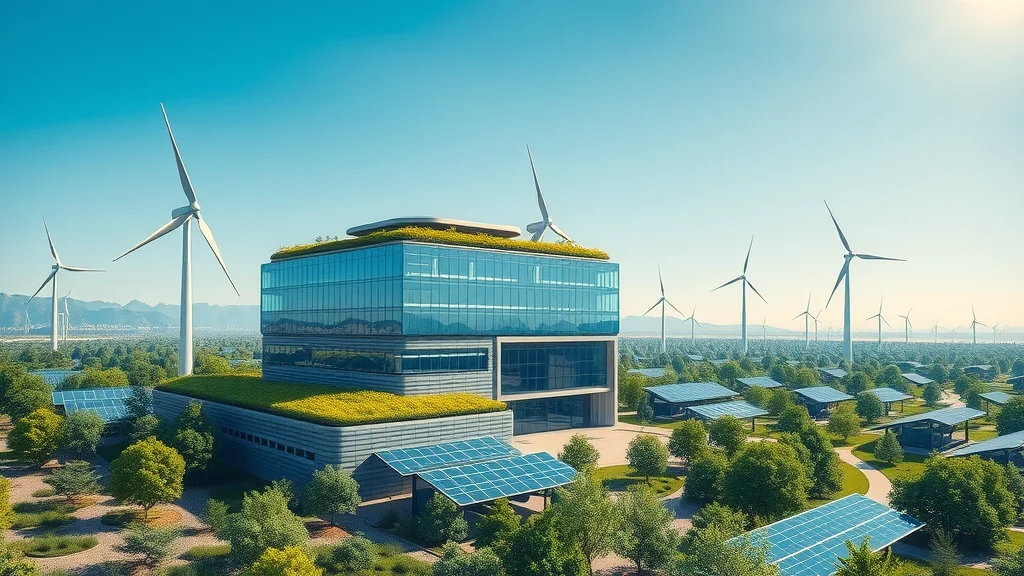
The environmental toll of rapid data center scaling cannot be ignored. Cooling massive warehouses stuffed with high-performance computers requires billions of gallons of water and energy every year. Without aggressive shifts toward renewable energy—wind, solar, hydropower, and battery storage—emissions from center clusters could threaten hard-won climate progress.
Innovators in states like Oregon and Iowa are showing what’s possible, pioneering ultra-efficient designs that run on 100% renewables and recycle waste heat to nearby communities. Yet the pace of sustainable implementation varies widely, and many policymakers argue that more regulation (or creative incentives) may be needed to ensure that economic growth does not outstrip environmental responsibility.
Opportunities: The AI Data Center Race Across 50 States as an Engine of Innovation
Job Creation and Economic Uplift
Direct employment in data centers: Engineers, technicians, operations staff, and security
Support industries and the local economy: Construction, transport, real estate, and services
While challenges loom, the upside of the AI data center race across 50 states is hard to overstate. Beyond the headlines, thousands of new permanent jobs have appeared in states both large and small. Each facility supports an ecosystem of businesses, from construction and logistics to maintenance and hospitality. Tax revenues fund public infrastructure, and in many communities, these projects have spurred a resurgence in housing, education, and broadband investments.
For states that plan carefully and foster strong public-private partnerships, the data center race can be the catalyst for a new era of economic growth and technological resilience.

Pushing the Boundaries of Artificial Intelligence
Finally, the AI data center race across 50 states is about the frontiers of possibility. Every leap in compute capacity enables more sophisticated research, medical breakthroughs, climate modeling, and innovation in sectors from manufacturing to creative arts. America’s lead in AI infrastructure reinforces its global standing—but only if sustainability, community benefit, and responsible regulation move forward together.
In sum: The AI data center boom is the engine powering tomorrow’s digital breakthroughs. Its success—and the success of America’s towns and cities—hinges on how the next decade of this race is managed.
The Future of the AI Data Center Race Across 50 States: My Opinion
Is the National Pursuit Sustainable?
From my perspective, the national pursuit of AI data center expansion offers a unique chance for inclusive economic growth and technological advancement—but only if sustainability is placed front and center. The risk of unchecked grid stress, environmental impact, and rising energy costs could erode the trust and benefits for local populations.
If America is to maintain its leadership, industry and government must work hand in hand to balance innovation with foresight—investing in renewables, modernizing the grid, and ensuring every region shares in the rewards.
Potential Policy Interventions and the Need for Regulation
As lawmakers across party lines debate topics from tax breaks to permitting reform and utility rate controls, the need for adaptable, forward-thinking policy has never been greater. Smart federal and state regulations can ensure equitable growth, guard against environmental backsliding, and protect both rural and urban communities from the volatility of unchecked expansion.
Policies should incentivize sustainable practices—not just more megawatts. This might mean mandating renewable energy minimums for new centers, standardizing water conservation, or coordinating investments to strengthen grid resilience across state lines.
Where Will the AI Data Center Race Across 50 States Lead Next?
The coming years will see continued jockeying for leadership among states, tech giants further integrating with regional development plans, and a sharp focus on innovation in sustainability and infrastructure.
"The outcome of this race will shape not only our digital capabilities, but also the physical and economic footprint of America for decades to come. " If managed well, the AI data center race could cement the United States as both a digital superpower and a global model for balancing innovation with responsibility.
Overview video detailing how AI data centers are transforming technology, energy use, and economies across the U. S.
People Also Ask: AI Data Center Race Across 50 States
What is driving the growth of AI data centers in the U.S.?
The main catalyst is the explosion of artificial intelligence applications and digital services, which require ever-greater compute power and storage. Tech companies, eager to expand their AI capabilities and web services, are building next-gen data centers across all 50 states. State-level tax incentives, cheaper land, and access to renewable energy have further sparked this boom.
How does the AI data center race affect electricity bills and energy supplies?
AI data centers are enormous energy consumers—often as much as small cities. This increased burden can strain local grids and drive up electricity prices, potentially impacting consumer electricity bills and regional utility rates. In response, utilities and governments are investing in infrastructure updates and promoting renewable energy to stabilize costs and supply.
Which U.S. states are leading in AI data center investments?
States like Virginia, Texas, Georgia, and Arizona top the list for explosive growth due to favorable regulations, ample power, and targeted incentives. Meanwhile, California and New York, despite their tech heritage, face unique challenges in infrastructure and policy, while Midwest states like Iowa and Nebraska are quietly emerging as important new hubs.
What are the environmental impacts of the AI data center race across 50 states?
AI data centers can consume vast amounts of power and water, leading to carbon emissions and resource concerns. However, many facilities are adopting 100% renewable energy, advanced cooling, and recycled water systems to minimize their environmental impact. The transition to greener practices is becoming both a market imperative and a public expectation.
How are tech companies adapting their strategies to win the AI data center race?
Big tech firms are focusing on energy efficiency, signing long-term renewable power deals, innovating with AI-driven operations, and collaborating closely with local governments to secure favorable conditions. Many have also established sustainability targets and are investing heavily in research to reduce both operational costs and environmental footprints.
Will regulations change the trajectory of the AI data center race across 50 states?
Absolutely. Local and federal regulations—covering everything from energy sourcing to construction permits and water use—impact where, how fast, and how sustainably new data centers are built. As sustainability and grid stability become national priorities, regulations will play an increasingly central role in shaping the next phase of this race.
What long-term opportunities does the AI data center race bring to local economies?
Beyond direct employment, AI data centers drive economic growth by increasing demand for skilled trades, boosting real estate values, and spurring investment in modern infrastructure. In rural and underdeveloped regions, data center projects can be a springboard for revitalization, technology adoption, and long-term prosperity.
Answer: What is driving the growth of AI data centers in the U.S.?
The rapid growth of AI data centers is driven by the surging demand for artificial intelligence capabilities, cloud computing, and big data analytics. Companies are racing to develop and deploy more powerful models and digital services, necessitating specialized, high-capacity data centers. States compete for these projects using tax incentives, lower land costs, and access to renewable energy, further fueling expansion.
Answer: How does the AI data center race affect electricity bills and energy supplies?
The AI data center race increases overall energy consumption, placing additional pressure on state and local electricity supplies. In high-density data center regions, infrastructure upgrades become necessary to meet new demands, and utility rates may rise as a result. This can lead to higher electricity bills for residents while also prompting investments in grid modernization and clean energy.
Answer: Which U.S. states are leading in AI data center investments?
Virginia, Texas, Georgia, and Arizona are leaders due to favorable regulatory environments, affordable energy, and aggressive investment in digital infrastructure. States such as Iowa and Nebraska have become surprise contenders by offering streamlined permitting, ample renewable resources, and competitive incentives to tech companies.
Answer: What are the environmental impacts of the AI data center race across 50 states?
Environmental impacts include higher water and energy usage, increased carbon emissions, and localized effects on air and water resources. However, many tech companies and communities are responding with commitments to 100% renewable energy, advanced cooling methods, and waste heat recycling—making sustainability integral to new projects.
Answer: How are tech companies adapting their strategies to win the AI data center race?
Tech companies are investing in advanced AI-driven efficiency, renewable energy partnerships, and innovative construction techniques to maximize output while minimizing environmental and operational costs. Collaboration with state and local governments ensures smoother permitting and infrastructure deals, helping companies stay competitive in a shifting landscape.
Answer: Will regulations change the trajectory of the AI data center race across 50 states?
Yes, regulations greatly influence the pace and direction of data center expansion. Policymakers are increasingly focused on sustainability, energy efficiency, and equitable economic impact. Changes to tax codes, zoning laws, or resource requirements can either accelerate or hinder future data center construction.
Answer: What long-term opportunities does the AI data center race bring to local economies?
Long-term opportunities include the creation of stable, high-wage jobs, increased property tax revenues, improved broadband and utility infrastructure, and a boost to local businesses. For many regions, especially rural states, participation in the AI data center economy can mean revitalized communities and sustained economic growth.
Key Takeaways From the AI Data Center Race Across 50 States
AI data centers are expanding rapidly across all 50 states, reshaping the digital and physical landscape
Electricity prices, energy infrastructure, and sustainability emerge as critical flashpoints
Tech companies are competing at an unprecedented scale to lead the AI data center race
Winners, losers, and unexpected players highlight the complexity and stakes of this race
FAQs on the AI Data Center Race Across 50 States
How much energy do AI data centers use in the U.S. today?
It’s estimated that AI data centers account for roughly 4% of the nation’s electricity demand, a figure rising annually as new data centers come online.Are data centers contributing to faster technological development in rural states?
Yes, by locating facilities in rural states, data centers boost tech sector growth, workforce development, and digital infrastructure, accelerating local innovation.What incentives are states using to attract AI data center investment?
Most states offer a mix of tax incentives, property tax abatements, expedited permitting, and access to low-cost or renewable energy to attract new data center projects.Will renewable energy adoption keep up with AI data center growth?
It’s a major challenge, but most new data center projects include substantial renewable energy commitments, and several states are rapidly expanding wind and solar capacity.
Final Thoughts: Navigating the Future of the AI Data Center Race Across 50 States
The AI data center race across 50 states is one of America’s most consequential technological and economic movements—poised to redefine our nation’s future if guided by smart, sustainable decisions.
Interested in renewable energy solutions for your business or AI data center? Check Out the Reach Solar Review: https://reachsolar.com/seamandan/#about
Sources
Utility Dive – https://www.utilitydive.com/news/virginia-data-center-moratorium/645197/
The New York Times – https://www.nytimes.com/2023/12/10/technology/ai-data-center-power.html
Axios – https://www.axios.com/2024/03/01/data-center-boom-power-grid-energy-ai
-
Reach Solar – https://reachsolar.com/seamandan/#about
Ready to Take the Next Step?
Ready to be part of the solution?
Ready to Make a Change? Check Out the Reach Solar Review: https://reachsolar.com/seamandan/#about

Buy Your New Home With Zero Down Reach Solar Solution: https://reachsolar. com/seamandan/zero-down-homes
The rapid expansion of AI data centers across the United States is reshaping the technological and economic landscape. For instance, OpenAI, Oracle, and SoftBank have announced five new data center sites under the Stargate project, aiming to add nearly 7 gigawatts of AI infrastructure across states like Texas, New Mexico, and Ohio. (ainews. com) Similarly, Meta is investing $600 billion into U. S. data centers to bolster AI growth and job creation, with new projects planned in Idaho, Texas, and Alabama. (techrepublic. com) These developments highlight the significant investments being made to support the burgeoning AI industry nationwide.






Write A Comment