

Unraveling the Quantum Computing Landscape
The latest study by EigenOrbit introduces a game-changing library for the quantum computing ecosystem, named eigenkit. As quantum technology rapidly evolves, it's crucial for developers and researchers to have tools that allow them to run quantum algorithms seamlessly across various simulators and hardware platforms. This is the crux of EigenOrbit’s research, designed to tackle the complexities of quantum computing’s fragmented landscape.
The Challenge of Finding the Right Backend
EigenOrbit’s meticulous evaluation spanned 12 different execution providers, including powerful quantum processors like IBM’s Heron and IQM’s Emerald. Surprisingly, the findings indicated that no single backend excels universally across all workloads. Performance metrics fluctuate greatly depending on multiple factors such as circuit size and structure. For instance, a simulator showing exceptional results for one type of algorithm may struggle with another, highlighting the need for a flexible and adaptable approach to quantum programming.
The Role of Topology in Performance
Perhaps one of the most eye-opening findings of the study is how the physical layout of a quantum circuit can significantly impact performance on actual quantum hardware. The researchers discovered that the relationship between an algorithm and the hardware's topology is crucial. A processor’s physical connectivity may align more effectively with certain circuits than others, demanding a thoughtful consideration of both algorithm and hardware capabilities when executing quantum tasks.
Eigenkit: A New Standard for Quantum Programming
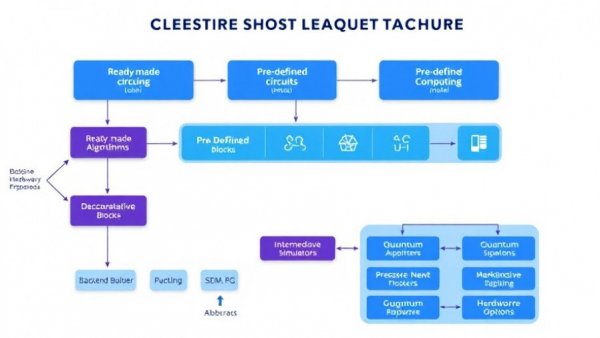
Eigenkit serves as a provider-neutral framework that allows developers to work with quantum circuits independently of the backends they intend to use. By allowing the same circuit to be executed across various platforms through a unified interface, the library diminishes the segmentations currently visible in the quantum software ecosystem. With support for eight simulators and four hardware routes, developers can now transition smoothly between different execution environments, retaining consistent circuit definitions and workflows.
The Broader Impacts of Backend Portability
The implications of adopting a provider-neutral approach are profound. As the quantum computing field continues to grow, understanding how to efficiently transition workloads between different execution environments can dramatically enhance computational efficiency. This not only streamlines research and development but empowers developers to leverage the unique advantages of multiple quantum platforms.
Integrating with Existing Toolkits
Eigenkit is built with practicality in mind, focusing on integration with popular scientific computing and machine-learning libraries like NumPy, PyTorch, and scikit-learn. This compatibility ensures that quantum machine learning workflows can be undertaken without heavy lifting or re-explanation of processes, thus promoting wider adoption of quantum algorithms in diverse applications, from optimization scenarios to chemistry simulations.
The Future of Quantum Computing Adaptability
The EigenOrbit study is a clarion call for the quantum community, emphasizing that current methodologies must adapt as technologies evolve. By facilitating an understanding of backend differences and the performance traits of various execution providers, eigenkit allows researchers and developers to anticipate and evaluate technological requirements better. This foresight can lead to enhanced solutions in quantum computing, effectively bridging the gap between theoretical advancements and practical implementations.
Conclusion: Embracing the Quantum Shift
As the quantum computing landscape continues to progress, tools like eigenkit will be paramount in navigating the complexity of various execution environments. The ability to evaluate and implement workloads across diverse backends can shape the future of quantum algorithms and their practicality in real-world applications. For enthusiasts and professionals alike, keeping abreast of these developments is not just beneficial; it is essential to maintain a competitive edge in the rapidly evolving technology sector.







Write A Comment