

Did you know that data centers consume nearly 1% of all electricity generated globally? Yet, with greater efficiency just a few steps away, millions are left on the table every year. For organizations of all sizes, data center energy efficiency is not just a technical challenge—it’s a direct path to substantial cost savings and a competitive edge. This article arms you with proven tips, surprising facts, and expert-backed strategies to boost your bottom line through smarter data center energy management. Whether you run a single server closet or a sprawling hyperscale facility, your energy use decisions can have dramatic financial and environmental impacts. Read on to transform inefficiency into an asset that powers stronger profits and a greener future.
A Surprising Truth: The Growing Cost of Data Center Energy Efficiency
As technology advances and the digital world expands, the hidden costs tied to data center energy efficiency have quietly soared. Today’s data centers, from cloud giants to local business IT rooms, must handle everything from artificial intelligence workloads to secure cloud storage for billions of users. With this explosion comes a new reality: energy costs now account for a historically high proportion of total data center operating expenses. Cooling, power conversion, and underutilized equipment can represent 40-60% of monthly expenses—making energy efficiency a priority for both CFOs and sustainability officers.
Failing to address inefficiencies directly affects your financial bottom line. In late 2023 alone, companies investing in targeted efficiency upgrades saw annual energy savings of up to 30%, thanks to smarter cooling systems, virtualization, and modern monitoring tools. It’s not just about being “green”—it’s about staying profitable in a world where energy pricing and climate regulations are changing fast. Unlocking the secrets to data center energy efficiency is no longer optional; it’s an operational imperative that can separate thriving companies from those left behind.
Startling Statistics: How Much Energy Do Data Centers Really Consume?
Consider this: the world’s data centers already use more electricity than most countries, a number expected to grow rapidly with the rise of generative AI and global digitalization. According to official sources, data centers currently account for 1–1. 5% of total worldwide electricity usage. That translates to hundreds of terawatt-hours—roughly the power consumption of a medium-sized developed nation! In the United States alone, the estimated yearly energy bill for all data centers tops $20 billion, according to recent reports from the U. S. Department of Energy and environmental agencies.
Yet, despite these staggering figures, the United States and global tech leaders are starting to reverse the trend. Innovative energy efficiency initiatives, such as advanced cooling systems, cloud computing, and hardware consolidation, are enabling reductions in per-unit power usage. The key: adopting and enforcing the right efficiency metrics—like Power Usage Effectiveness (PUE)—and making real operational changes, from server placement to renewable energy sourcing. Understanding exactly where energy goes in your data center is the crucial first step toward healthier margins and a more sustainable digital economy.
"Data centers account for nearly 1% of global electricity demand, yet most organizations overlook operational inefficiencies." – Industry Analyst
What You’ll Learn About Data Center Energy Efficiency
- The real-world impact of improved data center energy efficiency
- Proven energy efficiency strategies
- How to benchmark your data center energy consumption
- Actionable tips for immediate savings
- How efficiency benefits business and the environment
Understanding Data Center Energy Efficiency Fundamentals
Defining Data Center Energy Efficiency
Data center energy efficiency means using less power to achieve the same—or better—operational results. It’s about maximizing what your IT hardware delivers, while minimizing wasted electricity in cooling, power conversion, and idle systems. At its core, it measures how effectively your data center converts incoming electricity into productive computing work, as captured by trusted metrics like PUE (Power Usage Effectiveness).
Efficient data centers go beyond simply running “green” hardware. True center energy efficiency encompasses smart cooling design, optimal server and workload placement, virtualization, and monitoring to quickly spot issues. Modern best practices focus on aligning business needs with energy management: ensuring uptime, data security, and performance, while continually driving down both kilowatt-hours and costs. From the cloud to edge computing, success stories show that even minor configuration changes can return major savings—without sacrificing service quality.

Why Data Center Power and Energy Efficiency Matters for Your Bottom Line
Every watt saved in your data center translates directly to corporate cost reductions. According to U. S. government websites, a typical U. S. enterprise data center spends up to 50% of its total utility bill on cooling and power losses—not the IT itself! This means overlooked inefficiencies are silent profit drainers. When your business adopts genuine center energy efficiency strategies—like updating obsolete HVAC units, optimizing airflow, or consolidating underutilized servers—those savings hit your financial results almost immediately.
The evidence is clear: companies who proactively tackle data center energy efficiency enjoy faster payback periods, improved reputation, and even better uptime due to streamlined operations. The environmental benefits follow too. Efficient data centers cut greenhouse gas emissions and lessen strain on local grids—“doing well by doing good. ” In a world driven by ESG goals and digital demands, the most successful businesses view power management as both an economic and ethical responsibility.
"Reducing data center power consumption is not just good for the planet—it's great for your profit margins." – Data Center Specialist
| Metric | Definition | Best Practice Value | Business Impact |
|---|---|---|---|
| Total Power Consumption | Total watts used by a data center, including IT and facility systems | Minimize through optimization | Reduces utility costs |
| Power Usage Effectiveness (PUE) | Ratio of total facility energy to IT equipment energy | < 1.5 (excellent); 2.0 or higher (needs improvement) | Direct indicator of operational efficiency |
| Cooling System Efficiency | Energy used by HVAC vs. IT load | Optimized via advanced controls/containment | Frees up more energy for computing |
| Energy Consumption per Compute Output | Power used per workload or transaction | Steadily declining via virtualization, cloud | Drives both savings and scalability |
Key Components of Data Center Energy Efficiency
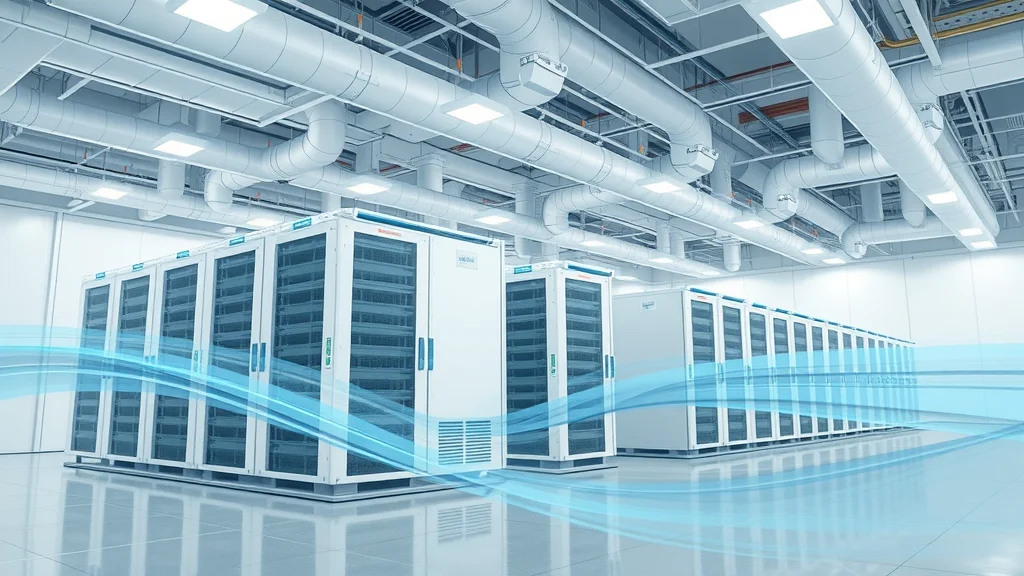
How Cooling Systems Impact Data Center Efficiency
It’s no exaggeration: your data center’s cooling system is often the single largest determinant of overall data center energy efficiency. Older units may waste up to half their consumed energy, while modern, optimized cooling designs slash that figure dramatically. Strategic changes—like switching to variable speed fans, liquid cooling, or hot/cold aisle containment—return measurable savings each month. Even newer cloud computing facilities still dedicate a big slice of total energy to cooling, making efficiency here universally important.
Facility layout and equipment placement are crucial. Packing servers too tightly or failing to direct cool air only where needed drives up costs and risks hot spots, threatening uptime. Forward-thinking centers now monitor real-time temperatures, airflow, and humidity, adjusting dynamically to operational changes. These steps not only reduce costs but also lengthen hardware lifespan and improve reliability, creating a positive feedback loop: the cooler and more efficiently you run, the less you’ll spend on replacements and emergency repairs.
The Role of Power Usage Effectiveness (PUE) in Data Center Energy Efficiency
PUE (Power Usage Effectiveness) is the gold standard metric for measuring data center energy efficiency. It’s calculated by dividing total facility power consumed by power delivered to IT equipment; a lower score signals an efficient operation. Major tech leaders have slashed PUE from an average of over 2. 0 a decade ago to below 1. 5 in many new builds. This progress is not accidental—it’s the result of systematic upgrades to power distribution systems, cooling, and continuous monitoring.
To boost your own PUE, focus on these core strategies: Optimized server placement Upgraded electrical distribution Efficient cooling system design Renewable energy sourcing Cloud computing synergies By benchmarking performance and acting on data, even small data center operators can achieve double-digit improvements in energy efficiency—and rapidly see those gains reflected on the bottom line.
Power Usage: The Hidden Costs Inside Data Centers
Identifying Major Energy Consumption Areas
When it comes to data center power, focusing solely on servers misses much of the picture. Studies of modern data centers reveal that ancillary “support” infrastructure—power distribution units, chillers, air handlers, lighting, and even legacy equipment—can easily consume up to 50% of a facility’s total energy. The most wasteful offenders? Outdated UPS systems, leaky ductwork, and over-provisioned redundancy. Identifying and optimizing these areas is one of the fastest ways to boost center efficiency without major hardware investments.
Comprehensive audits and granular energy monitoring uncover where electricity drains away, sometimes quite literally. Smart meters and software can pinpoint underutilized hardware, detect airflow problems, and assist with scheduled maintenance. Whether you’re supporting legacy systems or deploying the latest cloud platforms, never overlook how much the “invisible” infrastructure undermines your operation’s energy efficiency—and how quickly targeted improvements here pay for themselves.
"It's not just the IT load—inefficiencies come from power supply, cooling, and underutilized hardware." — Operations Engineer
Benchmarking and Center Energy Efficiency Metrics
Achieving top-tier data center efficiency starts with careful benchmarking. The most successful operators use performance metrics like PUE, DCiE (Data Center Infrastructure Efficiency), and real-time energy consumption tracking to set baselines, target improvements, and monitor progress. Many facilities are eligible for government incentives, especially when they can prove continuous improvement in efficiency metrics.
Benchmarking isn’t just about bragging rights—it enables leaders to prioritize investments, justify upgrades, and publicly report sustainability gains, all while saving real money. For smaller facilities, even basic power monitoring reveals surprising opportunities for quick wins, such as consolidating workloads onto fewer, newer servers or adjusting temperature set points. The lesson is clear: measure first, then optimize—because if you can’t track it, you can’t improve it.
Actionable Tips to Boost Data Center Energy Efficiency in 2024
Modern Cooling System Upgrades for Greater Data Center Energy Efficiency
In 2024, no data center can ignore its cooling system’s impact on both costs and environmental footprint. The latest solutions—liquid cooling, smart airflow management, and adaptive controls—are setting new standards for center energy efficiency. Retrofitting just one cooling subsystem can deliver a 10-20% drop in total energy use, especially in older facilities. Today’s successful energy managers rely on predictive maintenance software, improved insulation, and strategic zone controls to squeeze every kilowatt-hour from their infrastructure.
Don't overlook low-cost options: simple steps like cleaning filters frequently, sealing raised floors, and introducing hot/cold aisle containment can generate outsized returns. The most efficient data centers layer in modern sensors to adapt cooling in real time, preventing waste while maximizing IT equipment lifespan. Paired with efficiency metrics like PUE, these upgrades quickly become must-do projects—both for your budget and your ESG scorecard.
Steps to Improve Center Energy Efficiency Through Infrastructure and Operations
Improving center energy efficiency is a multi-faceted effort that blends technology, process, and organizational willpower. Begin with a thorough energy audit, using energy management software and consultant advice if necessary. From there, prioritize:
- Implement hot/cold aisle containment to prevent air mixing
- Schedule regular maintenance reviews on HVAC and power equipment
- Consolidate and virtualize servers to cut down idle power draw
- Leverage the latest data center energy management software for continuous monitoring
Don't forget your staff: regular training ensures everyone, from IT to facilities, buys into efficiency goals. Finally, evaluate cloud computing partnerships, which can deliver “built-in” energy savings by shifting workloads to hyperscaler platforms with industry-leading efficiency metrics. Every step you take builds towards a more resilient, affordable, and sustainable digital footprint.
Watch real-time footage of cutting-edge data centers deploying latest energy efficiency upgrades—from advanced cooling technologies to dynamic virtualized workloads. See how leading facilities are building performance and sustainability into every operational layer.
People Also Ask: Energy Efficiency in Data Centers
How energy efficient are data centers?
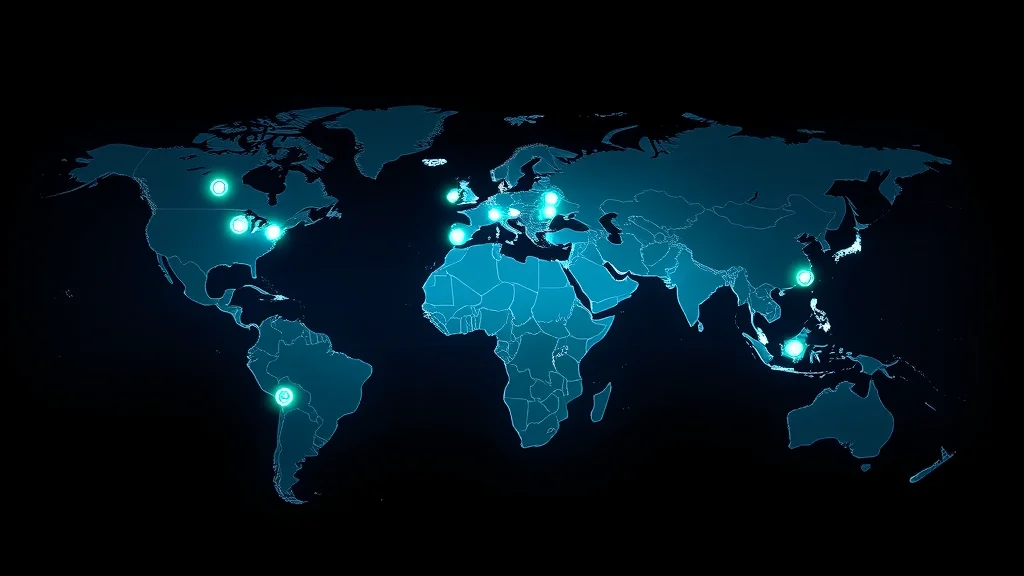
Data centers have made significant strides in energy efficiency, with many achieving PUE ratings below 1. 5, meaning they use energy more effectively. Modern data centers leverage advanced cooling, virtualization, and cloud computing for greater energy savings.
Are data centers using too much electricity?
Data centers are among the largest electricity consumers worldwide. However, best practices are helping reduce overall energy waste, making modern data centers more efficient than ever before.
What percent of energy do data centers use?
According to the International Energy Agency, data centers account for roughly 1–1. 5% of global electricity usage, underscoring the importance of ongoing energy efficiency improvements.
Do data centers contribute to global warming?
Data centers can contribute to global warming if powered by fossil fuels. Shifting to renewable energy sources and improving energy efficiency are key to minimizing their carbon footprint.
Join a leading energy consultant as they discuss practical steps and real-world stories from the frontlines of data center efficiency. Packed with tips for operations teams, executives, and anyone looking to boost their organization’s efficiency profile.
Data Center Energy Efficiency: Frequently Asked Questions
- What is PUE, and why is it important? PUE (Power Usage Effectiveness) measures data center energy efficiency by comparing total facility energy to IT equipment energy. Lower PUE means less wasted energy on cooling, lighting, and infrastructure—translating to greater operational cost savings.
- How do I start measuring my data center energy consumption? Begin with smart meters and dedicated power monitoring tools to track electricity used per zone or device. Consult with hardware/software vendors for integrated energy analytics.
- Are there government incentives for data center energy efficiency upgrades? Yes—numerous government and energy provider programs offer tax incentives or rebates for energy efficiency projects. Check official websites for region-specific details.
- How can smaller data centers achieve similar results? Implement affordable solutions like rack airflow management, virtualization, and diligent operational monitoring. Small changes deliver big savings, especially when paired with cloud computing partnerships.

Key Takeaways to Maximize Data Center Energy Efficiency Savings
- Data center energy efficiency directly influences operational costs
- Cooling system upgrades deliver rapid payback
- Regular monitoring prevents efficiency loss
- Integrating renewables and cloud computing amplifies energy savings
Final Thoughts: Elevate Your Business through Smarter Data Center Energy Efficiency Practices
"Energy efficiency isn’t just a technical goal—it's a business imperative for future-ready data centers." – Technology Columnist
By prioritizing smarter data center energy efficiency, you can dramatically cut costs, improve uptime, and align your operations with a rapidly evolving digital and environmental landscape. Now is the time to act and realize your facility’s true energy-saving potential.
Ready to Revolutionize Your Savings? Check Out the Reach Solar Review: https://reachsolar.com/seamandan/#about
Buy Your New Home With Zero Down Reach Solar Solution: https://reachsolar. com/seamandan/zero-down-homes
Sources
- U.S. Dept. of Energy and Lawrence Berkeley Lab – Data Center Energy Usage Report
- International Energy Agency – Data Centres and Data Transmission Networks
- ENERGY STAR Official Website – Data Center Equipment
- EPA Official Website – Sustainable Data Centers
To further enhance your understanding of data center energy efficiency, consider exploring the following authoritative resources: The U. S. Department of Energy’s “Energy Efficiency in Data Centers” page offers comprehensive guidance on improving data center energy performance, including best practices and design strategies. (energy. gov) The ENERGY STAR program provides resources tailored for data centers, focusing on energy-saving opportunities and efficiency improvements. (energystar. gov) These resources offer valuable insights and practical strategies to optimize your data center’s energy usage, leading to cost savings and enhanced sustainability.






Write A Comment